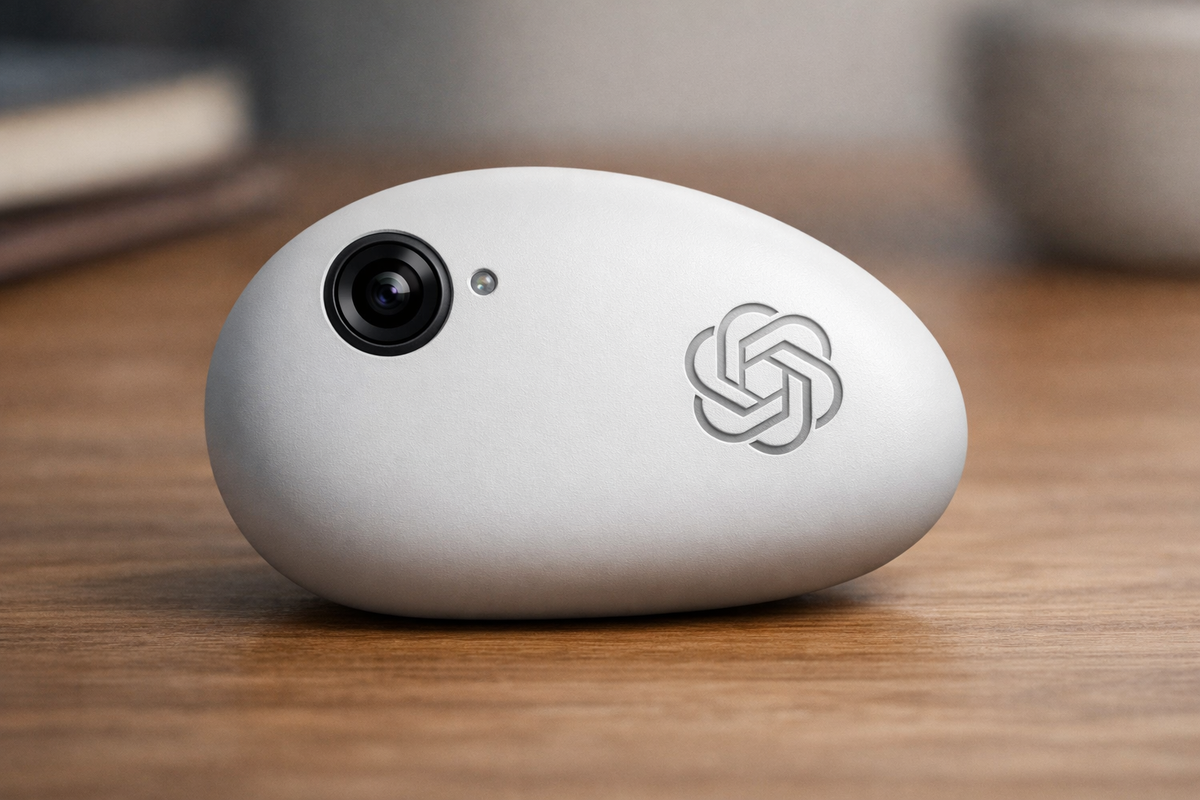
OpenAI is building a smart‑speaker device (reportedly the first release) with voice and camera inputs, a device team of over 200 people and an expected retail price of $200–$300; features may include visual recognition for shopping and Face ID‑style purchases. Reports linking Amazon to a potential ~$50 billion funding round for OpenAI and the prospect of custom models for Amazon products create both partnership and competitive dynamics with Amazon, Apple and Google that could reshape home AI, retail funnels and raise material privacy and regulatory considerations.
Market structure: The emergence of an OpenAI-branded smart speaker (price band $200–$300) reallocates pricing power toward premium device makers (AAPL-style margins) and firms that control commerce flows (AMZN) or large ad ecosystems (GOOGL/META). Winners are likely premium hardware (AAPL) and cloud/AI stack providers (NVIDIA/large clouds) that supply compute and vision stacks; losers include low-margin, commodity smart-speaker makers and ad-reliant platforms if attention fragments. A $200–300 device implies unit economics that support higher R&D/recurring services spend and will push demand for camera modules, DSPs and cloud inference, tightening that part of the supply chain over 6–18 months.
Risk assessment: Key tail risks are regulatory (EU/US privacy and antitrust action against deep Amazon–OpenAI ties), operational (camera/privacy backlash) and product flop; any one could halve adoption forecasts within 12 months. Immediate market reaction (days) will be rumor-driven volatility; short-term (months) depends on Spring 2026 launches from Apple/Google; long-term (1–3 years) is about ecosystem lock-in and commerce monetization. Hidden dependencies: OpenAI devices need partner retail channels, cloud credits, and GPU supply (NVIDIA), creating single-point risks; catalysts include formal Amazon investment announcements, Apple HomePad launch, and regulatory filings.
Trade implications: Tactical ideas: play premium hardware upside into Apple/Google launches and semiconductors exposure to camera/AI (buy AAPL call spreads 3–6 months into expected HomePad window; buy NVDA/SEMIS through ETFs for 6–18 months). Hedge platform risk by shorting ad-levered META (buy 3–6 month puts) and consider a pair trade long AMZN (retail/fulfillment optionality) vs short GOOG ad-sensitivity if OpenAI enables shopping outside search. Options: favor defined-risk call spreads on AAPL/AMZN ahead of product or partnership windows and protective collars on existing ad-platform longs.
Contrarian angles: Consensus assumes an OpenAI device will quickly dethrone Echo; that underestimates distribution inertia, privacy friction and Amazon’s low-cost device moat. Historically ecosystem winners (Apple iPhone) required multi-year lock-in—expect similar multi-quarter user-acquisition costs and delayed monetization; short-term optimism is likely overstated. Watch for regulatory pushback and slow retail conversion; these are primary sources of mispricing in AMZN/AAPL option volatility and in META downside risk.
AI-powered research, real-time alerts, and portfolio analytics for institutional investors.
Request DemoOverall Sentiment
mildly positive
Sentiment Score
0.30
Ticker Sentiment
