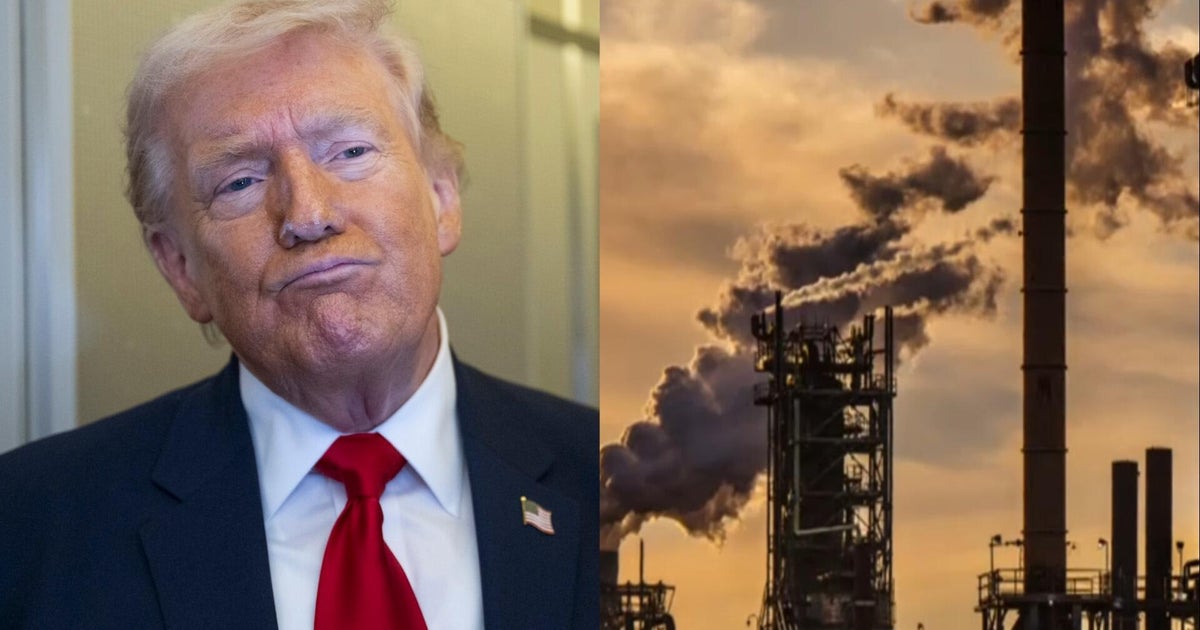
President Trump ordered a release of 172 million barrels from the U.S. Strategic Petroleum Reserve to be distributed over 120 days; Brent crude is trading around $108/bbl (up ~48% since the war began) and U.S. gasoline averages near $4/gal. Analysts say Gulf output cuts of roughly 10 million b/d and about 20% of global supply effectively offline mean SPR drawdowns (physically constrained to ~1–1.4M b/d) and measures like a 60‑day Jones Act waiver and temporary Russian-oil waivers will blunt further spikes but are unlikely to materially lower prices in the short term. Additional moves under consideration (unsanctioning Iranian barrels, allowing E15 in summer months, state gas tax suspensions) could provide limited relief, while reopening the Strait of Hormuz would produce the most immediate and significant price and liquidity improvements.
Policy moves to shave pump prices are structurally marginal because they address distributional and regulatory frictions rather than the underlying choke point driving the global risk premium. The market is therefore bifurcated: near-term liquidity and logistics can be nudged by administrative waivers, but price formation remains dominated by freight and geopolitical risk premia that reprice quickly when shipping confidence changes.
Second-order winners are firms exposed to ethanol processing and floating storage/trading — they capture immediate spreads from blending-rule changes and sanction waivers; losers include specialized domestic coastal shippers and some refinery configurations that are heavy on gasoline yield if higher-ethanol blends take share. Trading desks and container/tanker owners gain optionality from floating inventories and varying flag access, creating transient arbitrage opportunities across coasts and between product and crude curves.
Timing is everything: days–weeks trades should focus on logistics/contango dynamics and option premium collapse if shipping confidence improves, while months–quarters positioning should assume either persistent risk premia (prolonged closure) or a sharp unwind if the choke point reopens. Tail risks — escalation that further degrades maritime corridors or retaliatory sanctions — would re-elevate front-month premia and punish short-front exposures.
Market structure favors directional calendar/curve trades and volatility-selling funded by hard hedges; being long pure crude producers is asymmetric only if prices stay elevated for quarters, whereas event-driven, relative-value plays (shipping, ethanol processors, short-dated volatility) offer cleaner risk/reward tied to identifiable catalysts.
AI-powered research, real-time alerts, and portfolio analytics for institutional investors.
Request DemoOverall Sentiment
mixed
Sentiment Score
-0.05
