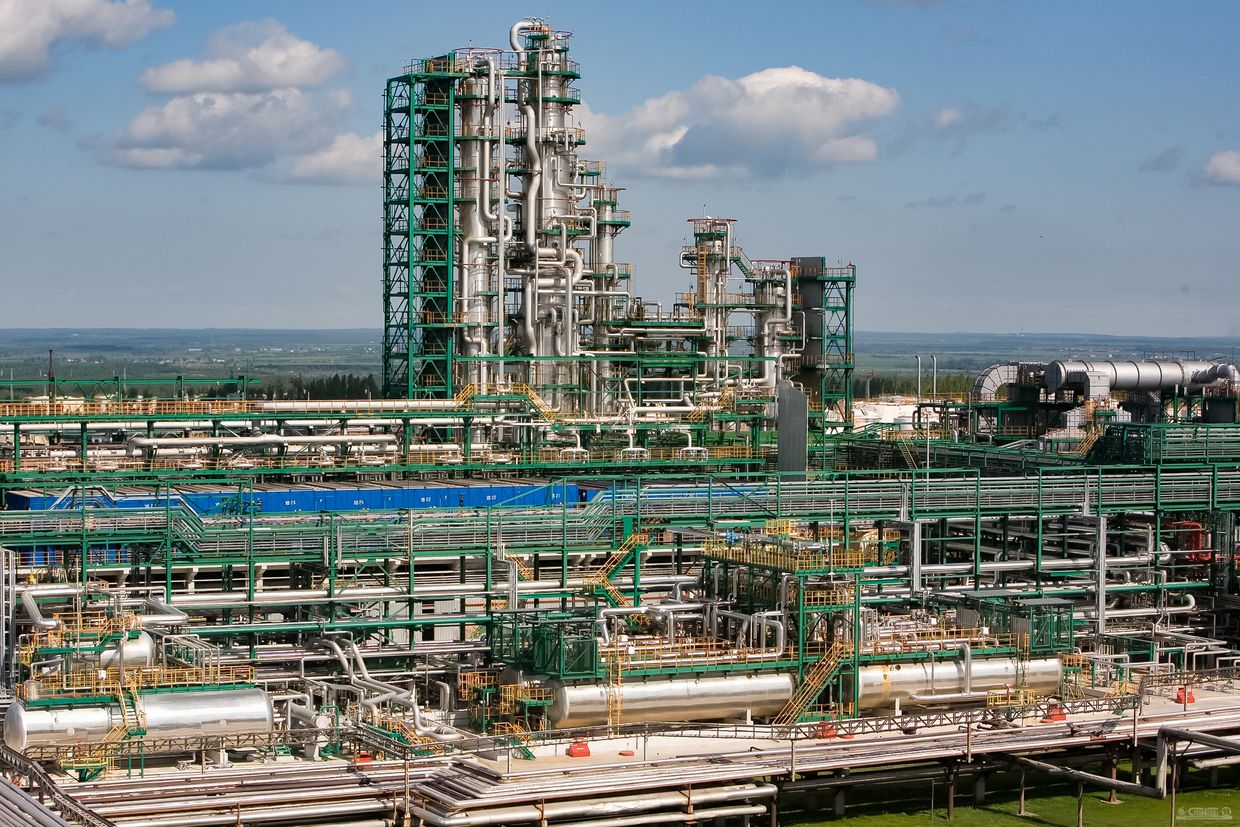
Ukraine confirmed coordinated drone strikes on strategic Russian energy and military infrastructure, including the Yaroslavl Oil Refinery, a drone storage site in Rostov-on-Don, and multiple air defense and communications assets in occupied territories. The Yaroslavl facility processes roughly 15 million tons of oil products annually, while the Rostov attack triggered temporary restrictions at 13 southern Russian airports and more than 80 flight delays or cancellations affecting at least 14,000 passengers. The strikes highlight continued disruption risk to Russian fuel supply, military logistics, and regional air transport.
The first-order market impact is not the fire itself but the widening of Russia’s internal logistics premium. Repeated hits on refining, fuel depots, and air-defense nodes force a more expensive distribution network: more rail, more truckage, longer routing, and higher inventory buffers. That tends to lift delivered fuel costs in the south and occupied territories before it shows up in headline crude benchmarks, creating a lagged squeeze on transport, agriculture, and military logistics rather than an immediate global oil shock.
The more investable signal is airspace disruption. Temporary airport restrictions and schedule chaos in the south translate into a direct revenue hit for domestic carriers, but the second-order effect is worse: tourism and consumer mobility get repriced for weeks after a visible security event, especially around holiday periods. That makes this a clean negative catalyst for Russian travel, airport, and regional consumer names, while also favoring Western aviation and defense suppliers via a stronger narrative for persistent drone-defense demand.
For energy, this is mildly bullish for refined products, not necessarily crude. A refinery outage in a high-yield, middle-distillate-heavy system tightens diesel and jet fuel balances faster than it tightens Brent, so the relative trade is long products versus upstream crude. The contrarian point is that markets often overestimate the global oil implication of Russian domestic infrastructure strikes; unless outages persist or spread to export-linked assets, the bigger medium-term effect is a Russian margin/compression story, not a worldwide supply shock.
Risk is escalation and duration. If these strikes continue over several weeks and force sustained capacity loss or export rerouting, the market could begin pricing a real product shortage into European distillates and aviation fuel within one to two months. But if repair crews restore operations quickly, the trade should fade fast, because the global crude balance remains governed by OPEC+, US shale, and sanctions enforcement rather than isolated tactical damage.
AI-powered research, real-time alerts, and portfolio analytics for institutional investors.
Request DemoOverall Sentiment
moderately negative
Sentiment Score
-0.45
