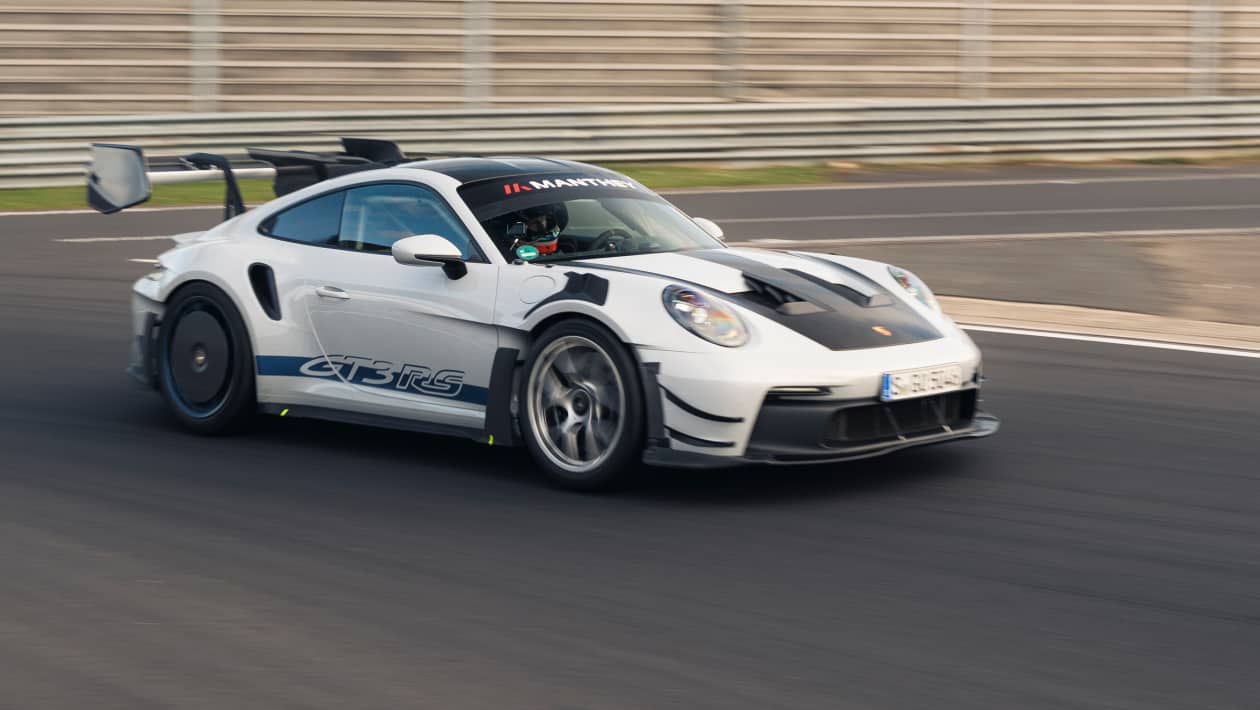
Porsche's Manthey Racing GT3 RS set an official Nürburgring lap time of 6:45.389, beating the Corvette ZR1X's 6:49.275 by 3.8 seconds despite using a 518bhp naturally aspirated 4.0-liter flat-six. The result highlights the effectiveness of aero and chassis upgrades rather than raw power, and puts the road-legal GT3 RS within a few seconds of the even more powerful Mustang GTD Competition's 6:40.835. The news is positive for Porsche's performance image but is unlikely to have a material market impact.
This is a marketing and halo event, not a direct earnings event, but it matters because it sharpens the hierarchy inside performance-car branding: chassis, aero, tire, and driver development are now outperforming brute-force power as the more defensible moat. The second-order implication is that ultra-high-output launch narratives are increasingly vulnerable if they don’t translate into repeatable lap-time credibility, which can pressure premium pricing discipline for low-volume halo products across the sector.
The real winners are the firms that monetize software-like iteration in hardware: Porsche’s motorsport-adjacent ecosystem, tire suppliers that can extract incremental grip without full redesigns, and track-focused aftermarket/parts channels. The loser is the “spec-sheet arms race” model, where adding horsepower has diminishing returns on-road and on-track; that makes heavy, overpowered halo cars more exposed to being dismissed by enthusiasts and media if they can’t beat lighter, better-developed rivals.
From an investment lens, the catalyst horizon is months, not days: this can influence order books, optionability of special editions, and residual values for limited-run performance vehicles. The risk to the thesis is a broader demand slowdown in luxury autos, because brand heat doesn’t offset financing stress or recessionary pullback; if consumer confidence weakens, halo enthusiasm won’t translate into incremental unit volume. The contrarian read is that the market may be overestimating how much these lap-time headlines move actual P&L—scarcity and allocation matter more than press coverage.
The cleaner trade is relative quality inside premium performance: companies with strong brand equity and low-volume, high-margin personalization should outperform mass-luxury peers if enthusiasts continue rewarding engineering credibility over horsepower. A secondary angle is parts and tire exposure, where track-capable OEM programs tend to support premium tire mix and higher-margin accessory attach rates even without broad unit growth.
AI-powered research, real-time alerts, and portfolio analytics for institutional investors.
Request TrialOverall Sentiment
mildly positive
Sentiment Score
0.35
