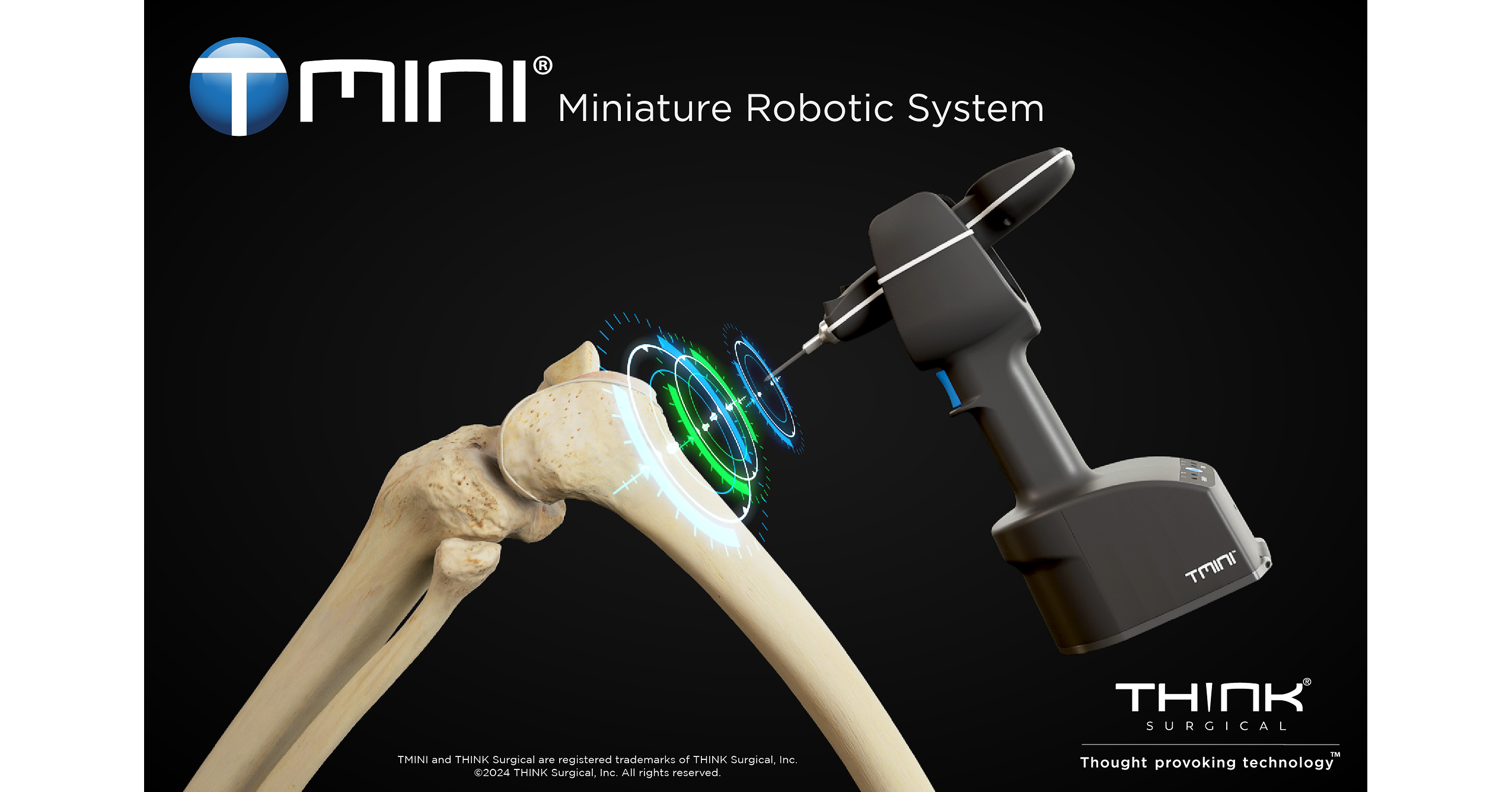
THINK Surgical secured up to $65M in growth capital via a debt facility with Symbiotic Capital, including a $25M initial tranche plus $15M tied to milestones and up to $25M discretionary. Management says the package, alongside additional investments, is expected to fully finance the company to profitability while funding expansion of its TMINI® mini robotic system strategy. The availability of new funding modestly reduces financing risk and supports continued commercialization of an orthopedic robotics platform.
This reads more like a runway-extension signal than a hard commercial validation. In private medtech, debt financing usually tells you management wants to bridge to the next proof point without giving away equity; the market implication is that the company can keep spending on placements, but not that utilization or reimbursement have already inflected. The real read-through is that lenders saw enough asset quality and milestone visibility to underwrite growth, which reduces near-term solvency risk but does not remove execution risk.
The competitive angle is more interesting than the financing itself. An open-platform orthopedic robot that can sit across a broad implant base threatens the closed-ecosystem model used by incumbent robot vendors and, more importantly, weakens implant OEM lock-in on surgeon workflows. That is a medium-term margin issue for incumbents tied to bundled hardware, service, and implant pull-through, with the greatest vulnerability in names where robotics is still a share-capture story rather than a mature installed-base annuity.
The market is likely to over-read this as a category-positive event; the contrarian take is that debt-funded growth can also mean the company is still too early to self-fund and must hit milestones quickly or face a reset. Watch 1-3 month data for case volume, new account adds, and any commentary from SYK/ZBH/JNJ on pricing or competitive displacement; that is where the signal will show up. Over 6-18 months, the key falsifier is continued funding needs without visible procedure acceleration, which would turn this from a growth narrative into a capital structure problem.
AI-powered research, real-time alerts, and portfolio analytics for institutional investors.
Request TrialOverall Sentiment
mildly positive
Sentiment Score
0.25
