

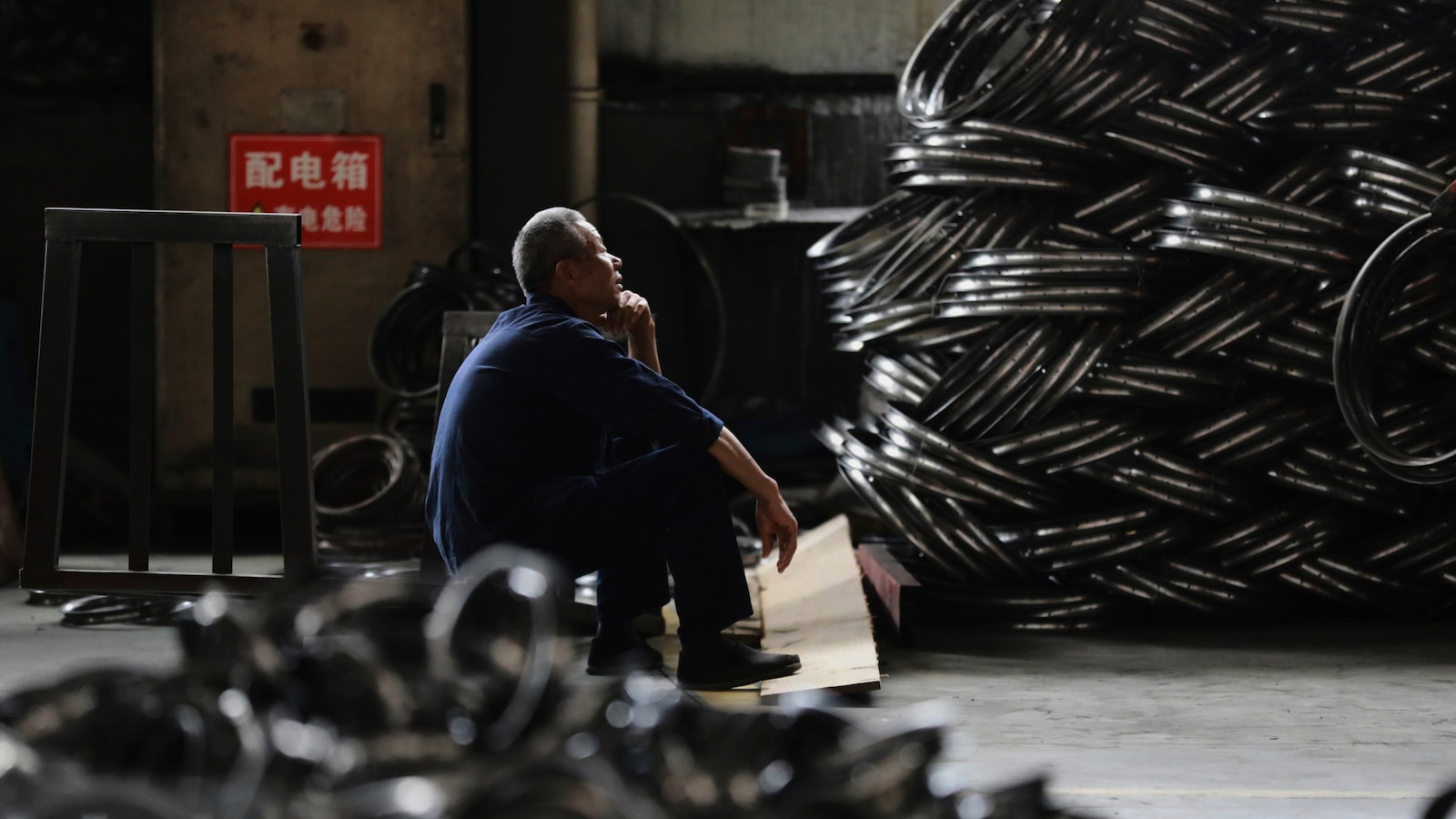
China's official manufacturing PMI slipped to 50.0 in May from 50.3 in April, with new orders falling to 49.9 and raw material stockpiles to 48.6, signaling a stall in factory momentum. The article points to sluggish domestic demand from the property slump, even as exports remain resilient and China appears relatively insulated from the Iran war's energy shock. The read-through is mildly negative for China growth expectations, but not an immediate market-moving shock.
The key market implication is not the modest PMI print itself, but the divergence it reinforces: China’s external manufacturing complex is still functioning, while domestic cyclicals are not. That favors exporters with offshore demand exposure and penalizes levered domestic recovery trades, especially suppliers tied to property, construction, and household discretionary spend where margin compression can persist for quarters rather than weeks.
Energy shock risk is more nuanced than a simple China growth headwind. China’s relative insulation from oil supply disruptions means it can preserve industrial activity better than peers, which is mildly bearish for global inflation but supportive for Chinese export share capture versus Europe and parts of Asia facing more acute input-cost pressure. The second-order effect is that China may actually gain competitiveness if a sustained oil spike forces competitors to curtail output or pass through price hikes faster.
For markets, the near-term catalyst set is concentrated in policy and trade rather than macro data. Any incremental U.S.-China trade thaw would matter more for industrial volumes than the PMI, but the real swing factor is whether higher energy prices start to dent global final demand over the next 1-3 months. If that happens, the current resilience in China’s manufacturing could become a lagging indicator, with earnings downgrades in exporters arriving after inventory restocking rolls over.
AI-powered research, real-time alerts, and portfolio analytics for institutional investors.
Overall Sentiment
mildly negative
Sentiment Score
-0.20
Ticker Sentiment
