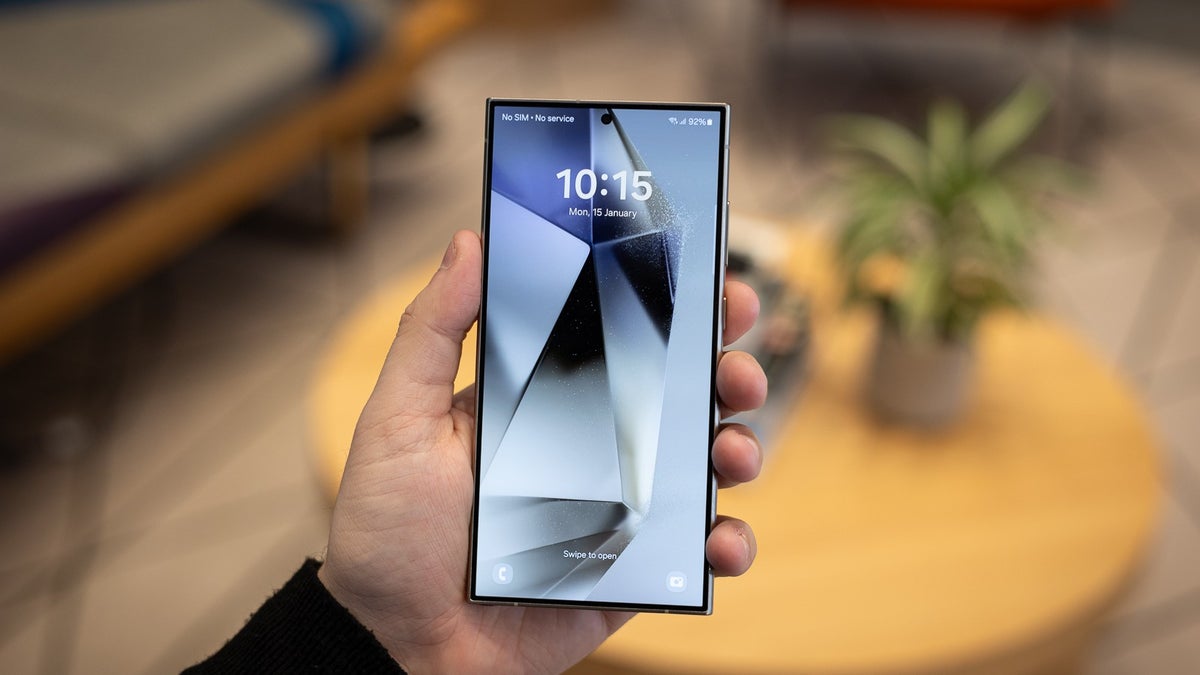
One UI 8.5 Beta builds for the Galaxy S24 were spotted on Samsung’s test servers on March 19, 2026 (builds S928NKSU5ZZCB / S928NOKR5ZZCB / S928NKSU5DZCB), and Fan Edition models appear included (S25 FE: S731NKSU5ZZCB; S24 FE: S721NKSUAZZCB). The leak implies an imminent rollout for S24-series devices but highlights Samsung’s staggered update prioritization, which may mildly dent user sentiment and loyalty; material impact on Samsung’s stock or revenues is likely negligible.
The immediate market takeaway — frustration over update sequencing — masks where economic pain actually lands: resale/trade-in economics and carrier promotion elasticity. A perception that flagship users are deprioritized can shave single-digit percentage points from trade-in realizations and shorten upgrade intent windows among the most valuable cohorts; that feeds directly into carrier subsidy/financing economics and could compress ARPU uplift from new-device promotions over the next 2-4 quarters.
On the supply chain side, software timing rarely kills hardware revenue in the short run because production and BOM commitments are set months in advance. The lever that moves margins sooner is a strategic tilt toward Fan Edition volume over full-premium models: if Samsung nudges mix toward lower-ASP FE units to appease the install-base, expect downward pressure on component content per device (camera modules, higher-margin custom silicon runs) and a 1-3% revenue share shift to contract manufacturers and low-cost suppliers within one quarter.
Key catalysts and risks are near-term and binary: an official beta roll-out or public incentives (carrier trade-in boosts, extended warranties) can neutralize sentiment in days-to-weeks; conversely, vocal user churn to alternative premium ecosystems or regulatory scrutiny on software commitments can crystallize over 3-12 months. Tail risk also includes accelerated competitor share gains in premium segments if Samsung’s perceived product support deficit becomes a marketing wedge.
Contrarian read: the market may be overestimating long-term damage. Software cadence influences net promoter score but not the deeper structural moats — hardware scale, distribution, and component integration — which support mid-single-digit operating leverage. If Samsung responds with temporary incentives rather than structural change, the sentiment hit should be transient and create a tactical buying opportunity rather than a secular problem.
AI-powered research, real-time alerts, and portfolio analytics for institutional investors.
Request DemoOverall Sentiment
mildly negative
Sentiment Score
-0.15
