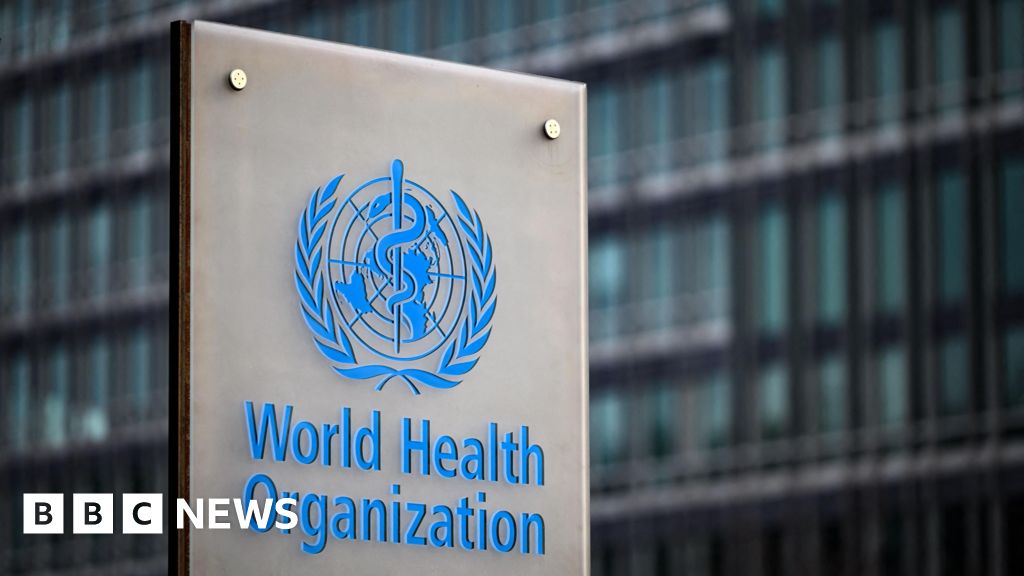
The United States has formally withdrawn from the World Health Organization, terminating all US funding, recalling personnel and suspending engagements after citing alleged mishandling of the COVID pandemic; Washington has not paid assessed fees for 2024–25 and WHO arrears are estimated at roughly $260m. The US refusal to join an international pandemic treaty and the severing of direct multilateral ties has already contributed to substantial job losses at WHO and creates near‑term uncertainty for global disease surveillance, vaccine information‑sharing and donor‑funded health programs — a development that could disrupt funding flows and operations for organizations and companies active in global public‑health delivery.
Market structure: The immediate winners are private lab suppliers, contract research organizations and large vaccine/diagnostics manufacturers who can replace multilateral procurement (beneficiaries include Thermo Fisher, Danaher, IQVIA); losers are multilateral health programs, countries reliant on WHO-coordinated supply chains and travel/tourism sectors. US funding gap (~$260m arrears cited) is small relative to global health budgets but concentrated withdrawal forces bilateral contracting, improving pricing power and order visibility for large-cap suppliers over smaller NGOs.
Risk assessment: Tail risks include a localized outbreak undetected due to weaker surveillance triggering a 5-10% drawdown in travel/consumer cyclical equities and a safe-haven rally in Treasuries; probability low-medium but impact high. Immediate (days) volatility and funding headlines dominate; short-term (3–12 months) program disruptions (vaccine strain selection, polio campaigns); long-term (1–3 years) fragmentation raises structural counterparty and data-sharing risk across global health markets.
Trade implications: Expect relative outperformance of lab/biotech infrastructure vs travel and EM health-exposed names; FX flows likely to favor USD and core sovereign bonds as risk-off hedges. Volatility will spike around legislative moves or WHO legal actions, offering options-rich hedging opportunities and short-duration Treasury shorts/longs depending on risk sentiment.
Contrarian angles: Consensus frames this as pure geopolitical downside but understates private-sector procurement upside and domestic contractors’ backlog growth, which can sustain revenues for 6–12 months. The market may overprice permanent decoupling—Congress or a future administration could restore funding within 60–180 days, producing sharp reversals in both defense/health suppliers and travel names.
AI-powered research, real-time alerts, and portfolio analytics for institutional investors.
Request DemoOverall Sentiment
moderately negative
Sentiment Score
-0.40
