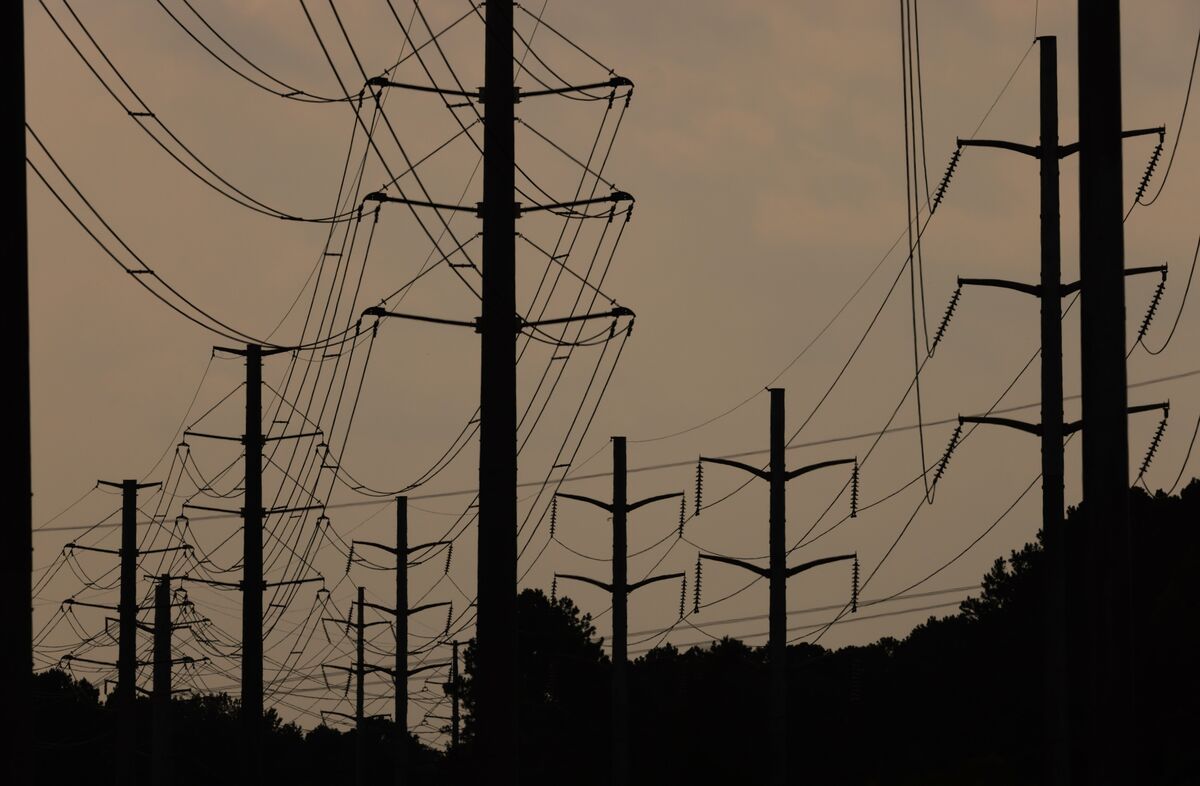
Electricity prices and load growth have risen since the pandemic, driven in part by demand rebound and the prospect of large AI datacenters drawing on the grid, prompting concerns about how to connect new loads and fund grid upgrades. Travis Kavulla, VP of regulatory affairs at NRG and former Montana PSC commissioner, notes the transition from a long period of flat demand and retirement of dirtier generation to a higher-demand environment that raises regulatory, investment and retail-bill risks for utilities and policymakers.
Market structure: Rising power prices and renewed load growth (driven by AI datacenters plus post‑pandemic industrial demand) directly benefit merchant generators, capacity-market participants and grid-scale storage providers; regulated utilities with allowed-rate base recovery gain pricing power in rate cases. Data‑center owners and power‑intensive industrials are losers as OPEX rises; expect a 5–20% increase in peak wholesale prices in stressed regions within 12–24 months absent new capacity. Competitive dynamics will favor firms that control dispatchable capacity (gas peakers, dual‑fuel plants, batteries) and transmission owners able to relieve congestion, shifting margin share away from pure-play intermittent renewables without storage.
Risk assessment: Tail risks include aggressive regulatory responses (state rate caps, FERC interventions) or a sudden AI spending pullback; either could compress merchant generator cashflows by >30% in 6–12 months. Short horizon (days–weeks): volatility around weather and gas price moves; medium (3–12 months): rate cases and capacity auctions; long (1–3 years): capital deployment in transmission/storage and retirement timelines for thermal plants. Hidden dependencies: natural gas prices, LNG exports and pipeline bottlenecks drive wholesale power costs; interconnection backlogs and permitting delays amplify shortages. Key catalysts: FERC orders, seasonal peaks (next winter/summer), and hyperscaler announcement cadence—monitor within 30–90 days.
Trade implications: Tactical longs: merchant generators and storage developers; tactical shorts: data‑center REITs and hyperscaler operators with fixed‑price contracts and no power procurement hedges. Options: use 6–12 month call spreads on NRG/NEE to capture re‑rating while limiting cost; consider buying short‑dated strangles on power producers around extreme weather windows. Sector rotation: shift 3–8% from pure renewables/tech names into midstream/generation and transmission infra through year‑end to reflect rising capacity value and higher realized power prices.
Contrarian angles: Market consensus pins blame on datacenters; undervalued are transmission builders and capacity market beneficiaries—these can re-rate 15–40% if capacity shortages materialize. Reaction could be underdone: policymakers may accelerate investment programs (granting multi‑year rate recovery) which benefits regulated utilities and infra owners disproportionately. Historical parallel: 2000s US capacity crises led to long multi‑year returns for dispatchable assets and regulated network owners; similar plays could work now but watch for regulatory clampdowns as the main downside.
AI-powered research, real-time alerts, and portfolio analytics for institutional investors.
Request DemoOverall Sentiment
mildly negative
Sentiment Score
-0.30
Ticker Sentiment
