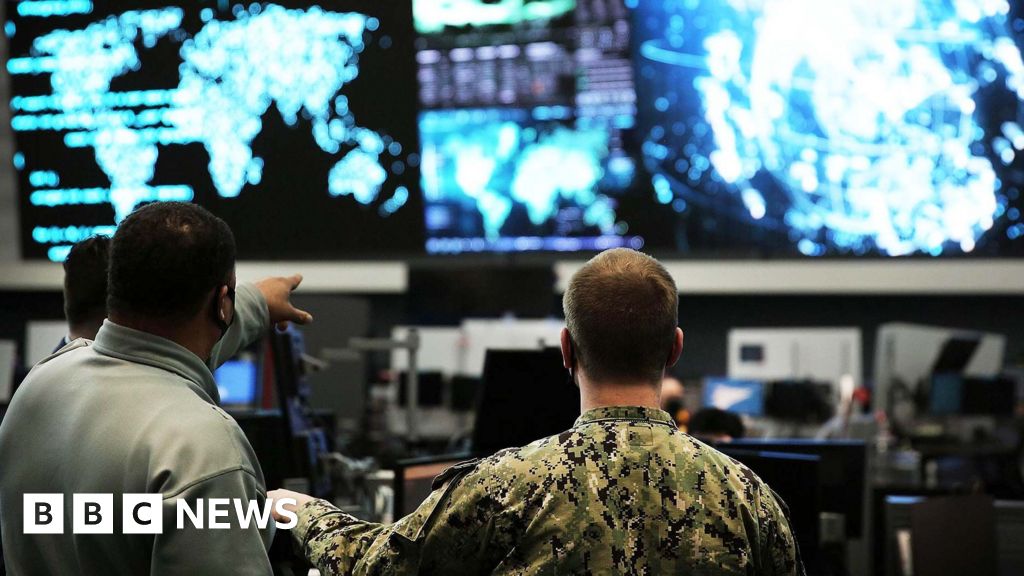
Alleged Iran-linked group Handala reportedly deployed a wiper attack against US medical-tech firm Stryker; the company says it is working to end disruption and that products remain safe. US and Israeli cyber-operations appear to have pre-positioned access into Iranian networks (CCTV, comms, air-defence) and are being used as force multipliers alongside kinetic strikes, with AI and OSINT likely aiding targeting. Iran's visible cyber retaliation has been limited so far, creating ambiguity about whether Iran has been degraded or overestimated, but risk of further hacktivist or state-linked reprisals remains. Implication: elevated sector risk for healthcare, defense and critical infrastructure providers — monitor Stryker updates, supplier contagion, and any escalation in cyber activity.
The conflict is accelerating a structural reallocation of defense spend from kinetic platforms to cyber, AI-enabled ISR, and managed detection services. Expect enterprise security budgets to reprice upward by 10–25% over 12–24 months as boards and insurers force remediation of medical-device and operational-technology exposures; that reprice is more persistent than a short-term surge in weapons procurement.
Second-order winners will not be the headline integrators alone but niche providers: satellite/imagery analytics (real‑time OSINT fused with machine learning), zero‑trust cloud security, and cyber insurance underwriting platforms — these capture recurring ARR and higher gross margins versus one‑off consulting. Conversely, exposed healthcare OEMs and SMB-dependent managed-service providers face outsized reputational and regulatory risk that can compress multiples by 15–30% if breaches cascade into patient-safety or product‑liability claims.
Tail risk centers on asymmetric escalation and hacktivist spillover: a single successful wiper on a major supply‑chain node (OEM, EMS, or cloud provider) could create multi-week operational outages, pushing public-sector emergency procurement and accelerated regulation within 30–90 days. The most likely market reversals are either (a) a rapid normalization where few material outages occur and cyber spending reverts, or (b) a sustained policy response (sanctions, mandatory OT standards) that enshrines long‑term revenue for certain vendors — watch legislative signals and major insurer rate filings as 1–6 month catalysts.
AI-powered research, real-time alerts, and portfolio analytics for institutional investors.
Request DemoOverall Sentiment
neutral
Sentiment Score
0.00
Ticker Sentiment
