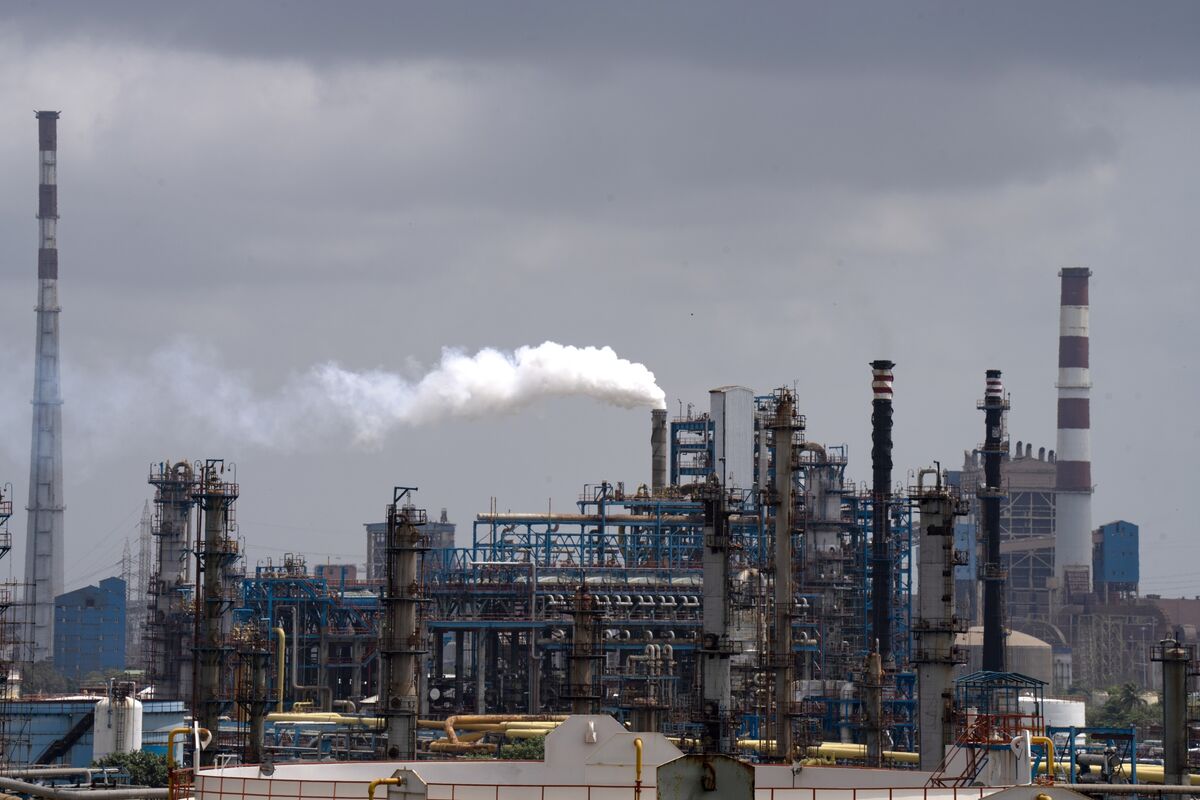
Following new US sanctions, Russian crude is being offered to India at a deep discount, prompting potential increased purchases by Indian refiners. The shift risks rerouting seaborne flows, putting downward pressure on global oil benchmarks while creating geopolitical and compliance risks for market participants and effectively lowering input costs for India’s fuel industry.
Market structure: Indian refiners and tanker owners gain immediate margin tailwind and optionality — a sustained Urals-to-Brent discount of $8–15/bbl can lift complex-refinery gross margins by ~5–12% and increase petrochemical feedstock affordability for 3–12 months. US shale and Brent-linked producers lose pricing power as seaborne flows reroute; shorter-cycle producers with >50% oil exposure are most vulnerable to a 5–15% revenue hit if benchmarks trade down.
Risk assessment: Primary tail risks are rapid sanctions escalation or formal secondary-sanctions guidance within 7–30 days, and a sudden insurance/financing cutoff for tankers which would choke flows and flip the trade from bear-BRENT to short-physical-disruption (price spike). Hidden dependencies include freight/insurance capacity, Indian refinery utilization (threshold ~85%), and FX/payment mechanisms; any one failing can materially alter outcomes within weeks. Key catalysts: OFAC guidance, OPEC+ production tweaks, weekly SPR/API inventory surprises >10m bbl.
Trade implications: Favor relative-value exposure to downstream/Asian refining over upstream commodity beta. Use long positions in large, complex Indian refiners and short US E&Ps/energy ETFs via options to control risk; target 3–12 month windows and exit if Brent–Urals spread narrows to < $8 for two consecutive weeks or if WTI strengthens above $85 for 4 weeks.
Contrarian view: Consensus underprices logistical frictions — tankers, insurance and India’s domestic/political limits likely cap volumes to a few hundred kbpd increments, not full reallocation. Historical parallels (post-2014) show discounts can persist but not fully displace benchmark dynamics; avoid naked macro short on Brent — prefer paired, conditional trades and volatility-defined option structures.
AI-powered research, real-time alerts, and portfolio analytics for institutional investors.
Overall Sentiment
mildly negative
Sentiment Score
-0.25
