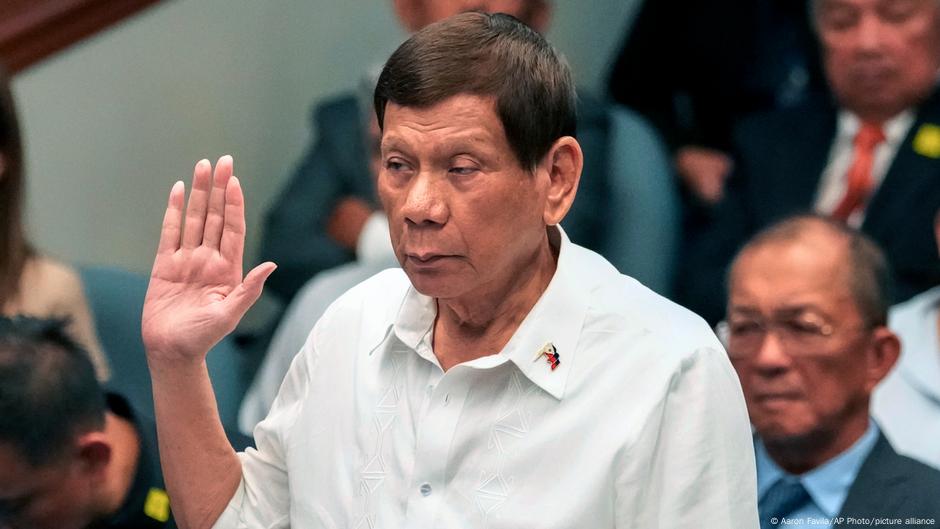
The ICC confirmed that former Philippine President Rodrigo Duterte can stand trial on crimes-against-humanity charges tied to the anti-drug crackdown, with the court finding substantial grounds to proceed. The case centers on allegations of dozens of murders and a policy to "neutralize" alleged criminals, with trial timing still undecided. The article is primarily a legal and political development with limited direct market impact.
This is less a market event than a governance shock that raises the odds of policy paralysis in Manila over the next 3-12 months. The immediate second-order effect is not broad macro volatility, but a higher probability that political capital gets absorbed by legal defense, coalition management, and succession positioning, which tends to freeze reform agendas and delay capital-allocation decisions. That is negative for domestic cyclicals that depend on predictable permitting, infrastructure execution, and state-led spending cadence.
The bigger investable angle is that the case re-prices Philippines country risk at the margin, especially for sectors exposed to regulatory discretion: banks, telcos, utilities, and infrastructure concessions. Even if the legal process is slow, the headline cycle can widen sovereign and quasi-sovereign spreads, pressure the peso, and reduce inbound portfolio appetite for 1-2 quarters. Foreign investors typically do not need conviction on the verdict to de-risk; they only need uncertainty around institutional continuity.
The contrarian view is that the market may overestimate systemic contagion. A prosecution of a former leader can also strengthen institutional credibility if the process is orderly, which is ultimately supportive for long-horizon FDI. That means any selloff in locally listed names may be shallow unless it coincides with a broader EM risk-off or a domestic policy fight that impairs fiscal delivery.
Best risk/reward is in relative value rather than outright country shorts: the event could compress the valuation discount on firms with hard currency revenues and low policy sensitivity versus domestic demand plays. If there is an initial knee-jerk risk-off move, it is more likely to persist in the 1-3 month window than become a secular rerating catalyst unless the case triggers escalation in domestic unrest or a material shift in the 2028 succession landscape.
AI-powered research, real-time alerts, and portfolio analytics for institutional investors.
Request DemoOverall Sentiment
mildly negative
Sentiment Score
-0.20
