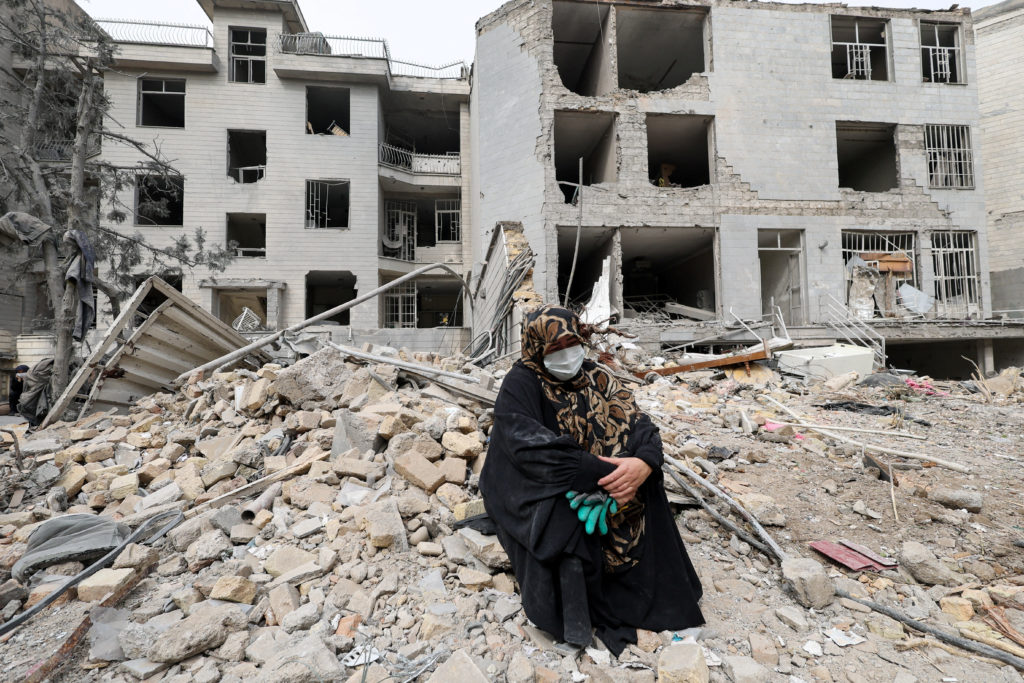
Oil futures topped $100/barrel, roughly a 40% rise from pre-war levels, after Iran's new supreme leader Mojtaba Khamenei vowed continued retaliation and threatened to keep leveraging a Strait of Hormuz blockade. Iranian strikes have damaged and abandoned tankers, forced Iraqi Basra oil terminals to shut, burned regional energy infrastructure, and coincided with Hezbollah firing >200 missiles; the U.S. plans to release 172 million barrels from strategic reserves and the UN estimates up to 3.2 million displaced. This represents a market-wide geopolitical shock that elevates the risk of sustained supply disruption, driving higher commodity prices and broader risk-off positioning across markets.
A Strait-of-Hormuz–style chokepoint shock is more a shipping & logistics shock than an immediate permanent hydrocarbon loss: rerouting and insurance spikes effectively remove floating and on-route capacity, compressing deliverable crude by an order of magnitude equivalent to ~1-3 mb/d for weeks. That effective supply hit is front-loaded — physical tightness and spot backwardation will show up in freight and insurance rates first, then in cash crude, then in product markets, so expect a tiered pricing response across assets and tenors.
Tanker equities and charter rates are the fastest levered instruments to that type of dislocation; balance sheets with low capex commitments and limited newbuild delivery schedules will capture outsized cashflow upside in the near term. Conversely, refiners with limited crude-slate flexibility and airlines/transport names will see margin compression and demand sensitivity kicked earlier and more persistently.
Macro reversals are straightforward to enumerate and short-dated: coordinated SPR/strategic releases or a credible diplomatic de-escalation can erase the premium within 2–8 weeks, while structural demand destruction from sustained higher transport costs will take quarters to materialize. Tail escalation (expanded blockades, broader regional ground operations) pushes the horizon from weeks to years and materially changes risk premia across commodities, credit spreads, and EM FX.
The consensus is pricing the current shock as persistent; the second-order trade is timing mean reversion in freight and insurance markets rather than crude outright. That creates asymmetric option-style payoff opportunities: own convex exposure to freight and upstream cashflow upside while buying short protection on the demand-sensitive bucket (airlines, regional transport) and using calendar/volatility structures to monetize the probable 2–8 week path to any negotiated relief.
AI-powered research, real-time alerts, and portfolio analytics for institutional investors.
Request DemoOverall Sentiment
strongly negative
Sentiment Score
-0.75
