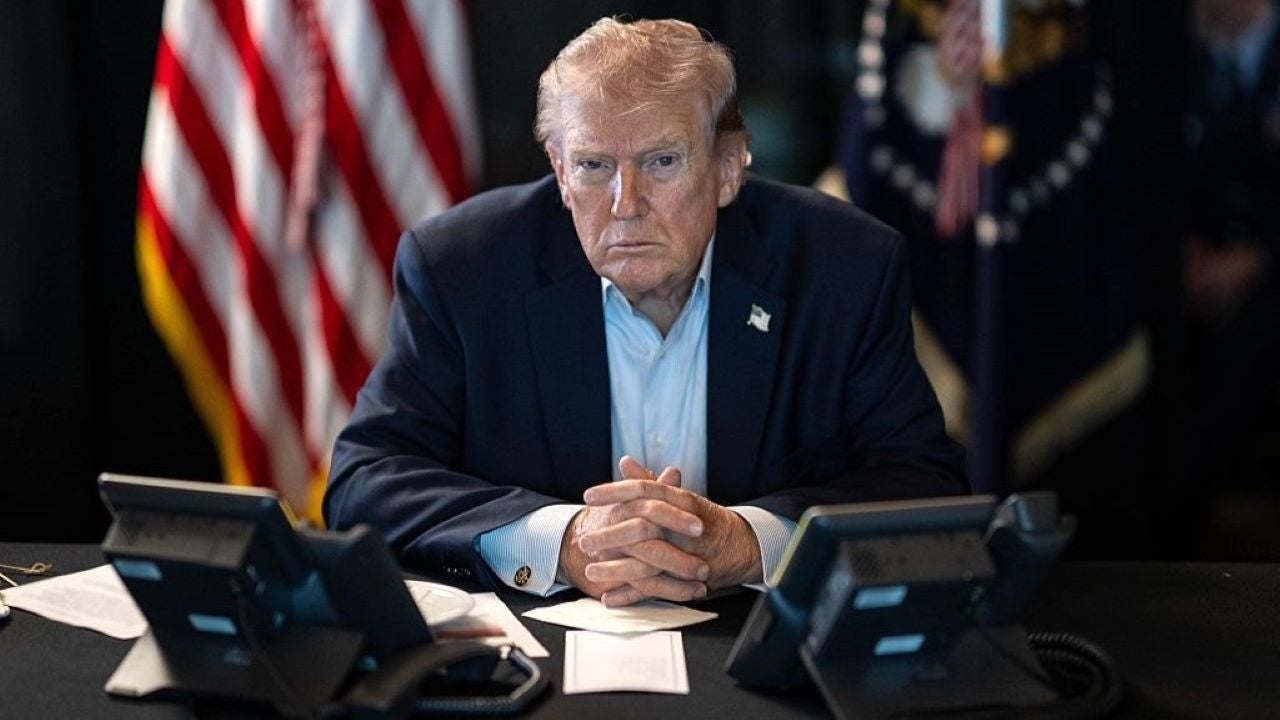
Brent crude fell $6.64, or 5.97%, to $104.64 per barrel and WTI dropped $6.49, or 6.23%, to $97.66 as investors priced in progress toward a U.S.-Iran agreement. Trump said negotiations were in their "final stages" but warned more military action remains possible, keeping geopolitics and energy markets highly volatile. The U.S. dollar also eased from a six-week high on the improving risk backdrop.
The market is treating this as a fast unwind of geopolitical risk premium, but the bigger signal is that positioning was crowded and reflexive rather than fundamental. A 6% intraday drop in crude after a diplomatic headline tells you the marginal buyer is momentum-sensitive; that makes energy beta vulnerable to air pockets if negotiations continue to sound constructive over the next 24-72 hours. The first-order losers are high-cost producers and refiners with weak crack spreads; the second-order loser is the inflation complex, which should mechanically ease pressure on rates and the dollar if oil stays contained.
The more interesting second-order effect is that lower crude is effectively a short-term easing shock for the rest of the market. If Brent holds below the low-$100s for several sessions, expect a relief bid in cyclical equities, airlines, chemicals, and small caps via margin relief and lower input-cost assumptions. That said, this is still a binary geopolitical tape: any sign that the uranium issue or inspection terms stall could reprice risk back higher quickly, and the market is likely to overreact in both directions because implied volatility was not built for a negotiation breakdown followed by escalation.
The contrarian view is that the move may be partially overdone because the headline changes probability, not outcome. With military action still on the table, the left tail remains wide, and crude could retrace violently if talks fail or if either side hardens its public stance; the premium is being compressed faster than the conflict risk itself is actually being resolved. For portfolios, this is a better setup for tactical expressions than outright directional bets: fade the panic in energy only if the next headlines confirm de-escalation, otherwise the better trade is owning convexity on both sides of the range.
AI-powered research, real-time alerts, and portfolio analytics for institutional investors.
Request DemoOverall Sentiment
mildly negative
Sentiment Score
-0.15
