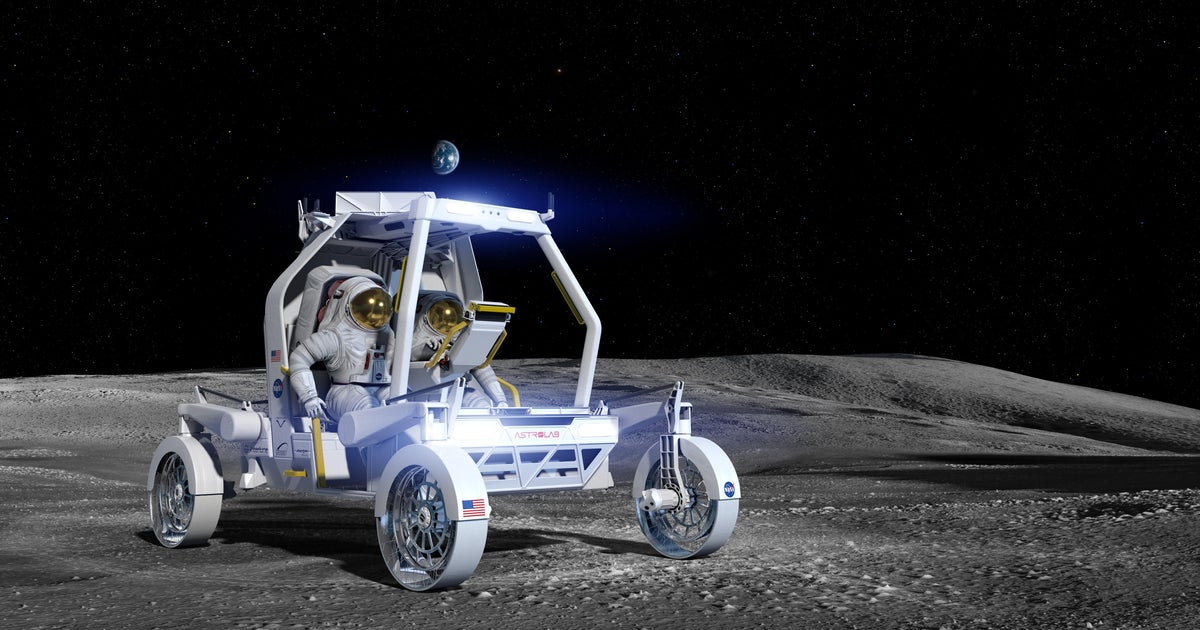
NASA outlined the first phase of its moon base plan and awarded hundreds of millions of dollars in contracts to four U.S. companies, including Blue Origin, Firefly Aerospace, Astrolab and Lunar Outpost. The program targets Artemis III for mid-2027 and a first crewed lunar landing as early as 2028, with additional infrastructure such as power grids and permanent habitats expected in the 2030s. The article is supportive for the selected contractors but has limited near-term market impact beyond the space/aerospace niche.
FLY is the clearest first-order beneficiary, but the more interesting setup is that NASA is effectively creating a multi-year embedded customer with low cancellation risk and high follow-on content. Early contract awards usually pull forward supplier qualification, tooling, and inventory builds; that can create a better revenue visibility profile well before launch cadence turns into recurring hardware orders. The market often underestimates how quickly a program like this can shift from headline-driven optionality to a backlog and margin story if the company can transition from one-off mission work to standardized lunar logistics hardware.
The second-order effect is competitive moat formation: once a vendor is selected for a mission-critical lunar subsystem, switching costs rise sharply because qualification, reliability history, and interface compatibility matter more than price. That tends to compress the addressable market for later entrants and can leave non-selected aerospace names with little near-term upside despite sector enthusiasm. Supply-chain beneficiaries are likely to be niche avionics, autonomy, thermal, and testing vendors rather than broad aerospace primes, but those names are usually too small and illiquid for fast money to own directly.
The biggest risk is execution slippage on the 2027-2028 timeline. These programs can re-rate upward on contract news, then give back gains when technical milestones slip, and that creates a classic 6-18 month volatility window rather than a clean secular trend. A second risk is budget reprioritization: if broader fiscal scrutiny rises, discretionary space spending can be defended in rhetoric but delayed in procurement, which would hit the highest-multiple beneficiaries first.
Contrarian view: the market may be too focused on the spectacle of moon missions and not enough on the economics of utilization. If the lunar economy thesis remains mostly government-funded for several more years, the valuation bridge from ‘contract wins’ to durable commercial growth is weak. That argues for trading the excitement tactically rather than assuming a long-duration capex supercycle.
AI-powered research, real-time alerts, and portfolio analytics for institutional investors.
Request DemoOverall Sentiment
mildly positive
Sentiment Score
0.20
Ticker Sentiment
