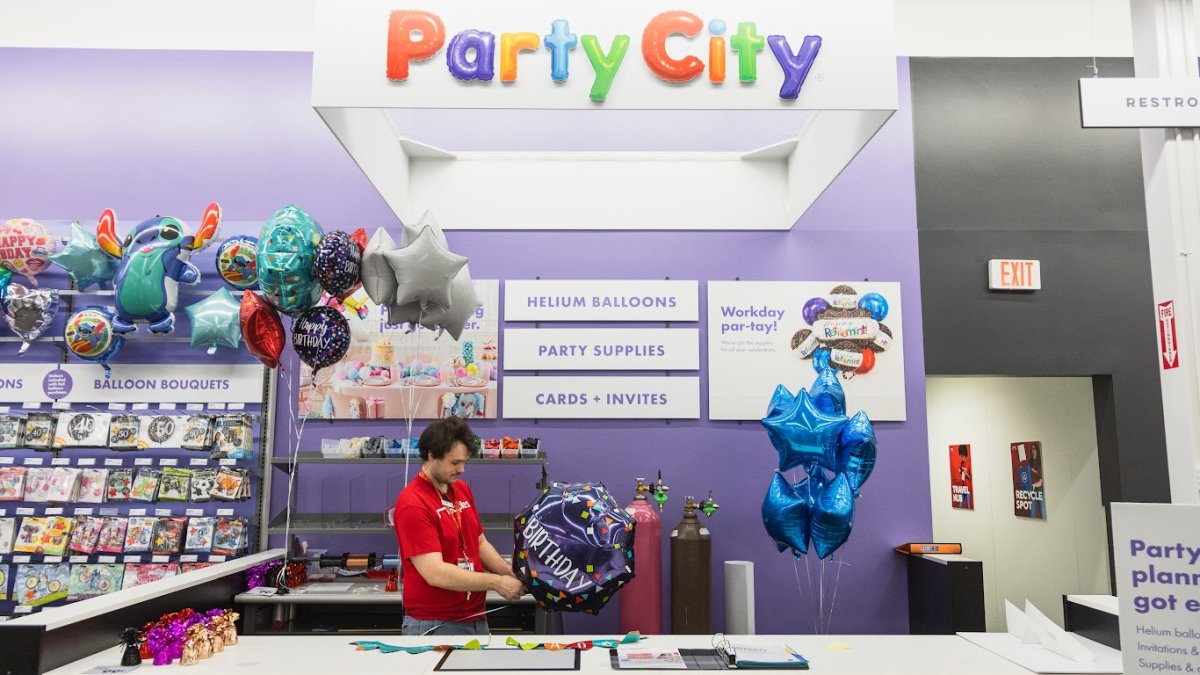
Party City is reopening inside more than 700 Staples locations nationwide, with plans to expand further by the end of 2026. The move follows the brand’s 2025 store closures and a prior $20 million bankruptcy, signaling a restructuring-driven comeback rather than a traditional standalone retail footprint. The partnership bundles party supplies with print services, creating a new multi-purpose retail format with limited near-term market impact.
This is less a comeback story than a distribution reset: the brand is being converted from a capital-intensive standalone footprint into an embedded SKU inside a higher-traffic retailer. That changes the economics materially because the barrier is no longer destination shopping but attach-rate into existing foot traffic, which should improve unit productivity and reduce the odds of another wide-scale store rollup failure.
The second-order winner is Staples, not the party brand. The add-on category can lift basket size, improve store relevance, and create a better reason for SMB and consumer traffic to visit in person, especially around event-driven buying cycles. The likely loser is the fragmented independents and regional party chains that lack a national print-services bundle and may face price pressure if the new format uses promotions to seed habit formation.
The key risk is execution over the next 6-18 months: helium, balloons, and seasonal SKU complexity are operationally unforgiving, and the concept only works if inventory turns stay high and shrink/stockouts remain controlled. There is also a cannibalization risk if the new format simply relocates demand from online or remaining legacy channels rather than expanding total spend. The contrarian point: this could be a smarter monetization of a distressed brand than a genuine category recovery, meaning the equity value creation may accrue mostly to the host retailer and private owner, not to the former brand itself.
Catalyst-wise, the first read-through should be same-store sales and attach-rate during the next two seasonal peaks: graduation and Q4. If the rollout is still expanding into late 2026, the market will likely treat the concept as optionality rather than a true growth engine until there are at least two clean holiday cycles proving margin accretion and repeat traffic. Any supply hiccups or weak event calendars would likely show up quickly in gross margin before they show up in revenue.
AI-powered research, real-time alerts, and portfolio analytics for institutional investors.
Request TrialOverall Sentiment
mildly positive
Sentiment Score
0.15
