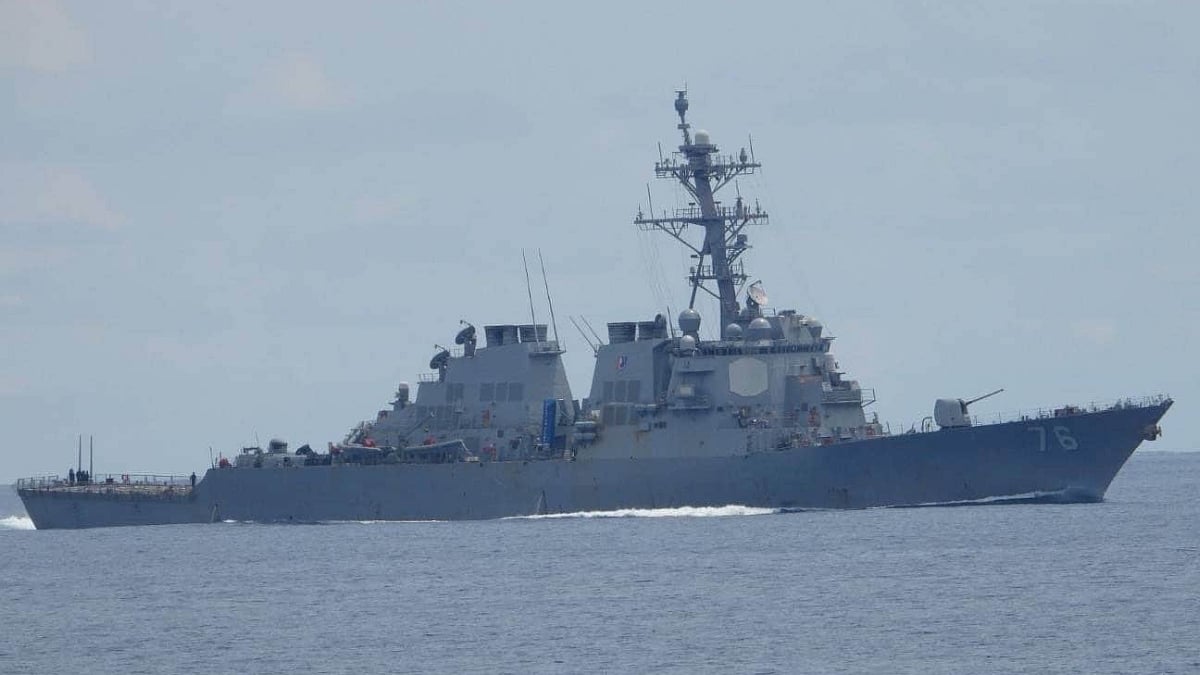
The USS Higgins suffered an onboard electrical fire on April 28 while operating in the Indo-Pacific, but the blaze was extinguished quickly and the destroyer resumed sailing under its own power. No injuries were reported, though the extent of damage and repair scope have not been disclosed. The incident is the third fire on a U.S. Navy ship since the start of April 2026, adding to operational and maintenance concerns.
This is less about a single ship and more about a pattern risk in the forward-deployed surface fleet: recurring electrical casualties imply a maintenance and readiness tax that compounds with high-tempo Indo-Pacific operations. The second-order effect is not immediate attrition, but reduced sortie reliability, more precautionary stand-downs, and a slower response posture from units that are supposed to provide persistent presence. That matters most in a theater where deterrence depends on visible, credible availability more than raw hull count.
The likely winners are the industrial and service-layer names tied to naval maintenance, repair, and modernization rather than prime shipbuilders alone. Repeated incidents strengthen the case for accelerated funding into power distribution, firefighting systems, condition-based maintenance, and depot-level overhauls; that should be incremental demand for smaller suppliers and MRO contractors over the next 6-18 months. The loser is operational capacity: if this trend keeps repeating, the Navy may shift more mission load onto fewer fully mission-capable platforms, raising wear on the rest of the fleet and creating a subtle readiness squeeze.
The market is probably underpricing the chance that this becomes a budget and procurement headline rather than just a safety headline. A cluster of incidents over weeks can trigger congressional scrutiny, class-wide inspections, and schedule delays that ripple into maintenance backlogs and contractor revenues, but also pressure margins for shipbuilders if remediation work is absorbed into already-stretched programs. The contrarian risk is that the move is mostly noise unless investigation reveals a common systems issue; if so, the near-term trade should be tactical rather than structural, because the Navy can contain the problem with inspections and temporary workarounds before it becomes a fleet-wide reset.
AI-powered research, real-time alerts, and portfolio analytics for institutional investors.
Request DemoOverall Sentiment
mildly negative
Sentiment Score
-0.15
