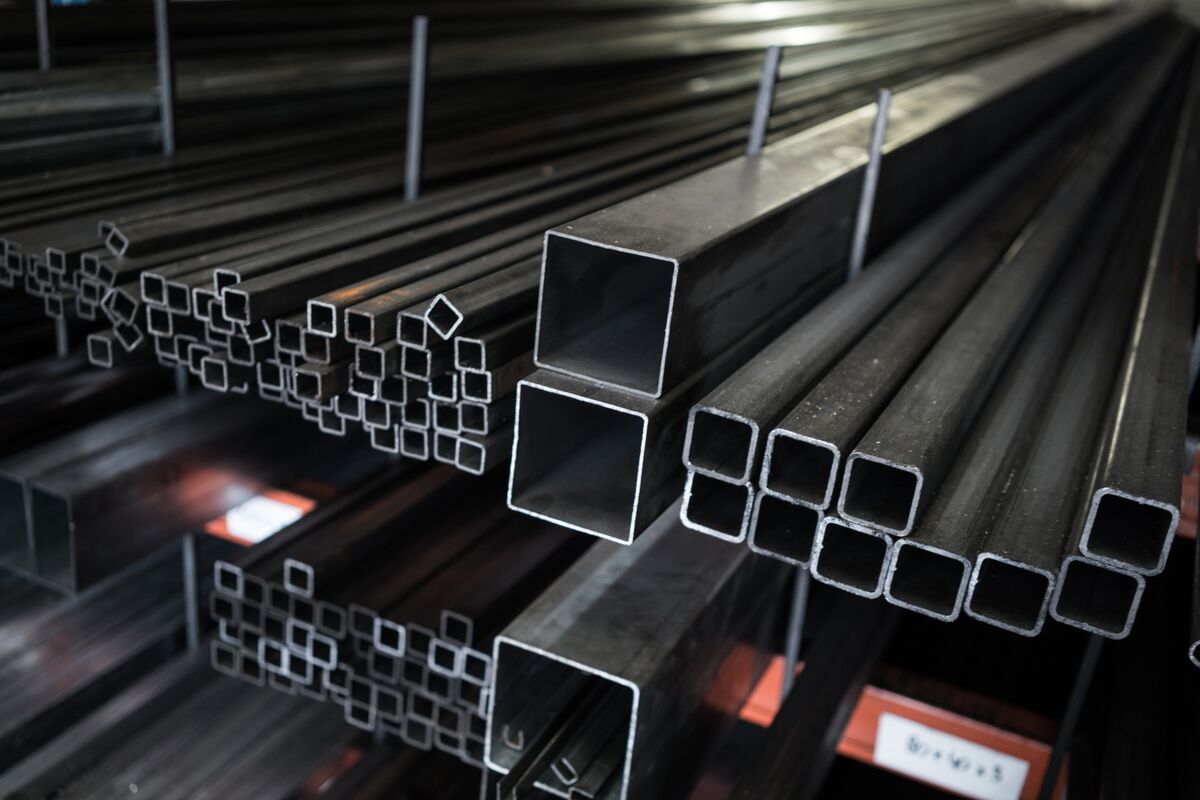
The European Union plans to significantly restrict steel imports by proposing a new long-term mechanism next week to reduce existing foreign steel quotas by almost half and ramp up tariffs to mirror those of other jurisdictions, such as the 50% US duties. This initiative, announced by European Commission Vice President Stéphane Séjourné, aims to protect local producers struggling with Asian overcapacity and trade barriers from other partners, signaling a more protectionist stance in the bloc's trade policy.
The European Union is signaling a significant pivot towards protectionism in its steel market, with the European Commission set to propose a new long-term mechanism to shield local producers. This policy involves a substantial reduction in foreign steel import quotas by nearly 50% and an increase in tariffs intended to mirror the 50% duties imposed by the United States. The move is a direct defensive response to persistent pressure from Asian overcapacity and existing trade barriers from other partners. This development is poised to tighten the European steel market, likely providing a tailwind for domestic producer pricing and utilization rates. The overall market sentiment is rated as 'mildly negative', which reflects the contractionary nature of trade restrictions on global economic activity and the potential for retaliatory measures, while the moderate market impact score of 0.6 underscores the policy's material significance for the global commodities and industrial landscape.
AI-powered research, real-time alerts, and portfolio analytics for institutional investors.
Request DemoOverall Sentiment
mildly negative
Sentiment Score
-0.25
