
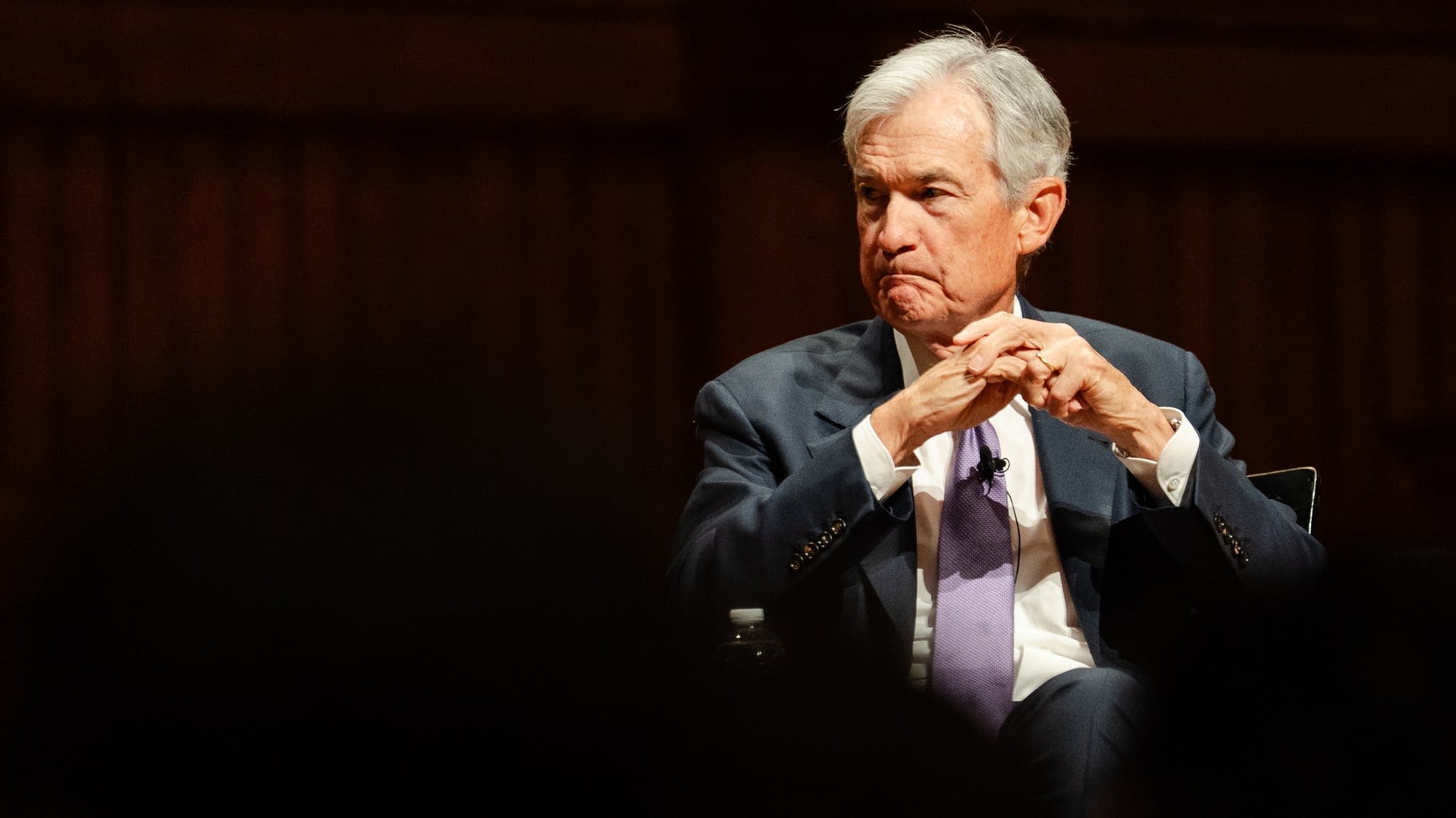
Fed Chair Jay Powell described the labor market as being in a "zero employment growth equilibrium," with essentially no private-sector job creation over the last six months even as unemployment remains low. The article argues that weaker labor demand and slower labor supply are offsetting each other, but this also limits job mobility, wage gains, and consumption potential, making the economy less resilient. Drivers cited include trade-policy uncertainty, Middle East conflict, and reduced net immigration.
The market is misreading this as merely “not bad,” but the more important implication is that labor is becoming a smaller shock absorber for the economy. When payroll growth is pinned near zero because both labor demand and labor supply are fading, headline unemployment can look stable even as the underlying engine of consumption loses momentum; that tends to show up first in wage-sensitive discretionary spend, lower job-to-job switching, and weaker small-business pricing power.
This is mildly negative for cyclicals and labor-intense industries with limited pricing flexibility, but the second-order winner is balance-sheet quality and companies with demand driven by necessities rather than labor-market optimism. Banks are a subtle loser here: not from credit stress today, but because a flatter job market reduces deposit growth, trims credit-card spend, and eventually narrows loan demand. For WFC specifically, the bigger issue is not near-term charge-offs; it is that a stagnant employment backdrop caps operating leverage and delays any re-acceleration in fee and loan growth.
The key catalyst window is 1-3 months, when incoming labor prints can either confirm “stable but soft” or tip into visible labor-market slack. The tail risk is a demand air-pocket if energy prices rise simultaneously: households with stagnant income mobility have less ability to absorb a gasoline shock, which historically transmits quickly into discretionary retailers, travel, and consumer finance. Conversely, a sudden easing in trade policy or an improvement in immigration flows would reverse the equilibrium by restoring labor supply or confidence, but those are slower-moving than the downside shock.
Consensus is probably too complacent because low unemployment is being treated as synonymous with resilience. In reality, low unemployment with zero job creation is a late-cycle sign of diminished dynamism; it is good for the unemployment print, but bad for future consumption growth and wage bargaining. That asymmetry argues for positioning around sluggish demand rather than outright recession.
AI-powered research, real-time alerts, and portfolio analytics for institutional investors.
Request TrialOverall Sentiment
mildly negative
Sentiment Score
-0.15
Ticker Sentiment
