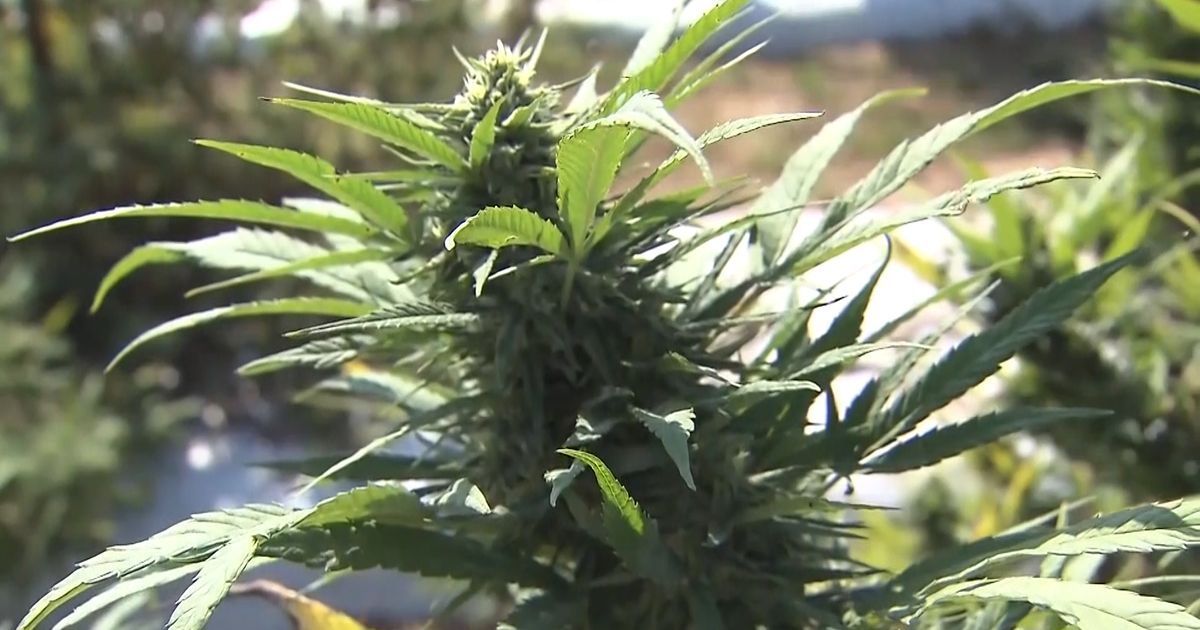
A provision tucked into last fall's government shutdown bill would redefine federal hemp limits from 0.3% THC by dry weight to a cap of 0.4 mg total THC per container if implemented in November, a change that industry participants warn would effectively outlaw most THC-infused hemp products and threaten growers, retailers and related businesses. The shift creates a potential federal–state legal clash (North Carolina presently permits many of these products) and has prompted bipartisan pressure—38 state attorneys general including North Carolina’s Jeff Jackson have asked Congress for clarification—leaving producers facing significant regulatory and commercial uncertainty ahead of the growing season.
Market structure: A hard federal THC-per-container limit (0.4 mg/container effective Nov) would structurally destroy most high-potency hemp edible/consumer segments and concentrate revenue into low-THC sublingual/topicals and licensed marijuana channels. Winners: large, vertically integrated licensed cannabis growers (TLRY, CGC) and legacy CPG/tobacco (MO, PM) that can scale compliant CBD or nicotine-adjacent products; losers: pure-play hemp/CBD retail and OTC names (CWBHF, small caps) and independent hemp farms that rely on edibles/ingestibles. Price power shifts to vertically integrated producers and regulated operators who can re-route supply into adult-use markets or extracts.
Risk assessment: Tail risks include immediate enforcement actions or large state-federal clashes (10-30% chance) that could force recalls and bankruptcies among small retailers, and conversely a Congressional fix protecting hemp (20-40% chance) that would reflate the sector. Time horizons: immediate market sentiment shock (days-weeks), regulatory cliff in Nov 2026 (months), structural industry repricing over 12-36 months. Hidden dependencies: interstate shipment rules, payment processors, and banking access – cutoffs here amplify insolvency risk for small sellers.
Trade implications: Short concentrated OTC hemp plays (CWBHF) and long high-quality regulated operators (TLRY, CGC) or defensive CPG/tobacco (MO) as rotation into scale and compliance; buy puts on US cannabis ETFs (MSOS, MJ) expiring Dec 2026 to hedge regulatory drawdown around Nov. Use pair trades (short CWBHF, long TLRY) to capture relative funding stress; consider buying volatility (long calls/put spreads) around Federal Register publication windows.
Contrarian: Consensus assumes broad wipeout; but enforcement cost and political pushback make a full nationwide crackdown unlikely — a midcase is partial compliance timelines and carve-outs for topical/non-ingestible products. Mispricing exists in liquid large-cap cannabis where regulated operators can pivot — consider selectively buying TLRY on >20% pullbacks post-rule publication. Monitor congressional hearings and AG coordination as the primary reversal catalyst.
AI-powered research, real-time alerts, and portfolio analytics for institutional investors.
Request DemoOverall Sentiment
strongly negative
Sentiment Score
-0.60
