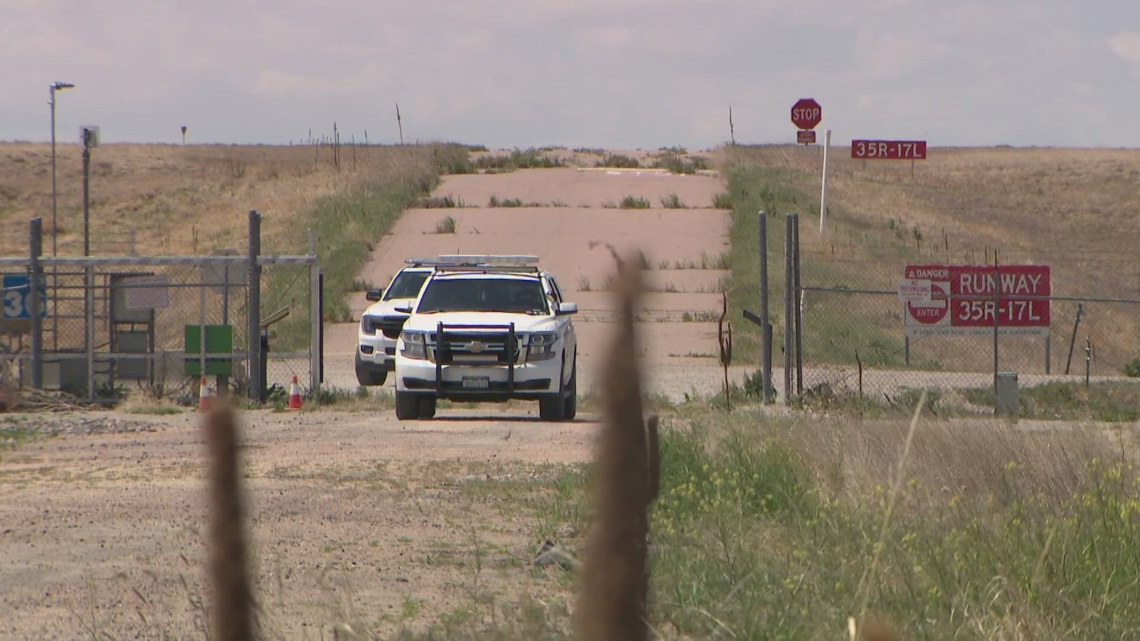
A person was killed after unlawfully breaching the perimeter fence at Denver International Airport and being struck by a Frontier Airlines Airbus A321 during takeoff; 12 passengers reported minor injuries and 5 were hospitalized. The runway was closed and then reopened around 11 a.m. Saturday while the FAA, NTSB, and Denver Police investigate the security breach and incident sequence. The event is negative for airport operations and airline safety perception, but likely limited in direct market impact.
This is not a one-day headline for ULCC; it is a marginally negative signal that hits the sector’s risk premium rather than the company’s near-term earnings. The immediate economic damage is small, but the event reopens the market’s core objection to ultra-low-cost carriers: one operational shock can amplify into disproportionate cancellation, compensation, and brand damage because the model depends on high aircraft utilization and thin pricing power.
The first-order issue for Frontier is not direct cost; it is follow-on behavior. If investigators conclude there was any perimeter or airfield control lapse, expect airports, regulators, and insurers to pressure the carrier and the broader sector on security protocols, training, and disruption planning. That can translate into higher airport-related compliance costs and slightly worse negotiating leverage with secondary airports over the next 1-2 quarters, even if no fine is imposed.
The contrarian angle is that the market may overprice the earnings impact while underpricing the legal and reputational overhang. ULCC already trades with a volatility discount, so the stock reaction should fade unless there is evidence of a procedural failure by Frontier or a broader airport security review that slows operations systemwide. The bigger second-order winner is not another airline, but larger carriers with stronger schedule recovery and better corporate traveler loyalty, which can absorb a small share of traffic if Frontier’s reliability perception deteriorates.
The key catalyst window is days to weeks: initial investigation findings, any mention of airport security gaps, and whether injured passengers or operational delays escalate into claims. If the inquiry stays contained to a third-party breach, the trade is likely to mean-revert; if it expands into systemic perimeter or airfield-control deficiencies, the downside becomes a months-long multiple compression event rather than a one-off headline.
AI-powered research, real-time alerts, and portfolio analytics for institutional investors.
Request DemoOverall Sentiment
moderately negative
Sentiment Score
-0.35
Ticker Sentiment
