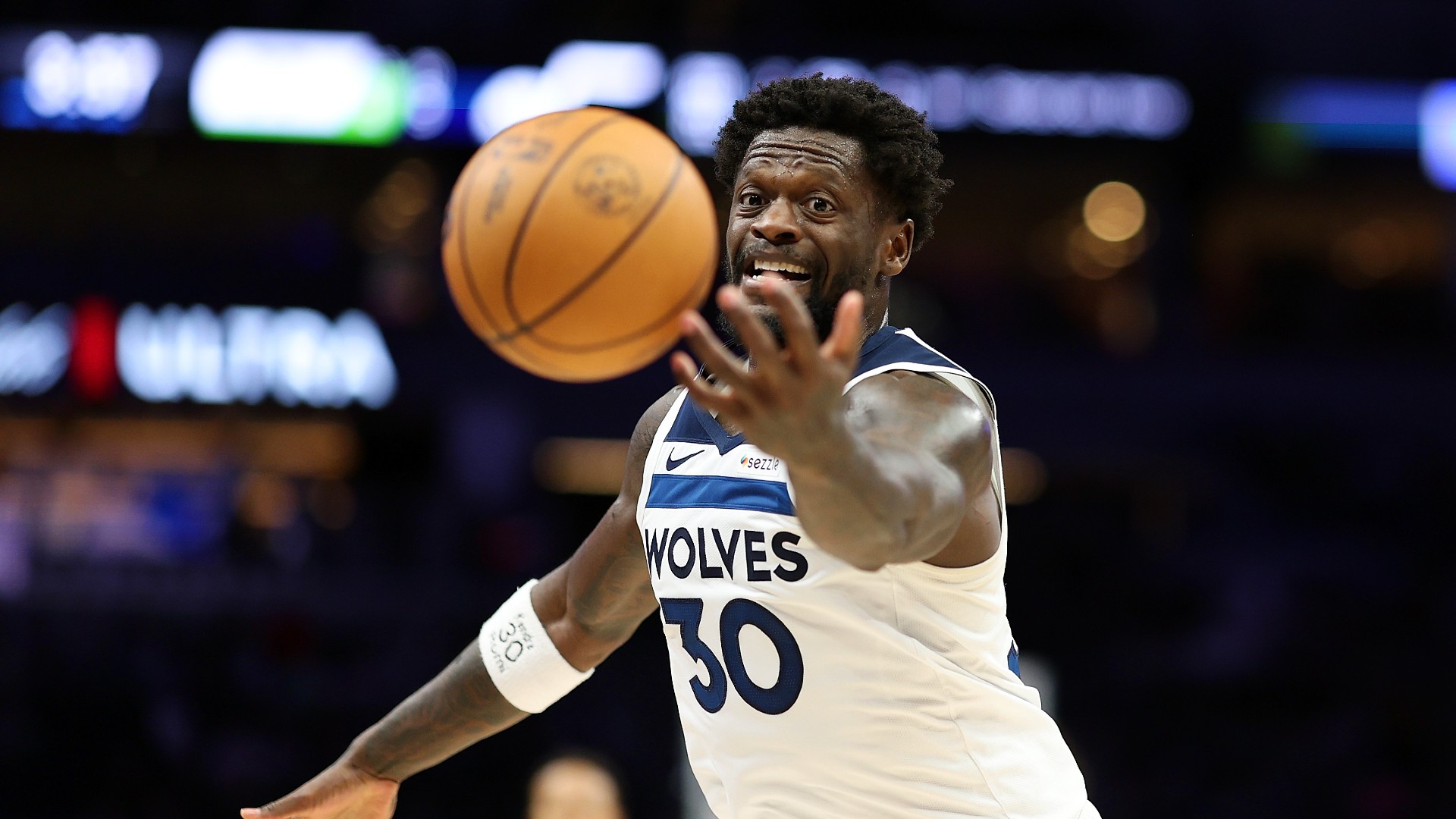
The Timberwolves are trading Julius Randle and the No. 28 pick to the Nets in a three-team deal, while Minnesota receives the No. 33 pick and creates a $33 million trade exception. The move gives Minnesota added flexibility to re-sign Ayo Dosunmu and pursue free agents, while Brooklyn adds Randle and Chicago acquires Nic Claxton. The transaction is notable for roster and cap management, but is unlikely to have broad market impact.
This is less a basketball talent swap than a balance-sheet recapitalization. Minnesota is effectively monetizing a mid-tier veteran contract into optionality: the immediate economic value is not the downgraded draft slot, but the ability to create a large trade exception that can be recycled into roster upgrades over the next 12 months. In cap-constrained team-building, that kind of flexibility is often worth more than a marginal first-round pick, especially for a contender with a narrow window and a high salary base.
The second-order winner is Brooklyn, which is signaling a willingness to convert future draft value into present roster construction currency. Taking on a player with a usage-heavy profile but inefficient shooting likely only makes sense if the front office believes the market will later price his volume scoring as a tradeable expiring-style asset, not a long-term fit. Chicago’s role is more interesting: adding a rim-protecting center type in a market where true defensive anchors are scarce can stabilize a defense quickly, but it also exposes whether they are prioritizing short-term competitiveness over a broader teardown.
The risk is that the market overestimates how much of this flexibility turns into actual wins. Trade exceptions are only valuable if there is a matching seller and if the team is willing to absorb salary before the deadline; otherwise they become accounting artifacts. Catalyst timing is front-loaded over the next 2-4 weeks around free agency and roster dominoes, but the real test is by the trade deadline, when cap space and exceptions either crystallize into upgrades or fade into narrative noise.
The contrarian angle: this may be more bullish for the teams not directly named. By removing a high-usage offensive option from Minnesota, it could raise the on-ball opportunity share for younger perimeter creators and improve lineup efficiency even if raw scoring drops. The consensus will focus on name value and draft-slot optics, but the cleaner shot profile and cap flexibility may produce a better win-rate outcome than simply keeping the more expensive veteran.
AI-powered research, real-time alerts, and portfolio analytics for institutional investors.
Request DemoOverall Sentiment
mildly positive
Sentiment Score
0.20
