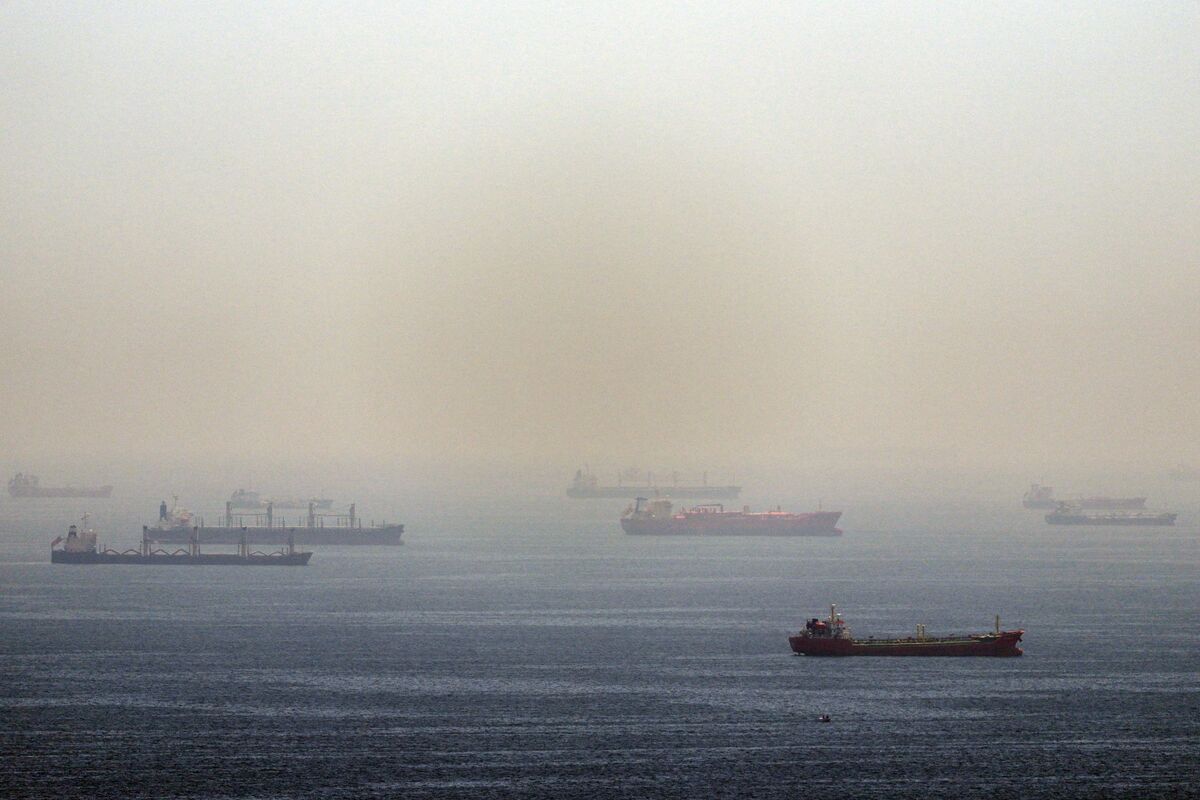
Traffic through the Strait of Hormuz remains disrupted after Iranian authorities declared the waterway shut to shipping and then ordered a tanker to turn back within about 4 miles (6.4 km) of the Iranian coast. The conflicting signals and naval intervention underscore elevated geopolitical and logistics risk in a critical energy chokepoint, with potential spillovers for oil tanker routes and broader supply chains.
The market should treat this less as a binary shipping headline and more as an escalation in the “operational friction premium” embedded in Gulf trade. Even if physical closure never materializes, intermittent turnarounds, ambiguous permissions, and radio-based deterrence can raise effective transit costs fast: higher war-risk premiums, slower convoying, missed laycans, and vessel idling that cascade into demurrage and tighter effective tonnage supply. The first-order beneficiaries are freight-rate sensitive owners and carriers with limited Strait exposure, while the losers are refiners and import-dependent industrials whose margin compression shows up with a lag of days to weeks, not immediately in spot crude.
The second-order risk is that logistics disruption becomes self-reinforcing. Once charterers start rerouting or delaying loadings, inventory buffers in Asia and Europe can be drawn down just enough to force panic spot buying, especially for middle distillates and Gulf-origin cargoes with fewer substitutes than headline crude. That creates a convex move in product cracks: even a modest crude disruption can widen diesel and jet spreads more than Brent if refinery feedstock optionality tightens and shipping insurance spikes.
From a portfolio perspective, the setup is asymmetric because the downside to risk assets is immediate while normalization requires credible de-escalation, not just statements of openness. The key watch item over the next 48-72 hours is whether carriers resume crossings without escort or whether this hardens into a pattern of selective enforcement; the latter would likely extend the premium for weeks. Over months, the more important tell is whether Asian buyers accelerate strategic stockpiling and long-term route diversification, which would permanently reprice tanker demand and Gulf logistics resilience.
The contrarian view is that the market may be overestimating the probability of a true shutdown and underestimating the willingness of all parties to preserve oil revenues. If this remains a managed harassment regime rather than sustained interdiction, the biggest winners may be volatility sellers in crude after the first spike, because the physical market can adapt via floating storage, slower steaming, and inventory drawdowns. But until passage is demonstrably routine again, the burden of proof stays on de-escalation, not on the market to fade the risk.
AI-powered research, real-time alerts, and portfolio analytics for institutional investors.
Request DemoOverall Sentiment
strongly negative
Sentiment Score
-0.70
