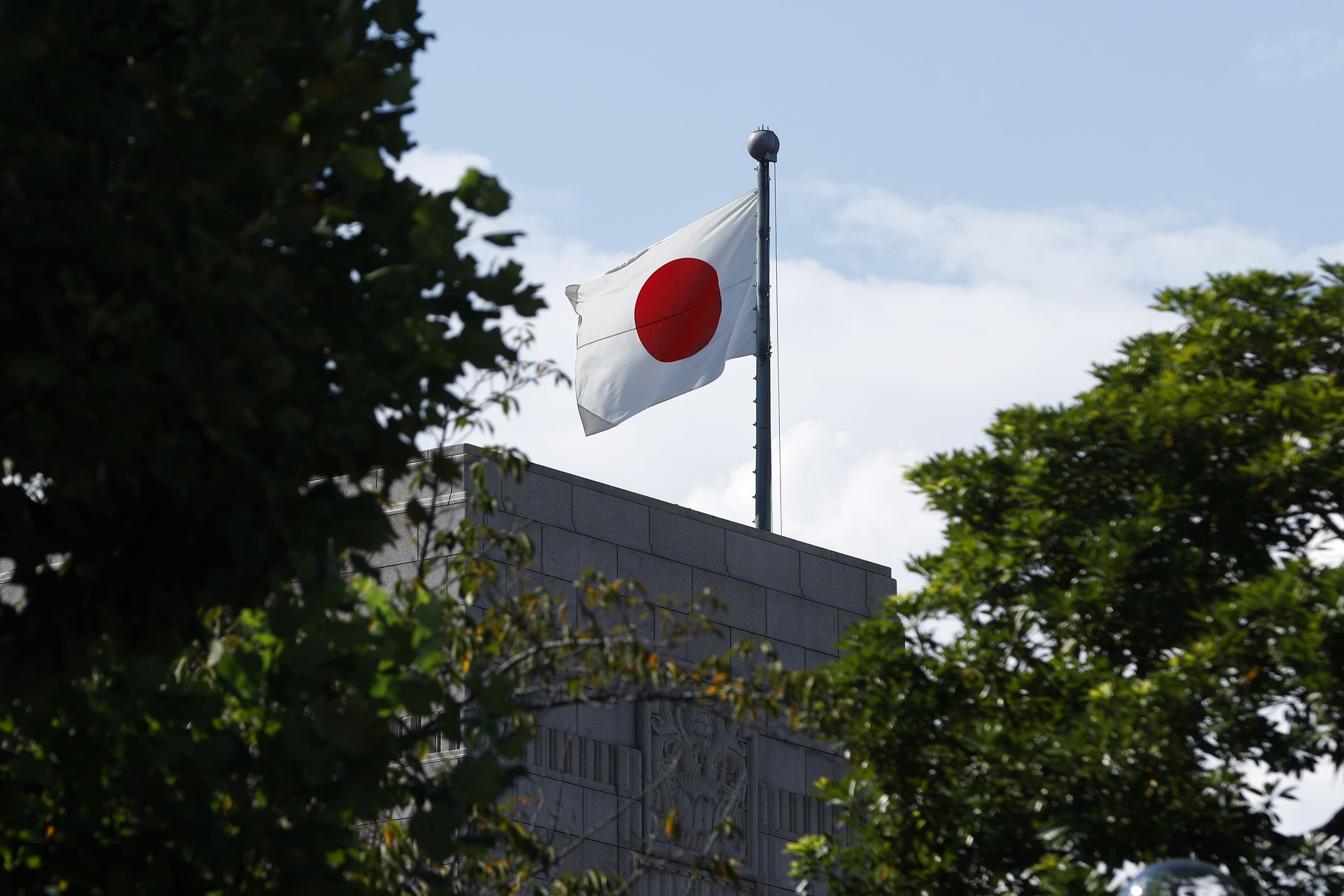
Japan contributed about $14.7 million to NATO's Prioritized Ukraine Requirements List (PURL) program, limiting its support to non-lethal aid. The move reinforces Japan's role as a major backer of Ukraine and signals continued Japan-NATO cooperation amid ongoing air defense shortages and Russian missile attacks. The news is supportive for Ukraine's defense funding, but the direct market impact is likely limited.
Japan’s participation matters less for the dollar amount than for the signaling effect: it lowers the political cost for other U.S. allies in Asia to route support through NATO-style pooled procurement rather than overt bilateral arms transfers. That broadens the buyer base for U.S. defense inventory and, more importantly, improves utilization for bottlenecked systems such as air defense interceptors and related command-and-control hardware, where lead times are already stretched. The second-order effect is a gradual transfer of Ukraine support from discretionary headline-driven aid to a more institutionalized, repeatable funding rail.
For defense supply chains, the key issue is not incremental revenue but schedule discipline. If allied funding keeps accruing while production remains constrained, the marginal winner is prime contractors with protected backlog and pricing power; the loser is any non-defense sector competing for the same industrial inputs, especially electronics, propulsion components, and precision machining capacity. That creates a mild inflationary impulse inside the defense complex even if headline budgets do not move dramatically, because scarce throughput gets repriced upward before volumes do.
The biggest catalyst/risk is whether allied contributions pace battlefield depletion. If air defense demand continues to outrun deliveries over the next 1-3 quarters, the market will increasingly price a structural replenishment cycle in Patriot-class and interceptor names; if ceasefire talks or a policy shift in Washington reduce urgency, the bid can fade quickly. The underappreciated downside tail is that small contributions can create a false sense of adequacy—enough to preserve headlines, not enough to materially change Ukraine’s air-defense math—so the news flow may stay supportive while the operational situation still deteriorates.
From a contrarian standpoint, consensus may be underestimating Japan’s domestic constraint as a feature, not a bug: its non-lethal posture makes this a durable channel for support without forcing a constitutional debate, which could mean a longer runway than single-episode aid announcements imply. That favors steady accumulation in U.S. defense names on dips rather than chasing single-day reactions. The best risk/reward is in names levered to air-defense replenishment rather than broad defense beta, because the market often misprices the duration of missile-defense shortages versus generic geopolitical headlines.
AI-powered research, real-time alerts, and portfolio analytics for institutional investors.
Request DemoOverall Sentiment
mildly positive
Sentiment Score
0.25
Ticker Sentiment
