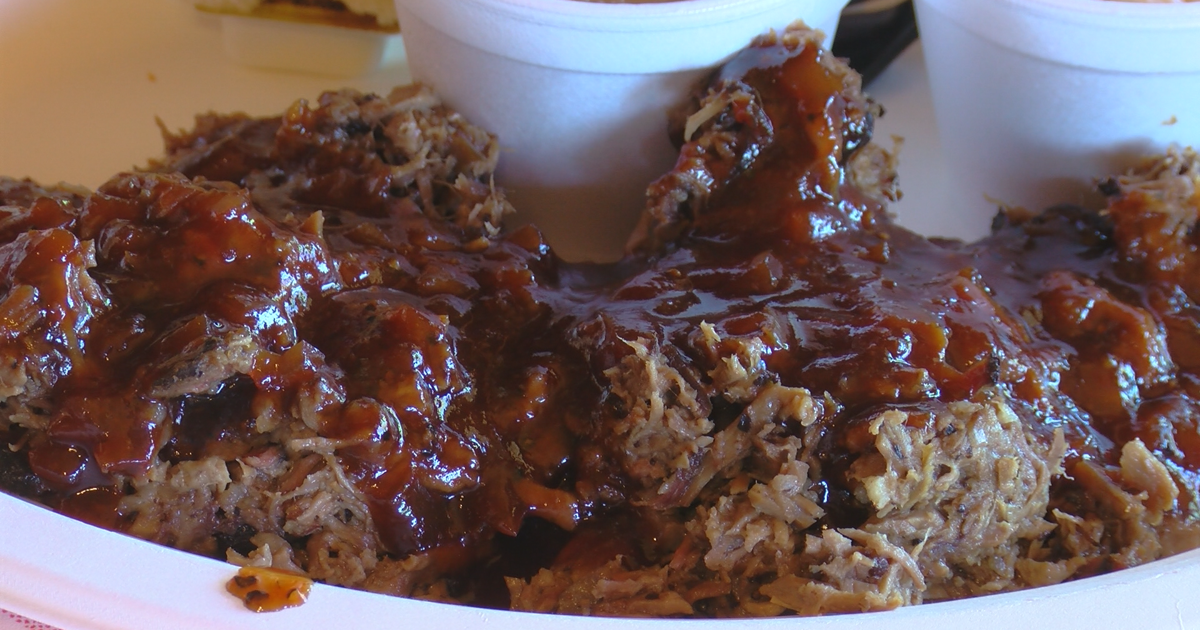
Beef is now $9.64 per pound, up 13% year over year, as high demand meets the smallest U.S. cattle herd in 75 years. Smoky Jon's #1 BBQ says rising costs for beef, supplies, and sides are pressuring margins and may force price increases, though it is trying to keep regular customers happy. The article points to broader inflationary pressure in restaurant input costs rather than a company-specific shock.
This is a margin-compression story first, but the second-order winner is the upstream ranching/input complex, not the restaurant group. When a protein category gets supply-constrained while demand remains resilient, the pain propagates unevenly: small operators with limited pricing power get squeezed immediately, while larger chains with menu flexibility can re-engineer mix, portion sizes, and promos to protect traffic. The key implication is that the industry is moving from stable gross margin management to frequent, rolling repricing, which tends to favor concepts with centralized procurement and dynamic menu engineering.
The more interesting catalyst is not just higher beef, but a delayed normalization risk. Cattle cycles are multi-quarter to multi-year, so even if retail demand softens, supply won’t respond quickly; however, if restaurant traffic rolls over, distributors may see a sharper-than-expected pullback in order volumes and spot pricing could gap lower before herd rebuilding meaningfully improves availability. That creates a classic lag: menu inflation can stick for several quarters, while consumer resistance can emerge much faster, especially in lower-income dining channels.
From a market lens, this favors short-duration beneficiaries of price pass-through and pressures names with high beef exposure and weak traffic comp. The consensus may be underestimating the cadence of margin resets: operators that have delayed increases are likely to face a burst of repricing, which can temporarily lift reported comps but risk transaction declines in the following quarter. A small premium category like brisket also signals substitution within the protein basket, which can distort perceived demand strength and keep input costs elevated longer than expected.
Contrarian take: the move may be overcalled as pure inflation when it is partly a supply elasticities story. If high prices finally trigger menu substitution away from beef toward chicken/pork or off-premise occasions, the demand shock could become visible within 1-2 quarters, capping further upside in beef-linked equities and setting up a sharper mean reversion than the market expects.
AI-powered research, real-time alerts, and portfolio analytics for institutional investors.
Request DemoOverall Sentiment
mildly negative
Sentiment Score
-0.35
