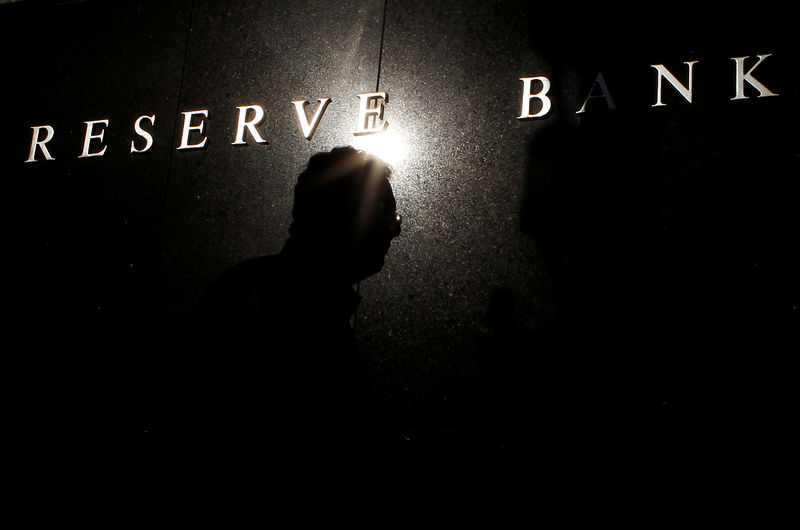
The Reserve Bank of Australia left its cash rate unchanged at 4.35% after three rate hikes this year, but kept a hawkish bias and said it is prepared to raise rates further if inflation stays elevated. The RBA flagged materially higher headline and underlying inflation in the second half of 2025, with higher fuel costs and energy prices adding to broader price pressures. The Australian dollar slipped 0.3% after the decision as financial conditions remained tight.
This is less about the pause itself and more about the policy transmission lag finally colliding with a still-sticky inflation impulse. The most important second-order effect is that the central bank is now implicitly leaning on the currency, rates, and tighter financial conditions to do more of the work; that raises the odds of a slower but more persistent growth deceleration rather than an abrupt recession. In that regime, cyclicals get whipsawed, while defensives with domestic pricing power should hold up better than the broad index.
The tradeable issue is that energy remains a tax on the consumer and a margin headwind for transport, discretionary retail, and parts of industrials, even if headline oil has eased from extremes. If higher fuel costs keep feeding through into broader prices over the next 1-2 quarters, the market will start pricing a longer period of restrictive policy and fewer near-term cuts, which is usually more damaging for rate-sensitive equities than for bank NIMs. The currency reaction also matters: a firmer domestic currency tightens financial conditions further and can become self-reinforcing if local growth data softens.
The contrarian miss is that the risk is not necessarily another immediate hike; it is a prolonged hold at restrictive levels while inflation expectations re-anchor higher. That tends to compress equity multiples without a dramatic macro headline, creating the best setup for relative-value shorts in duration-sensitive sectors rather than outright index bearishness. The window to fade is typically 1-3 months after a hawkish hold, when weaker consumption and housing data begin to show through.
If labor remains resilient but spending cracks, the central bank gets room to stay cautious while the market has already priced too much easing. That is bullish for short-end rates staying elevated, but bearish for discretionary earnings revisions. The highest convexity comes from positions that benefit if growth slows without an immediate policy pivot.
AI-powered research, real-time alerts, and portfolio analytics for institutional investors.
Request DemoOverall Sentiment
neutral
Sentiment Score
-0.05
Ticker Sentiment
