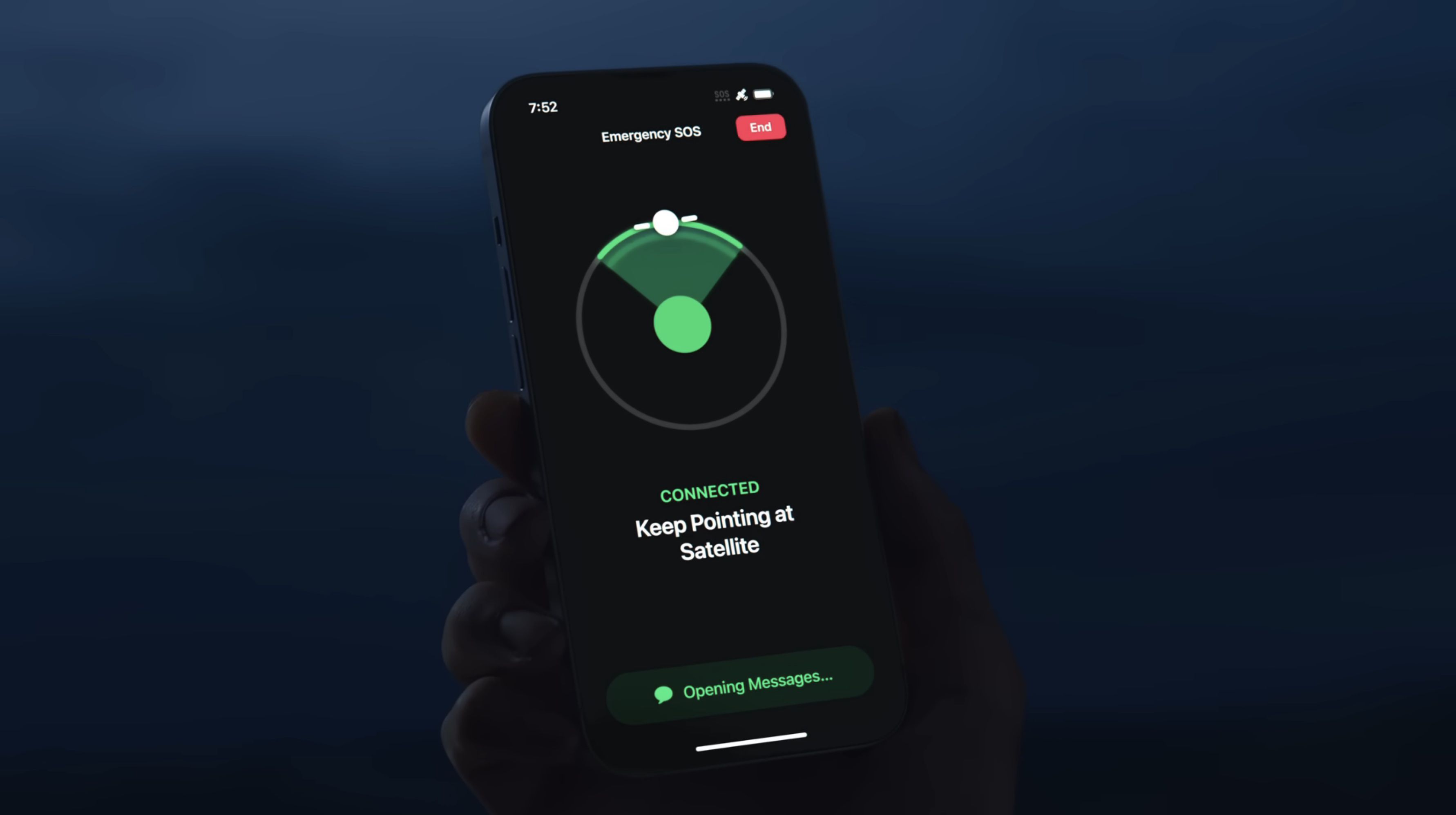
Amazon announced a definitive agreement to acquire Globalstar and separately signed a deal with Apple to power current and future iPhone and Apple Watch satellite features via Amazon Leo satellites, with closure expected in 2027 pending regulatory approval. The move secures Apple’s satellite connectivity roadmap and supports expansion beyond current free features like Emergency SOS, Find My, Roadside Assistance, and Messages via satellite. Rumored enhancements include 5G via satellite, Apple Maps support, and third-party app integration, but the near-term market impact is likely modest.
This is a quiet but meaningful reset of the satellite stack economics: Amazon is not just displacing a niche supplier, it is moving satellite connectivity from a single-purpose emergency feature toward a broader cloud-adjacent distribution channel. That matters because the value accrues less to the satellite operator over time and more to the platform owners that can bundle connectivity into device features, software subscriptions, and developer ecosystems. In other words, the margin pool likely migrates upstream to AAPL and AMZN while GSAT becomes a stranded bridge asset unless it can monetize capacity elsewhere.
The second-order implication is that this expands Apple’s optionality on premium hardware segmentation. If some satellite features are gated to Pro models or future form factors, Apple can turn connectivity into another high-ASP differentiator rather than a pure service feature, which supports mix and upgrade velocity over a 12-24 month horizon. The bigger beneficiary may actually be the iPhone replacement cycle itself: improved off-grid functionality reduces the need to wait for a full redesign to justify upgrades.
For Amazon, the market may still be underestimating how strategically valuable the satellite partnership is as a distribution wedge into consumer devices. Even if near-term revenue is immaterial, tying Leo to a flagship handset creates a default pathway for future consumer services and gives Amazon a credible edge versus standalone satellite startups that lack device-level integration. By contrast, the obvious loser is GSAT: the deal removes exclusivity but also exposes how little bargaining power a single-customer satellite provider has once a platform owner can switch networks.
The contrarian risk is timing and regulatory drag. The economic impact is years, not days, and if regulatory approval slips or Amazon’s network rollout underdelivers, the market may over-discount near-term upside for AMZN and over-punish GSAT too quickly. The more interesting trading angle is not the headline, but whether this accelerates Apple’s move toward paid connectivity bundles in iOS 27-28; if so, today’s free utility layer could become a monetizable services attach point.
AI-powered research, real-time alerts, and portfolio analytics for institutional investors.
Request DemoOverall Sentiment
mildly positive
Sentiment Score
0.35
Ticker Sentiment
