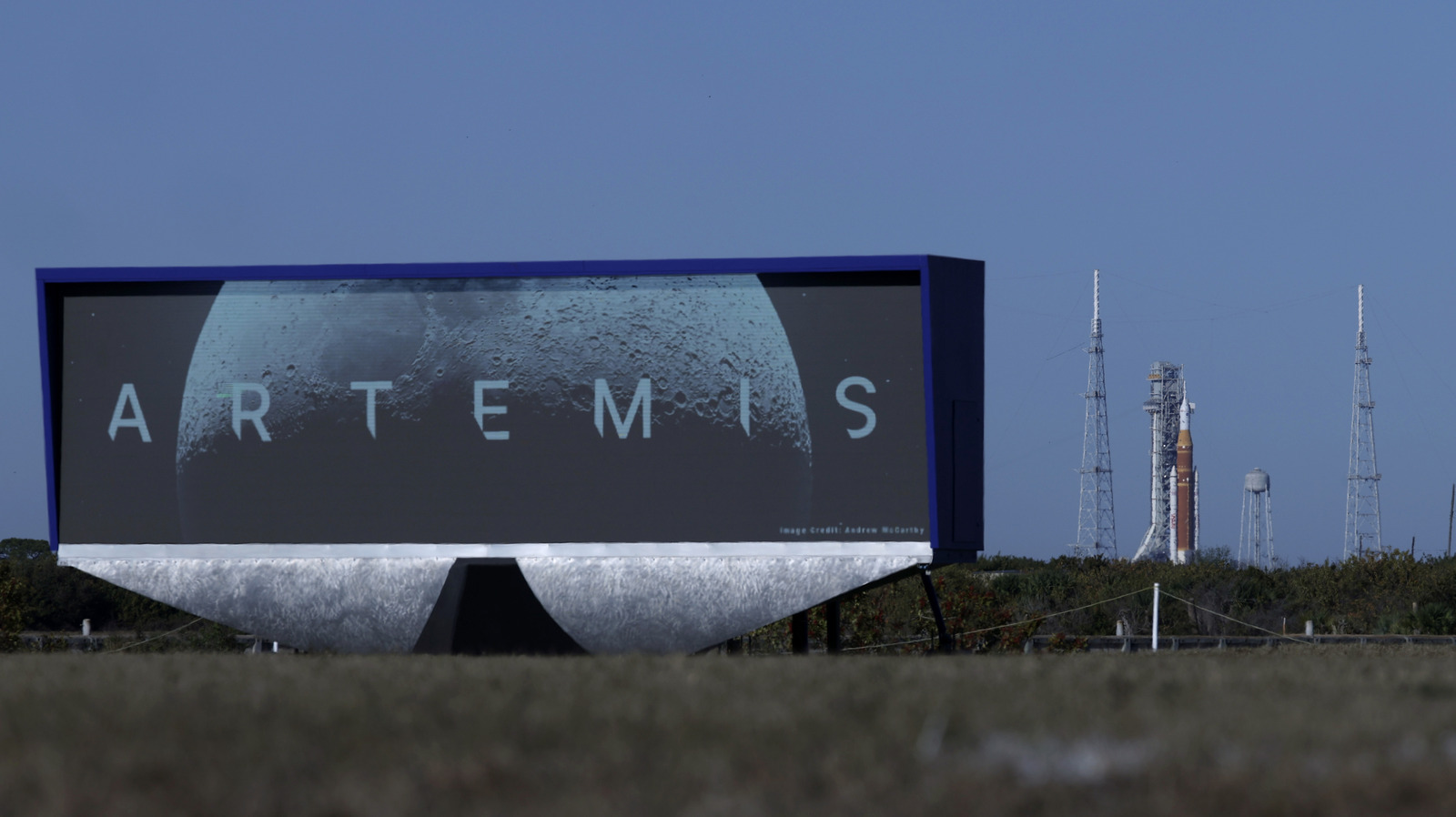
During a wet dress rehearsal that began January 31, 2026, NASA experienced recurring liquid hydrogen leaks in the Artemis II SLS stack that forced engineers to halt propellant flow, end the rehearsal early and move the planned launch from February 8, 2026 to a target in March. The leak echoes problems seen on Artemis I, has introduced additional operational issues (audio and hatch pressurization), and prompted NASA to emphasize safety and readiness before proceeding — raising the risk of further schedule slippage for this crewed lunar mission.
Market structure: Near-term winners are mid-tier defense suppliers (Lockheed Martin LMT, Northrop Grumman NOC, RTX RTX) that stand to receive budget or subcontracting tailwinds if NASA extends schedules and funds remediation; near-term losers are reputation-sensitive primes (Boeing BA) and single-source suppliers tied to SLS hardware. A month-long slip compresses near-term revenue recognition for contractors by an estimated low-single-digit percent (1–4% of quarterly revenue for SLS-related segments) but does not materially change multi-year NASA demand unless political support erodes.
Risk assessment: Tail risks include a high-profile mission failure triggering congressional audits, contract penalties, or multi-year program re-scoping (value-at-risk to a single prime could exceed several billion). Timing matters: immediate (days–weeks) volatility around test reports and March window; short-term (3–6 months) cashflow and order-book reallocation; long-term (12–36 months) potential shift toward commercial launch providers if reliability gaps persist. Hidden dependencies include single-source LH2 handling systems, insurance market repricing, and supplier QA capacity.
Trade implications: Expect elevated implied volatility in BA, moderate in LMT/NOC/RTX; tradeable setups include bearish exposure to BA for 3–6 months and selective longs in LMT/NOC/RTX 6–18 months on funding backstops. Options strategies that sell premium into post-announcement IV spikes (buy puts on BA, call spreads on LMT/NOC) and rotate 2–4% portfolio weight from commercial aerospace into defense/space suppliers are efficient. Key catalysts: NASA test results (next 30 days), congressional appropriations language (next 90 days), contractor earnings calls.
Contrarian angle: The market may overreact to the leak as a systemic program failure; history (post-Challenger, Shuttle delays) shows political pressure typically restores or increases funding to preserve programs, benefiting entrenched primes over the long run. If the March window is missed but no catastrophic failure occurs, short-term weakness in BA could be an asymmetric buying opportunity; conversely, persistent leaks (>2 failed wet dress rehearsals) would materially re-rate single-source suppliers and benefit diversified defense names and commercial launch partners.
AI-powered research, real-time alerts, and portfolio analytics for institutional investors.
Request DemoOverall Sentiment
mildly negative
Sentiment Score
-0.25
