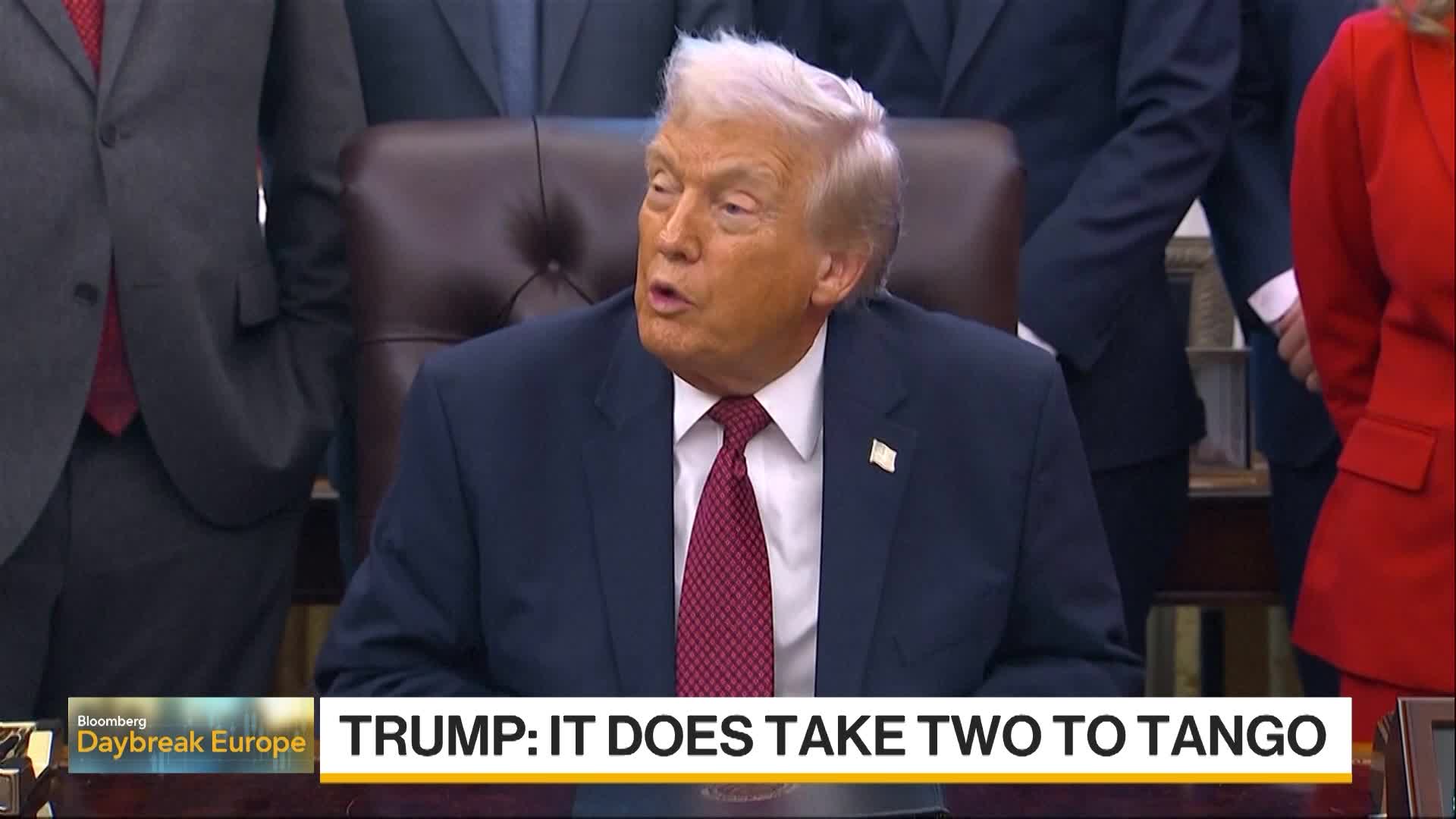
Senior U.S. intermediaries including Jared Kushner and Wyckoff have held talks with Russian contacts and are set to meet a top Ukrainian negotiator in Florida as President Trump leaves open further mediation, but progress remains uncertain after prior inconclusive rounds. Separately, President Putin's visit to India underscores deepening Russia-India trade, energy and defense ties—Indian purchases of Russian oil have surged since 2022—which complicates New Delhi's negotiations with the U.S. over tariffs and could intersect with U.S. sanctions policy. The combination of negotiation uncertainty and potential shifts in Russian energy exports to India presents a modest near-term risk to energy markets and to US-India trade prospects.
Market structure: The immediate winners are Russian hydrocarbon sellers and non-Western refiners (India) capturing discounted crude; secondary beneficiaries are tanker owners (STNG, NAT) who gain from longer/hidden-haul routes and higher time-charter rates. Losers: Indian export-oriented manufacturers and services could face margin pressure from US 50% tariffs and a softer INR, while Western insurers/ship-financiers face compliance frictions. Cross-asset: sustained Russian-to-India flows support Brent/WTI (upside of $5–$15 over 3–12 months if discounts persist), pressure EM FX (INR), and create episodic flight-to-quality into US Treasuries (TLT) on geopolitical spikes. Risk assessment: Tail risks include (A) a major Ukraine escalation sending oil +$20–$50 in weeks, (B) US secondary sanctions on Indian purchases triggering a >5% INR shock and EM outflows, and (C) a breakdown in shipping insurance clearing that halts flows. Near-term (days/weeks) volatility tied to Miami talks and Putin’s India visit; medium-term (3–9 months) is where trade sanctions or tariff adjustments crystallize; long-term (1–3 years) could see re-anchored Eurasian energy corridors reducing European energy leverage. Hidden dependencies: payment rails (rupee/ruple settlements), P&I club coverage, and EU/US policy coordination are single points of failure. Trade implications: Tactical: express energy upside via a 3–6 month WTI call spread (buy CL 3-month $75 call, sell $95 call) sized to 1–2% portfolio; allocate 1–2% to tanker equities (STNG or NAT) as carry on higher charter rates. Defensive/relative: hedge India exposure by shorting INDA via buy 3-month 5% OTM put spreads (cost-limited) sized 2–3%; add 1–2% TLT or long-duration Treasuries as tail-risk hedge. FX: buy USD via UUP (1% position) or buy INR puts if available to protect against >3% INR moves. Contrarian angles: Consensus assumes India will dodge US penalties; that underprices the chance tariffs persist and INDA underperformance — markets may be under-allocating to shipping upside and over-allocating to Indian cyclical growth. Historical parallel: post-Iran sanctions rerouting (2012–14) drove tanker rates 2–3x and kept crude prices elevated for 6–12 months; similar mechanics could replay. Unintended consequence: stronger Russia–India ties may accelerate India’s pivot toward non-dollar settlements, increasing long-term FX fragmentation risk — monitor Brent >$90 or INR move >3% as trade-change triggers.
AI-powered research, real-time alerts, and portfolio analytics for institutional investors.
Request DemoOverall Sentiment
mixed
Sentiment Score
-0.10
