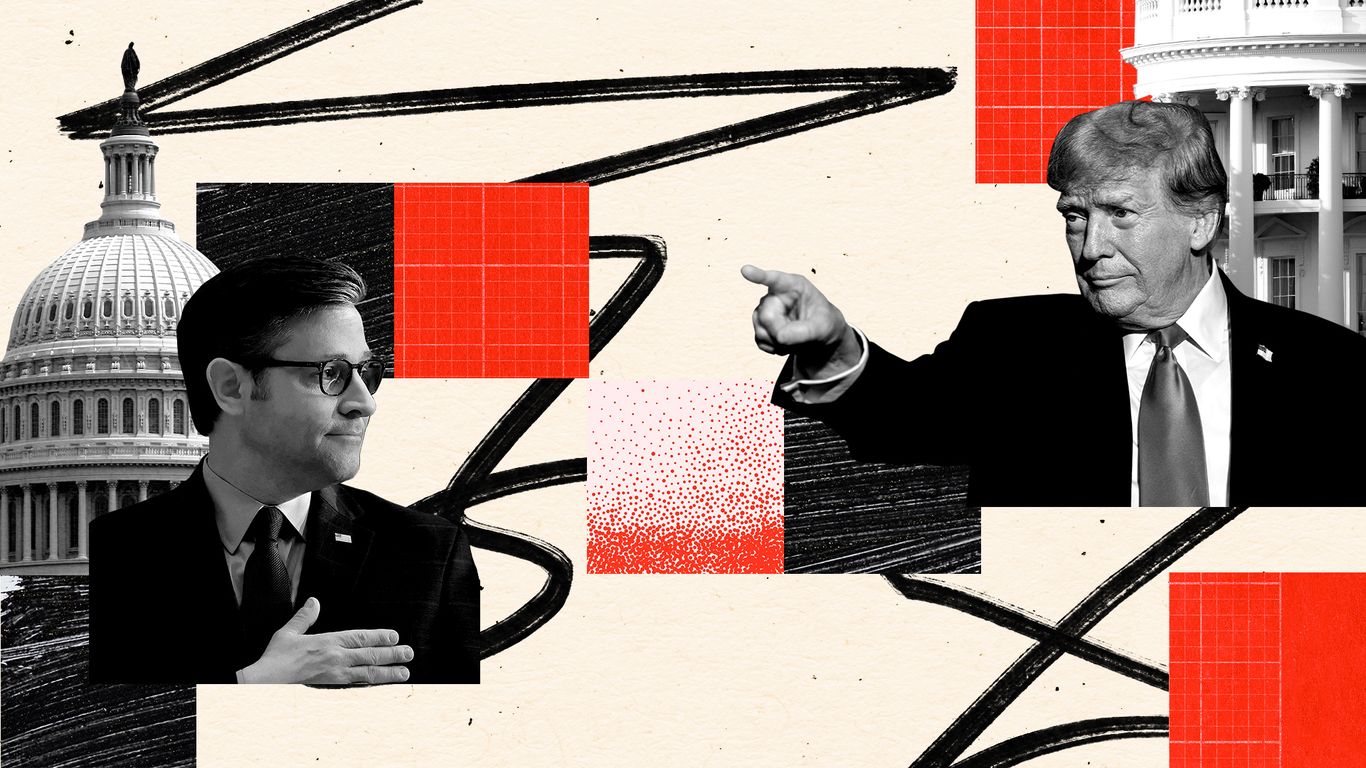
Trump is aggressively intervening in Republican primaries, endorsing 95% of the 217-member House GOP Conference and nearly two-thirds of Senate races to avoid costly intraparty fights ahead of the midterms. He has pressured candidates such as Nate Morris and Hope Scheppelman to exit while backing more electable incumbents, though the strategy has drawn pushback from some MAGA activists. The article is politically significant but has limited direct market impact.
The market implication is not the primaries themselves, but the compression of intraparty volatility. Early, forceful coordination lowers the probability of expensive nomination fights that would otherwise drain cash, depress local turnout, and force national committees to backfill wounded candidates late in the cycle. That is a meaningful tailwind for GOP incumbency odds in marginal districts because general-election spend becomes more efficient when the nominee emerges unified and pre-funded.
The second-order effect is more interesting for policy and sector positioning: if Trump preserves congressional control, he is effectively maximizing governing bandwidth by selecting candidates most likely to survive, not necessarily the most ideological. That should modestly raise the probability of legislative continuity on taxes, defense, energy permitting, and deregulation, while reducing the odds of a post-election intraparty revolt that would paralyze the agenda. The flip side is growing resentment from activist donors and primary voters, which can surface as depressed small-dollar engagement or selective noncompliance in a handful of seats.
The biggest risk is that the strategy backfires in the near term by depressing enthusiasm among the base in races where the endorsed candidate is seen as insufficiently MAGA. That matters more in low-turnout specials and open seats than in presidential-year contests, and it can show up over weeks, not days, through weaker volunteer intensity and softer fundraising conversion. The other tail risk is overreach: if Trump keeps intervening too aggressively, he reduces his leverage with members after the primaries, which could matter later this year if narrow margins force difficult votes.
Contrarian view: consensus may be underestimating how much intra-party discipline can improve House retention at the margin. A few avoided primaries can be worth more than a flashy endorsement because every uncontested month preserves cash and keeps vulnerable candidates on message. The opportunity is not a broad election beta trade; it is a targeted bet on names and sectors that benefit from a higher probability of legislative continuity rather than a deeper ideological swing.
AI-powered research, real-time alerts, and portfolio analytics for institutional investors.
Request DemoOverall Sentiment
neutral
Sentiment Score
0.00
