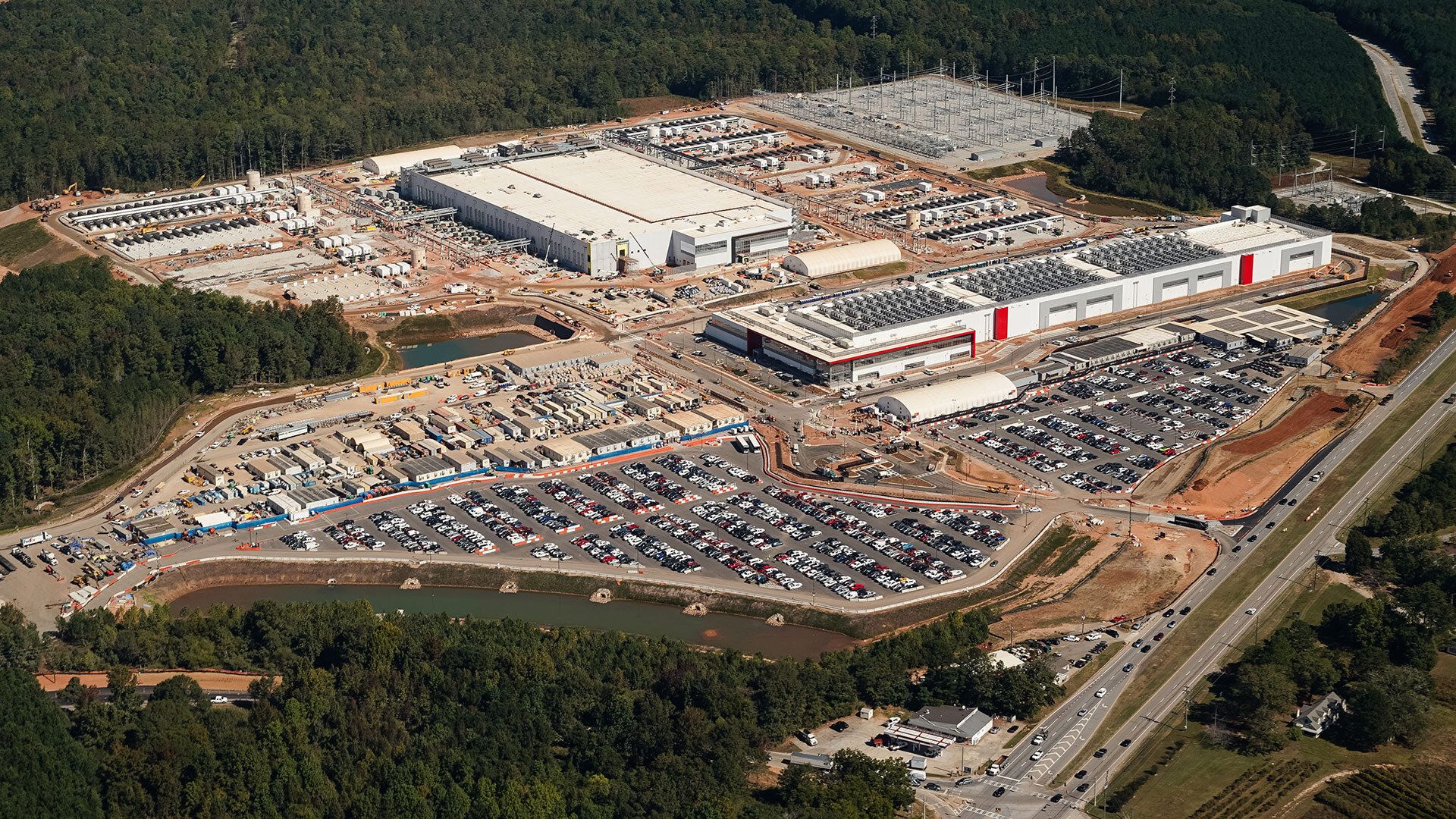
A QTS data center campus in Fayette County, Georgia, used about 29 million gallons of unmetered water over 9 to 15 months before residents reported low water pressure. The county billed QTS $147,474 in retroactive charges but declined to fine the company, citing its status as the county's largest customer. The incident highlights regulatory, infrastructure, and water-use risks tied to large AI/data center buildouts, though the direct market impact is likely limited.
The immediate market read is not “water scandal,” it is permitting friction and operating optionality. For large colo / hyperscale developers, the more important signal is that a high-profile customer can externalize local resource risk until it becomes politically visible, then rely on negotiated remediation rather than penalties. That lowers near-term legal severity, but it raises the probability of slower interconnection, utility scrutiny, and municipal pushback for every new campus in water-constrained markets.
Second-order, the loser is not just the named developer but the broader Georgia data-center ecosystem: local officials now have a template for scrutiny, and neighboring municipalities will likely tighten metering, inspection, and disclosure standards. That should modestly increase carrying costs and schedule risk across development pipelines, especially where sites depend on temporary construction water, cooling make-ready, or ambiguous utility tie-ins. The overhang is less about one invoice and more about the precedent of public-resident activism forcing audit trails into an industry that has relied on speed and opacity.
For BX, this is a manageable reputational issue rather than a balance-sheet event, but it is a reminder that the market underprices entitlement risk in AI infrastructure and overprices “must have” narrative durability. The contrarian point is that the headline gallons are not economically material versus the capex scale, so the direct financial damage is trivial; the real risk is that local resistance compounds into multi-quarter delays and forced redesigns in a business where time-to-power is the asset. If this becomes a pattern, the margin pool shifts from owners/operators toward municipalities, utilities, and engineering firms that can certify compliance and metering from day one.
AI-powered research, real-time alerts, and portfolio analytics for institutional investors.
Request DemoOverall Sentiment
mildly negative
Sentiment Score
-0.25
Ticker Sentiment
