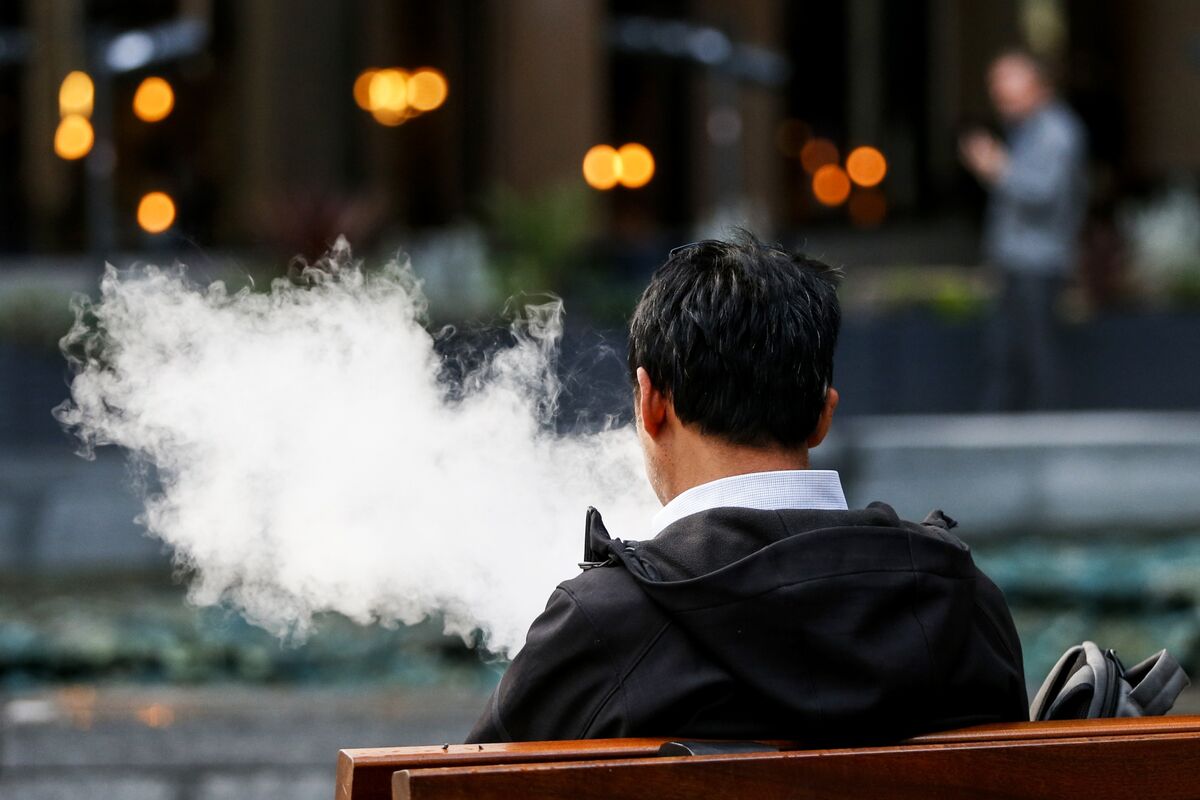
Singapore is significantly escalating its regulatory stance on vaping, with Prime Minister Lawrence Wong announcing the introduction of stiffer penalties, including potential jail time for severe violations. This policy shift reclassifies vaping from a tobacco-related issue to a "drug issue," signaling a much more aggressive enforcement approach and potentially impacting the market for vaping products within the city-state.
Singapore's government is implementing a significant escalation in its anti-vaping policy, moving beyond fines to include the possibility of jail time for severe offenses. The announcement by Prime Minister Lawrence Wong reframes the issue from a tobacco-related concern to a "drug issue," signaling a far more aggressive enforcement and regulatory posture. This policy shift represents a material increase in regulatory risk for any entities involved in the vaping product supply chain within Singapore. While no specific companies were named, this move establishes one of the strictest anti-vaping regimes globally and could serve as a legislative precedent for other countries in the region, potentially creating a chilling effect on the market and increasing compliance burdens for international tobacco and e-cigarette manufacturers.
AI-powered research, real-time alerts, and portfolio analytics for institutional investors.
Request DemoOverall Sentiment
neutral
Sentiment Score
0.00
