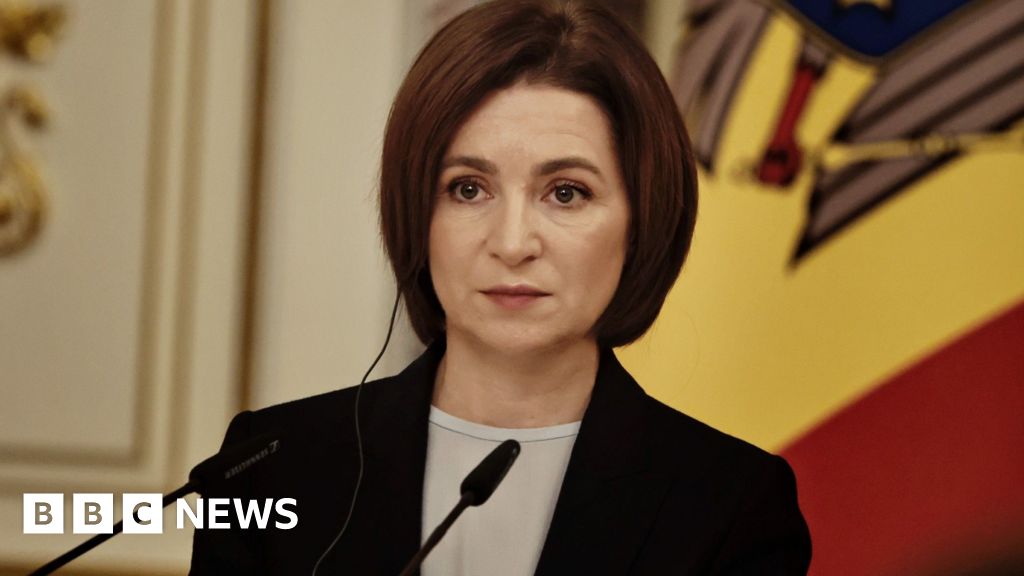
European leaders from France, Germany, and Poland visited Moldova to bolster its EU accession efforts and counter Russia's persistent attempts to undermine its sovereignty, particularly ahead of critical parliamentary elections next month where pro-Russian factions could gain ground. This high-level support aims to solidify Moldova's pro-Western trajectory, which its President Maia Sandu views as essential for national security amidst ongoing Russian interference and the war in Ukraine, especially as her pro-EU party faces potential electoral setbacks.
High-level diplomatic engagement from France, Germany, and Poland in Moldova underscores the escalating geopolitical tug-of-war over the country's future alignment. The visit, timed for Moldova's Independence Day, is a direct countermeasure to what European leaders term Russia's "relentless" efforts to destabilize the nation ahead of critical parliamentary elections next month. The core risk stems from the domestic political landscape; despite strong external backing for President Maia Sandu's pro-EU agenda, her PAS party is projected in polls to lose its parliamentary majority. This potential electoral setback could jeopardize the progress of EU accession talks and reforms, creating significant uncertainty. The situation is framed as a crucial security issue, with Moldova's pro-Western pivot seen as a bulwark against Russian aggression, mirroring the conflict in neighboring Ukraine. While the EU's symbolic support aims to make Moldova's European path "irreversible," the narrow victory in the recent EU membership referendum and persistent allegations of Russian interference highlight the fragility of the current pro-Western mandate.
AI-powered research, real-time alerts, and portfolio analytics for institutional investors.
Request DemoOverall Sentiment
mixed
Sentiment Score
-0.20
