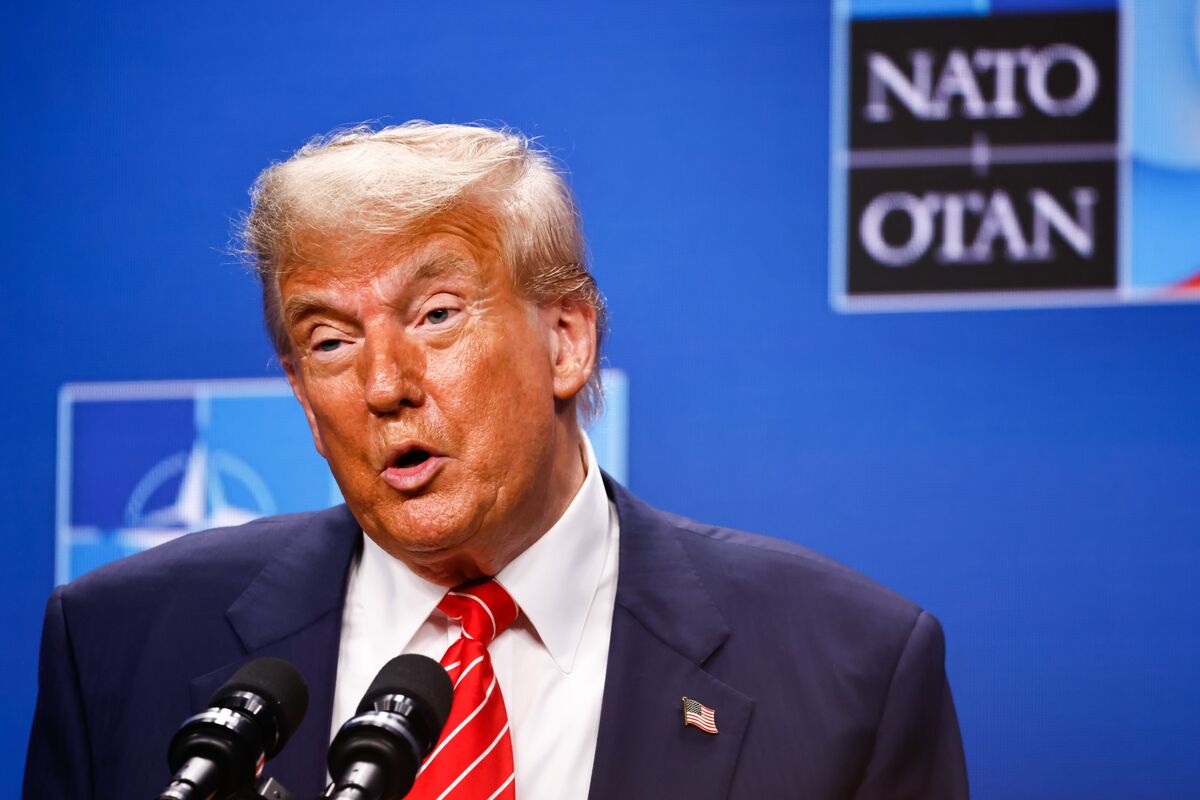
Trump has publicly escalated pressure on NATO and raised the prospect of the US pulling out of the alliance, criticizing allies over Greenland, refusal to allow US use of bases to strike Iran, and reluctance to secure the Strait of Hormuz. An April White House meeting with NATO Secretary General Mark Rutte failed to ease tensions and Trump posted that "NATO wasn't there when we needed them." After a ceasefire with Iran, the US is pushing European partners for concrete commitments to restore freedom of navigation through the Strait of Hormuz, creating heightened geopolitical risk for defense and trade-sensitive sectors.
A forced reorientation of US forward posture (short of a formal treaty exit) creates a concentrated, multi-year demand shock for maritime lift, expeditionary logistics, and near-term ship maintenance/refit capacity. If even 1–3 carrier strike/expeditionary groups are cycled into prolonged independent deployments for 6–24 months, expect spot demand for drydock slots, spare parts and contracted sealift to push utilization rates up 20–40% and delivery lead-times for new hulls and modules by 12–36 months.
Defense procurement will follow posture: small-to-mid tier suppliers that can onshore specialized components (electronics, missile seekers, naval auxiliaries) are the first-order beneficiaries; prime contractors win too but face slower incremental margins as program awards favor expedited, modular buys over multi-year fixed-price development. A realistic tail-risk (formal treaty withdrawal) is low single digits over 12 months but a medium-probability outcome is stepped-up unilateral deployments plus accelerated bilateral basing deals — this drives 6–24 month revenue bumps, not immediate multiyear program resets.
Markets are under-pricing the industrial supply-chain rerouting: accelerated onshoring of maritime/missile subsystems will lift domestic machine shops, specialty fabs and logistics contractors over 2–5 years, while catalyzing EU strategic autonomy efforts that create new competitors for US primes on a 3–7 year view. Watch for short-term volatility around discrete catalysts (executive orders, Congressional funding letters, maritime incidents) but prepare for an uneven, multi-phase procurement cycle rather than a binary “exit” outcome.
AI-powered research, real-time alerts, and portfolio analytics for institutional investors.
Request DemoOverall Sentiment
mildly negative
Sentiment Score
-0.20
