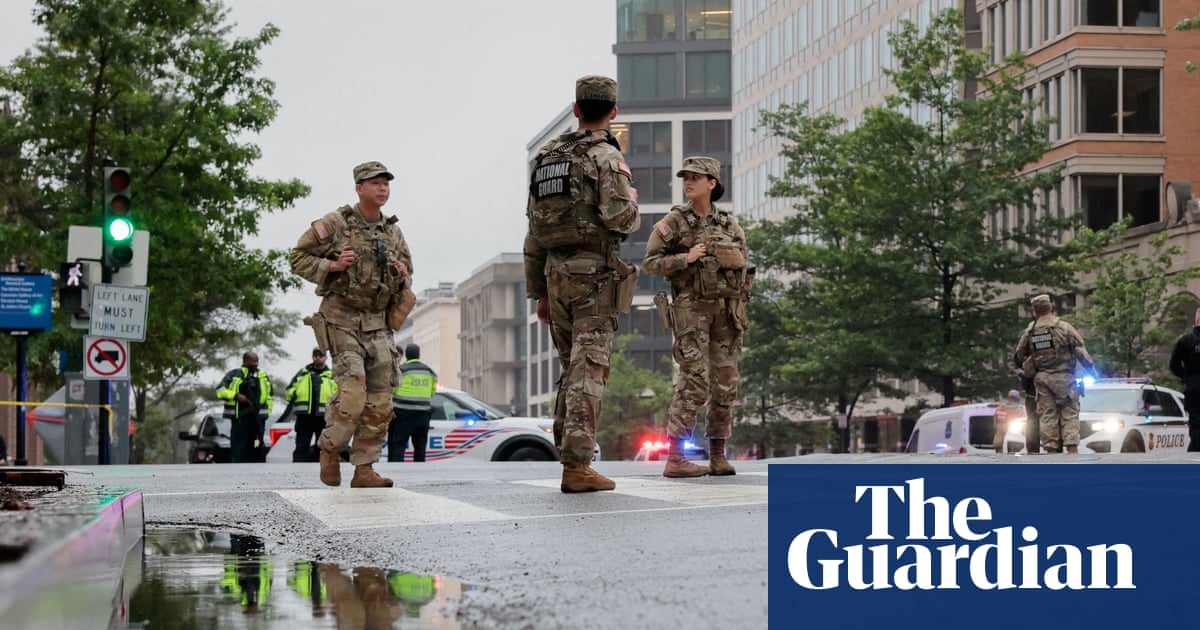
A gunman opened fire outside the White House, prompting a brief lockdown and exchange of gunfire with federal agents; one bystander was struck and the suspect later died. The article says the individual was previously known to the Secret Service, had prior arrests and a stay-away order, and is now part of an FBI-assisted investigation. While the event is serious from a security standpoint, the direct market impact is likely limited.
This is less a direct market event than a regime signal: elevated political-security risk at the center of US governance pushes the tail distribution wider for domestic disruption, especially in an election-sensitive environment. The immediate market read-through is modest, but repeated high-visibility incidents can incrementally raise the premium on federal protective infrastructure, surveillance, perimeter hardening, and emergency response contracts over the next 12-24 months.
The second-order winner is not the obvious defense primes alone, but the ecosystem around physical security modernization: access-control, screening, identity verification, and secure communications vendors that sell to federal, municipal, and critical-infrastructure clients. If agencies interpret this as a process failure rather than an isolated event, procurement urgency can accelerate faster than headline budgets, which tends to favor already-positioned incumbents with existing GSA vehicles and cleared installation capacity.
The harder implication is political: this strengthens the case for spending on “visible security” projects that are easy to message, while crowding out less tangible discretionary items. That can modestly support defense/infrastructure contractors with public-facing security exposure, but it also raises the risk of policy overreaction — more lockdowns, tighter perimeter rules, and higher friction for staffing and visitor access around federal sites, which can slow administrative throughput and add compliance costs. Over days, this is noise; over months, it can become a procurement catalyst; over years, it increases the baseline value of resilient civil-security infrastructure.
Contrarian view: the market may overestimate the durability of any security spend bump because these incidents often trigger a burst of rhetoric without sustained appropriations. The real trade is not on a single headline, but on whether agencies convert fear into multi-year capex and O&M contracts; if not, the opportunity fades quickly and the better risk/reward is in selling volatility once the political reaction passes.
AI-powered research, real-time alerts, and portfolio analytics for institutional investors.
Request DemoOverall Sentiment
strongly negative
Sentiment Score
-0.60
