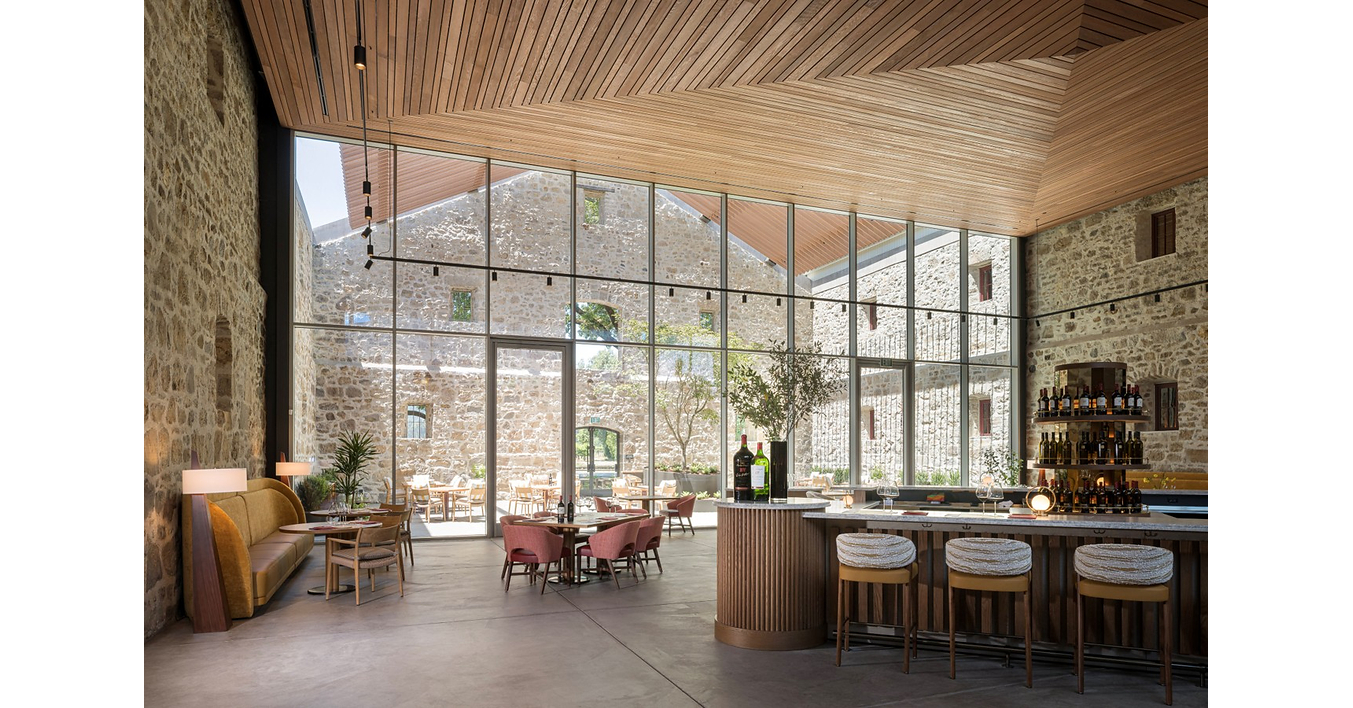
Beaulieu Vineyard is reopening on July 13 a new hospitality center after a two-year, landmark renovation that adds seven tasting spaces and its first dedicated culinary program, with introductory tastings starting at $50 per person and a $300 per person “Time Traveler Experience.” The project also includes sustainability upgrades such as a new solar array generating more than 30% of electricity needs, an all-electric commercial kitchen, and a 99% recycling/repurposing rate for removed materials, targeting carbon neutrality in operations by 2030.
This reads more like brand maintenance capex than a near-term earnings catalyst. For Treasury Wine Estates, the incremental value is not in case volumes but in mix: higher tasting-room conversion, club retention, and better ability to defend price on top-tier Cabernet where a small uplift in DTC/collector sales can outweigh a lot of lower-margin wholesale volume. The stock implication is modest but positive because this is one of the few levers that can expand lifetime customer value without relying on broad consumer recovery.
The second-order effect is competitive positioning within Napa luxury wine tourism. A more polished estate experience can siphon affluent visitors away from similarly priced tasting destinations, especially if it improves conversion to direct purchase and membership. That matters because the winners in a soft wine market are increasingly the brands that own their customer relationship, not just the ones with the best distribution footprint. If this drives even a few hundred basis points of DTC mix improvement, the margin leverage is better than the market likely assumes.
The contrarian risk is that hospitality upgrades are often over-monetized in investor models. Consumers may enjoy the experience but not materially increase repeat spend, and in a weaker discretionary backdrop the payback period can stretch from months to years. The right watch item is not the press release itself but reservation pace, average ticket, club sign-ups, and any commentary on tasting-room yield at the next earnings update. If management does not quantify traffic or DTC conversion gains by the next quarter, the market should fade the narrative.
ESG-related improvements are directionally supportive but not stock-moving on their own. The solar, electrification, and water-efficiency angle mainly reduces regulatory and reputational risk while slightly improving operating resilience; it is unlikely to change valuation unless TWE starts disclosing a meaningful reduction in energy or utility intensity. For CWT, there is no direct read-through unless local water demand becomes a larger policy issue, which this does not yet imply.
AI-powered research, real-time alerts, and portfolio analytics for institutional investors.
Request DemoOverall Sentiment
mildly positive
Sentiment Score
0.20
Ticker Sentiment
