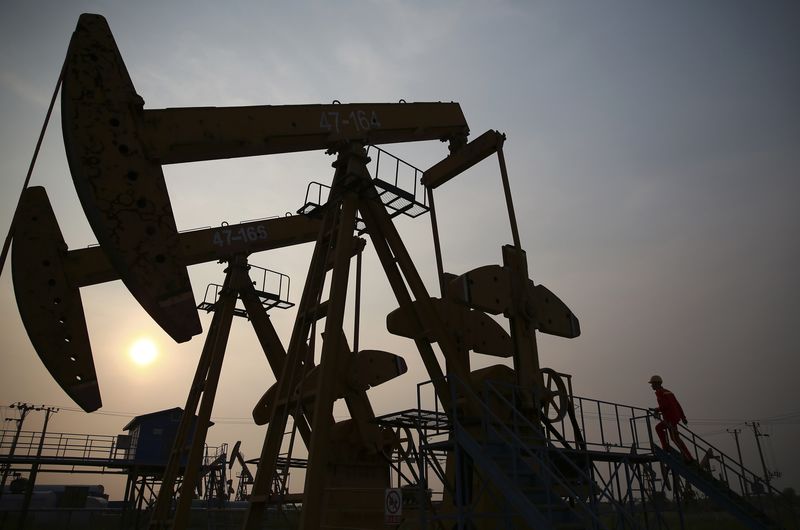
Equities eked out gains as markets positioned ahead of the U.S. Personal Consumption Expenditures (PCE) inflation report amid strong Fed-cut odds; futures price a high probability of a 25bp cut at next week’s meeting. Oil held near recent levels with Brent at $63.15/bbl and WTI at $59.30/bbl after geopolitical risk—stalled U.S.-Russia talks and recent Ukrainian strikes—kept a supply-risk premium, while U.S. labour data showed weekly jobless claims at 191,000 and a private payrolls print of -32,000, underscoring a mixed growth/inflation backdrop that will influence policy expectations and positioning.
Market structure: Near-term winners are US and international upstream producers (XOM, CVX, EOG) and energy-focused ETFs (XLE) as a sustained Ukraine risk premium supports $60–65/bbl oil; losers include rate-sensitive banks (KRE) if markets price earlier Fed easing and compress net interest margins. Competitive dynamics favor producers with low breakevens and diversified export routes; refiners' margins are conditional on crack spreads and may lag if crude stays range-bound. Cross-asset: a higher oil risk premium with an easing-rate narrative compresses real yields (Treasury 2–10s), weakens the dollar and boosts EM FX; equity vols may fall unless PCE surprises, while commodity vols rise.
Risk assessment: Tail risks include (1) a major Ukraine escalation triggering $10+/bbl spike within days, (2) an unexpectedly hot PCE print that removes a September cut and sparks 50bp repricing in 2–5 sessions, and (3) OPEC+ coordinated cuts. Immediate catalysts are the PCE release (next 48 hours) and any OPEC+/Ukraine headlines in the next 2–6 weeks; medium-term (3–6 months) hinge on Fed action and winter demand in Europe/China. Hidden dependencies: US inventory draws, China mobility/GDP data, and holiday jobless noise can flip positioning quickly.
Trade implications: Tactical: establish a 2–3% long position in XLE (target +10–15% in 3 months, stop -6%) and a 1% long in CVX for balance-sheet resilience. Options: buy a 2-month WTI call spread (e.g., $65/$75) sized to 0.5–1% portfolio risk to capture upside while capping premium. Relative: pair long XLE (2%) vs short XLK (1.5%) to play rotation into cyclicals if PCE prints dovish and yields fall.
Contrarian angles: Consensus leans toward a Fed cut and sticky oil; markets underprice the risk that stronger PCE or quick Ukraine de-escalation could produce opposite moves. If core PCE prints >0.3% MoM, expect a 25–50bp repricing within 72 hours—short-term dislocations will create entry points in quality tech (SMCI) and cyclical buybacks. Conversely, an escalation-driven oil shock could pressure consumption and force a rethink of Fed timing, amplifying stagflation risks over 3–12 months.
AI-powered research, real-time alerts, and portfolio analytics for institutional investors.
Request DemoOverall Sentiment
mildly positive
Sentiment Score
0.25
Ticker Sentiment
