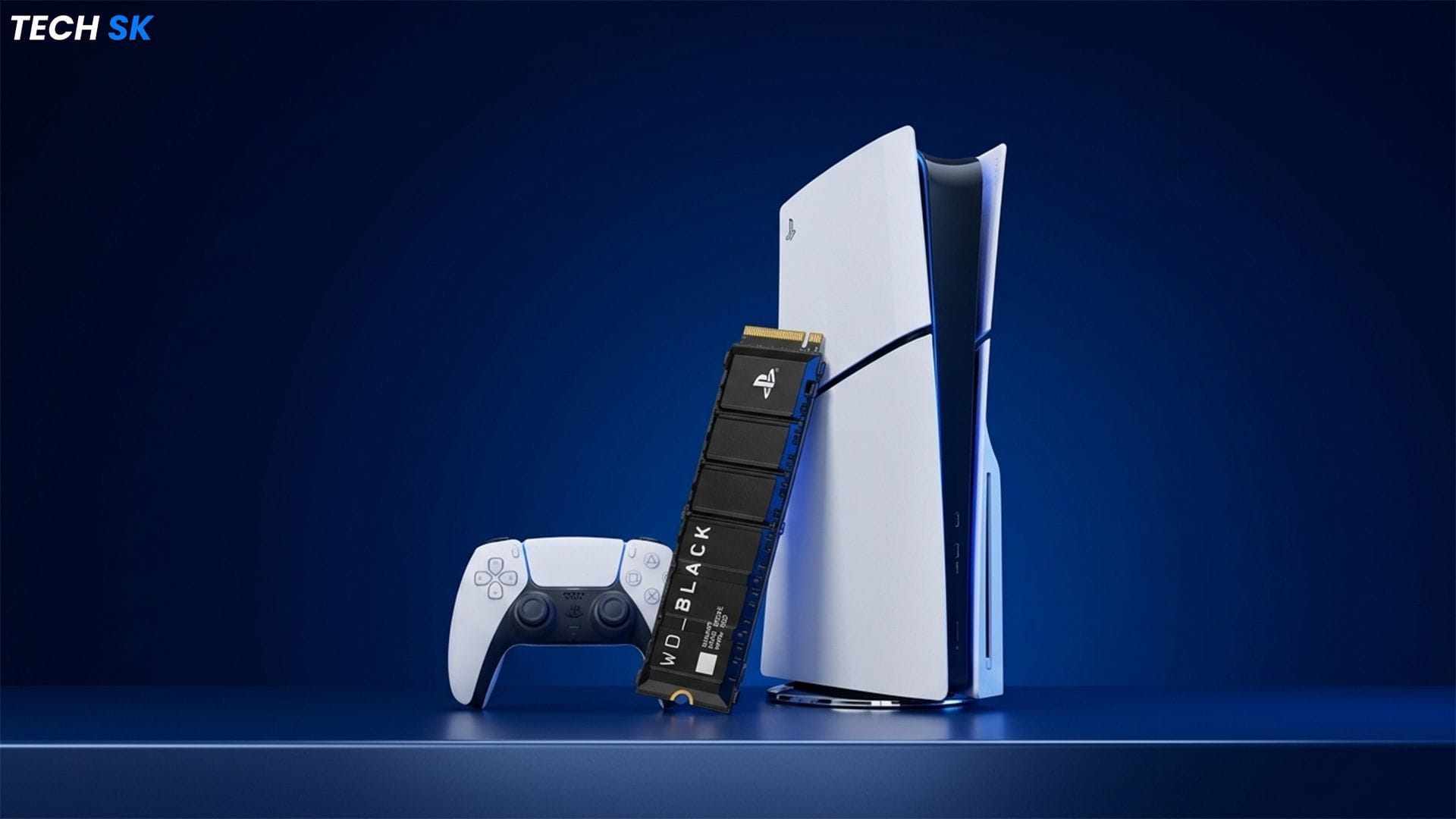
Leaks suggest Sony's PS6 could use PCIe Gen5 NVMe storage with 14.9 GBps read speed and 14 GBps write speed, versus about 5.5 GBps on the PS5, implying roughly a 170% speed increase. The article also points to AI-driven frame generation, revamped social apps, and a 2027 launch window. Overall, the piece is speculative but positive for Sony's next-gen console positioning and gaming experience.
The near-term market read-through is less about console unit economics and more about option value in the adjacent stack. If Sony really shifts a flagship platform toward PCIe Gen5-class throughput and heavier AI-assisted rendering, the incremental beneficiary is the semiconductor ecosystem enabling bandwidth, storage controllers, and inference-adjacent tooling; that is where the market can re-rate on narrative long before the console ships. For SONY, this is a multi-year sentiment tailwind rather than a 2026 earnings driver, but it does strengthen the case for higher attach-rate expectations in premium software, subscriptions, and digital content.
The second-order winner is NVDA only if the rumor resolves into a broader developer workflow anchored to CUDA-like tooling and on-device ML pipelines. That said, the direct financial impact to NVDA is likely immaterial versus the stock’s scale; the real tradeable implication is continued reinforcement of AI-as-default architecture across entertainment hardware, which supports multiple expansion, not revenue inflection. The more nuanced upside is for lesser-known storage, memory, and contract manufacturing names that would need to absorb a much tighter performance envelope and may benefit from design wins as the ecosystem retools.
The market’s biggest miss is timing: even if the spec sheet is directionally right, the earnings impact lands years out, while hype can compress into a short-lived sentiment burst around official teases or developer-event leaks. The contrarian risk is that consumers care more about price than speed past a certain threshold, and any aggressive bill-of-materials increase could force Sony to choose between margin and adoption. If launch pricing comes in too high, the ‘best-in-class hardware’ thesis becomes a delayed, not immediate, equity catalyst.
Net: this is bullish for platform perception, but the trade is likely better expressed as a relative-value long in SONY versus hardware peers exposed to weaker premium-cycle narratives, rather than an outright directional call on a 2027 product rumor.
AI-powered research, real-time alerts, and portfolio analytics for institutional investors.
Request DemoOverall Sentiment
mildly positive
Sentiment Score
0.35
Ticker Sentiment
