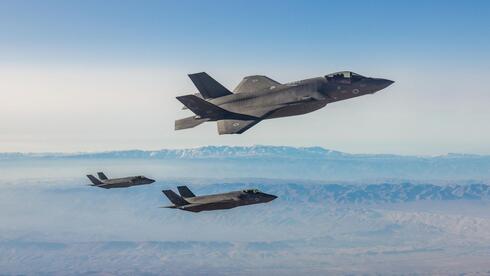
Defense Minister Israel Katz warned the intensity of IDF and U.S. strikes against Iran’s leadership and infrastructure will 'rise significantly' this week; the IDF reported an Israeli fighter jet was targeted by an Iranian surface-to-air missile (no damage) and that at least four Hezbollah fighters were killed in southern Lebanon. The IDF also struck Hezbollah command centers in Beirut, signaling an escalation across multiple fronts. Elevated regional hostilities increase risk-off sentiment and are likely to widen regional risk premia and boost volatility in oil and other macro-sensitive assets.
Probability of a stepped-up kinetic campaign in the near term increases risk premia across oil, insurance, and regional credit; expect a knee-jerk risk-off move in equities with safe-haven flows into gold and Treasuries over the next 48–72 hours and a more persistent re-rating for defense and energy over 1–3 months. If shipping lanes or major infrastructure are threatened, market-implied Brent volatility could reprice higher by 6–12 vols in a 7–14 day window, translating to a $5–15/bbl swing in spot oil in the short run.
Defense primes and munitions suppliers are the direct beneficiaries through both revenue and backlog expansion, but the less obvious winners are component suppliers with short lead times and standing military contracts — these firms can ramp sales within 3–9 months and will see disproportionate EBITDA leverage. Conversely, commercial aviation and regional trade flow participants face outsized operational cost increases from rerouting and insurance – expect freight and tanker insurance spreads to widen 20–50% within weeks, pressuring smaller shippers and logistics providers.
Key catalysts and tail-risks: near-term price action will be driven by discrete incidents (aircraft losses, strikes on energy infrastructure) that can move markets within hours; sustained trend depends on political signals (US diplomatic restraint, back-channel Iran negotiations) and domestic pressures in sponsors’ capitals which could normalize tensions over 1–3 months. The true tail is a wider regional conflagration — low-probability but extreme-payoff — that would reprice defense equities, oil, and safe-havens across years rather than weeks; a visible de-escalation signal (ceasefire, negotiated withdrawal, or major confidence-building steps) would likely reverse ~50–70% of the initial risk premia within 2–6 weeks.
AI-powered research, real-time alerts, and portfolio analytics for institutional investors.
Request DemoOverall Sentiment
strongly negative
Sentiment Score
-0.70
