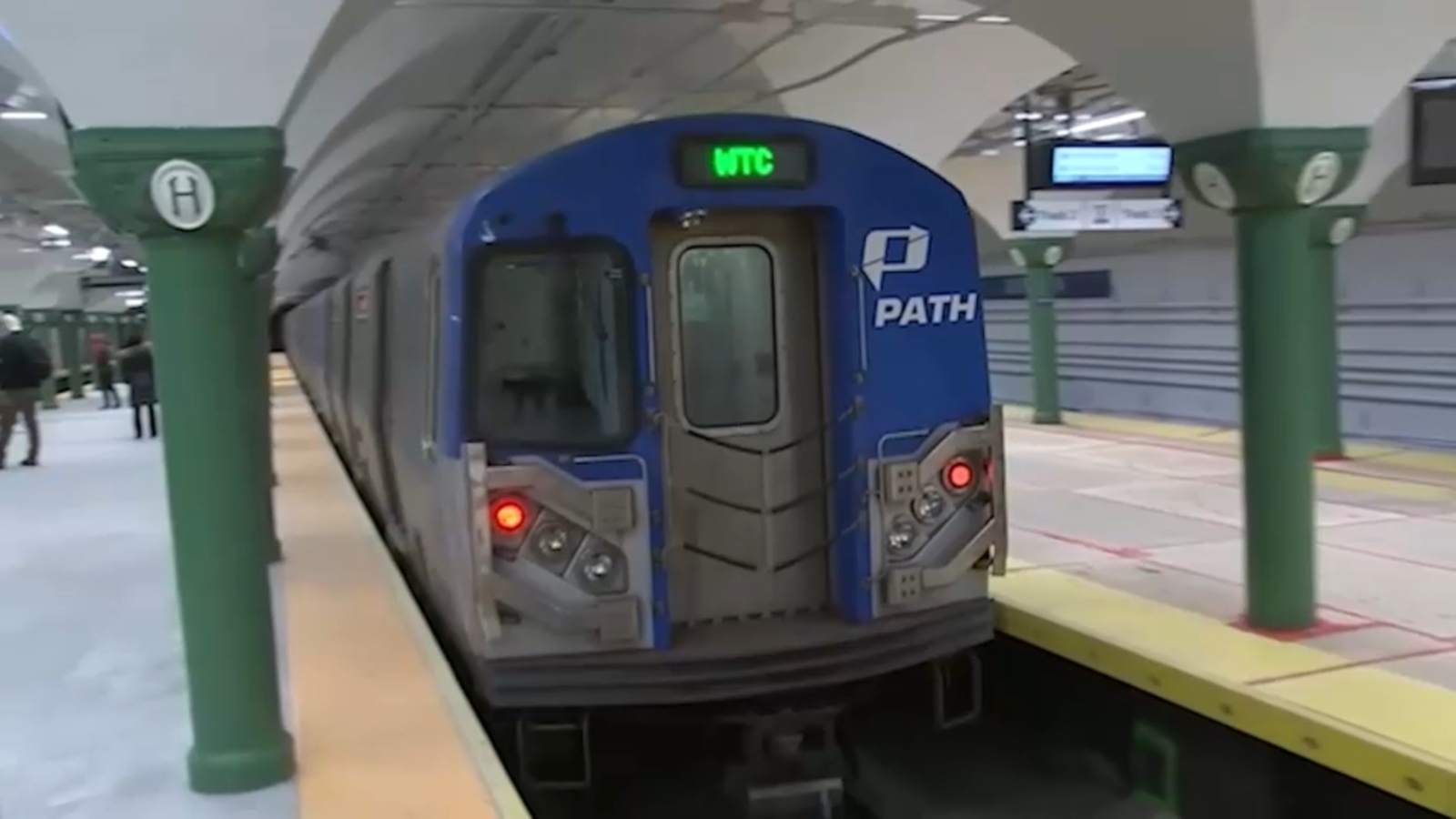
The Port Authority of New York and New Jersey approved a 10-year, multi‑billion dollar capital plan that raises bridge and tunnel tolls 3% starting in January and phases out E‑ZPass off‑peak discounts; PATH fares will rise from $3 to $4 by 2029 in annual $0.25 increments beginning next spring. The authority is allocating roughly $2 billion for PATH system improvements as part of a broader $45 billion capital program, and will double airport rideshare entry fees from $2.50 to $5 next year. The measures are intended to fund expanded service and infrastructure refurbishment (track restoration, anti‑evasion gates), but will increase commuter and rideshare operator costs and may modestly weigh on local consumer mobility and operating margins for drivers.
Market structure: The Port Authority’s 10-year, $45bn plan and immediate 3% toll hike signal a credible, multi-year revenue stream to finance heavy local capex (>$2bn for PATH alone). Winners: regional construction/materials suppliers and engineers (steel, aggregates, Jacobs/AECOM type contractors) as sustained demand lifts utilization and pricing over 12–36 months; losers: marginal commuter discretionary spend and rideshare economics near airports where fees double. Pricing power shifts toward contractors and materials suppliers; transit ridership elasticity (if down >5–10%) is the key constraint on fare-driven revenue.
Risk assessment: Tail risks include a larger-than-expected post-COVID ridership decline (>15%) forcing further toll/fare hikes or service cuts, major project cost overruns that hit Port Authority bond covenants, or state/legal pushback on airport surcharges within 6–12 months. Short-term (days–weeks) market moves will be muted; medium (3–12 months) sees re-rating of local construction names as RFPs are awarded; long-term (1–10 years) favors materials cyclicals if capex is executed. Hidden dependency: continued office-return rates—if remote work persists, elasticity could materially depress fare revenue and project justification.
Trade implications: Direct equities: overweight US steel/aggregates and select contractors with NY/NJ exposure for a 12–36 month holding period; underweight or hedge rideshare names into airport-fee effectiveness (next 9–18 months). Use options to express asymmetric views: call spreads on contractors around known RFP/bond issuance windows; puts on high-beta rideshare/consumer discretionary names before fee implementation. Cross-asset: anticipate modest widening of Port Authority bond spreads in stressed scenarios—buy protection or favor liquid muni funds with shorter duration if credit risk rises.
Contrarian angles: Market may underprice localized materials demand — a $45bn metropolitan program can move regional steel/aggregate demand by mid-single digits vs national baselines over 2–3 years. Conversely, consensus that rideshare loses volume may be overdone: Uber (UBER) can pass costs to riders partly, so prefer targeted short on LYFT (higher driver-leverage). Watch for political reversals (public outcry could force fee rollbacks within 6–12 months) which would flip trades; size positions accordingly and tie to concrete milestones (bond issuance, RFPs, ridership data).
AI-powered research, real-time alerts, and portfolio analytics for institutional investors.
Request DemoOverall Sentiment
mildly negative
Sentiment Score
-0.25
