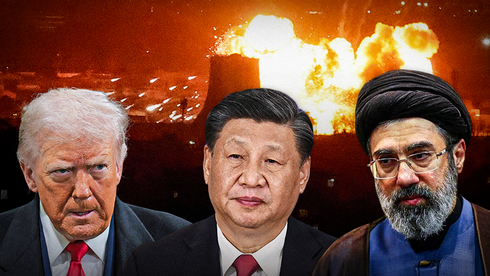
The article centers on U.S.-China-Iran tensions, with reports that Chinese companies discussed transferring weapons to Iran via third countries and claims from Israeli and Iranian officials about Chinese support for Iran. Tehran is also escalating demands, threatening higher uranium enrichment up to 90% and renewed confrontations with the United States. While no confirmed transfer is reported, the geopolitical risk backdrop remains elevated and could affect sanctions, defense, and regional risk sentiment.
The market implication is not the headline diplomacy risk itself, but the creep in perceived secondary sanctions exposure across the China-to-Iran logistics chain. If intelligence collection is even partly right, the first-order pressure falls on lower-visibility intermediaries: freight forwarders, insurers, commodity traders, and state-linked manufacturers that rely on opaque routing through Africa and the Gulf. That tends to widen spreads in small-cap Chinese industrials and raises the probability of selective enforcement actions rather than a broad China selloff.
The bigger second-order effect is on missile-defeat and maritime security beneficiaries. Any incremental signal that Iran can source components outside direct state-to-state channels supports a higher baseline for defense procurement, naval ISR, and port-security spending over the next 6-18 months. It also increases the odds that policymakers treat the Strait of Hormuz as a live tail risk rather than a rhetorical one, which is positive for energy transport security names and negative for regional shipping/insurance risk appetite.
The contrarian read is that this may be more leverage in negotiation than evidence of an imminent supply surge. Beijing has incentives to preserve deniability while extracting concessions from Washington, so the practical result may be tighter sanctions screening and fewer visible flows, not a sudden escalation. The market is probably underpricing the chance that the response is administrative and incremental rather than kinetic, which caps near-term beta impact but supports a slow-burn bid in defense and cyber/export-control enforcement beneficiaries.
AI-powered research, real-time alerts, and portfolio analytics for institutional investors.
Overall Sentiment
mildly negative
Sentiment Score
-0.30
Ticker Sentiment
