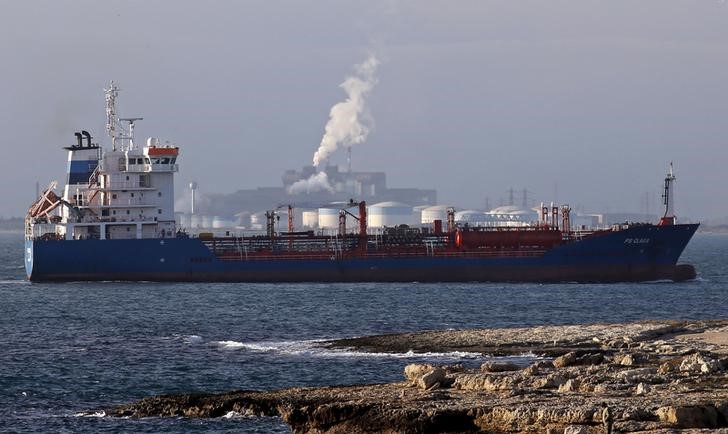
An India-linked tanker carrying 45,000 tons of LPG is attempting a high-stakes transit through the Strait of Hormuz, the first observed exit by an India-linked vessel since a U.S. blockade on Iran-tied shipping. The shipment, purchased by Indian Oil Corp., could provide temporary relief to India’s LPG shortage, where domestic production has risen 60% to 54,000 tons but still trails daily consumption of about 80,000 tons. The move highlights ongoing supply-chain and geopolitical risk in a critical energy corridor with implications for fuel availability and inflation.
The real market signal here is not the individual tanker movement but the re-pricing of friction across the entire Gulf energy logistics stack. When one corridor becomes intermittently impassable, the marginal winner is not just the cargo owner but anyone with available non-Hormuz routing optionality: Indian downstream players with diversified inventories, non-Middle East LPG exporters, and tanker operators with modern fleets that can command higher day rates as charterers scramble for contingency liftings. The loser set is broader than crude/LPG consumers — it includes import-dependent Asian utilities, chemical producers, and any EM economy where cooking fuel or industrial feedstock inflation bleeds into headline CPI within weeks.
This is a short-horizon event with medium-horizon policy consequences. In the next 1-3 weeks, the key variable is whether more shipments clear via diplomatic carve-outs; if yes, the market will fade the spike, but if no, freight, insurance, and regional product differentials can gap again on each disruption headline. Over 1-3 months, persistent bottlenecks would tighten the delivered-cost spread between Middle East supply and alternate supply sources, effectively subsidizing Atlantic Basin barrels and LPG while compressing margins for Indian refiners and distributors unless they can pass through price increases quickly.
The contrarian read is that the market may be underestimating how much of this is a logistics problem rather than a pure commodity shortage. If the supply is there but the route is constrained, headline energy prices can be less predictive than shipping insurance, vessel availability, and inventory days-of-cover; that tends to create faster, cleaner trades in transport and freight than in outright oil beta. The risk is a sharp de-escalation or a successful temporary transit regime, which would unwind the premium quickly and punish crowded geopolitical longs.
AI-powered research, real-time alerts, and portfolio analytics for institutional investors.
Request DemoOverall Sentiment
mildly positive
Sentiment Score
0.15
Ticker Sentiment
