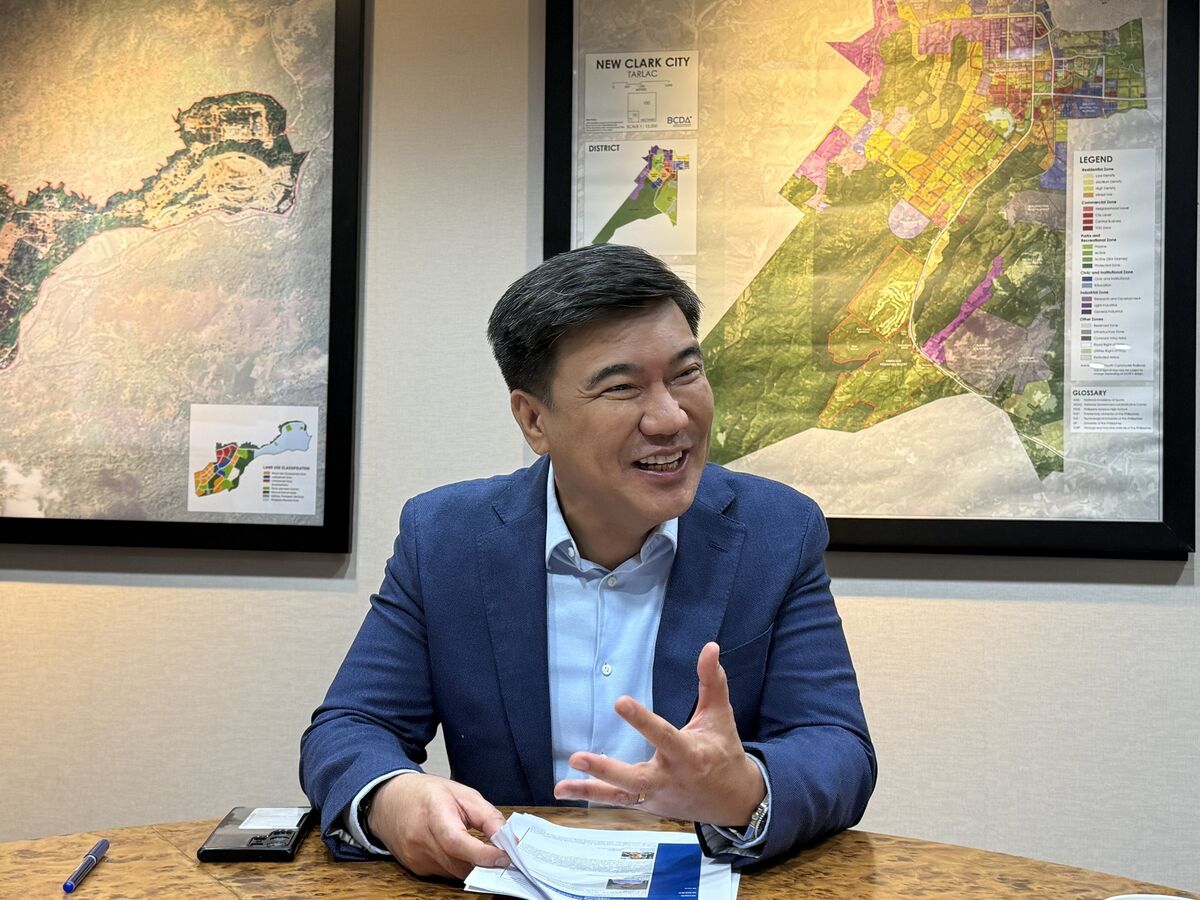
A US-backed AI hub in the Philippines could attract an initial $10 billion in investment, with officials pitching the 4,000-acre site as a Silicon Valley-like destination for high-end technology and other firms. The project may support the Philippine economy at a time of war-related pressure and could become a broader investment magnet beyond the initial capital commitment.
This is less a single-project headline than a signal that Southeast Asia is being repositioned as a compute-and-defense-adjacent allocation target. If capital starts with data centers, power, logistics, and secure network infrastructure, the first beneficiaries are likely not local software winners but industrials, utilities, tower operators, and construction firms with permitting leverage; the real economic multiplier comes later, once hyperscalers and chip-adjacent vendors see a de-risked ecosystem. The second-order effect is that the Philippines could capture supply-chain spillover from Singapore/Malaysia as firms seek lower-cost capacity with geopolitical diversification.
The market may be underestimating execution risk: AI hubs are capital-intensive but bottlenecked by power availability, land conversion, and bureaucratic friction, so the gap between announcement and spend can be 12-36 months. That timing matters because the near-term trade is on expectations rather than cash flow, and any deterioration in regional security, FX stability, or policy continuity would quickly compress the multiple applied to the story. Conversely, if the US is effectively underwriting the project’s credibility, this could crowd in allied capital and lower the perceived sovereign risk premium for broader Philippine infrastructure.
Contrarian angle: the biggest winner may be incumbent Asian data-center hubs that can absorb demand faster today. Investors should not assume a greenfield AI city automatically displaces established locations; in the next 6-18 months, hyperscalers will still favor jurisdictions with existing power, subsea cable density, and permitting certainty. That means the trade is more about option value on future capacity than immediate earnings, and the risk/reward is best expressed through staged exposure rather than outright thematic euphoria.
AI-powered research, real-time alerts, and portfolio analytics for institutional investors.
Request DemoOverall Sentiment
moderately positive
Sentiment Score
0.45
