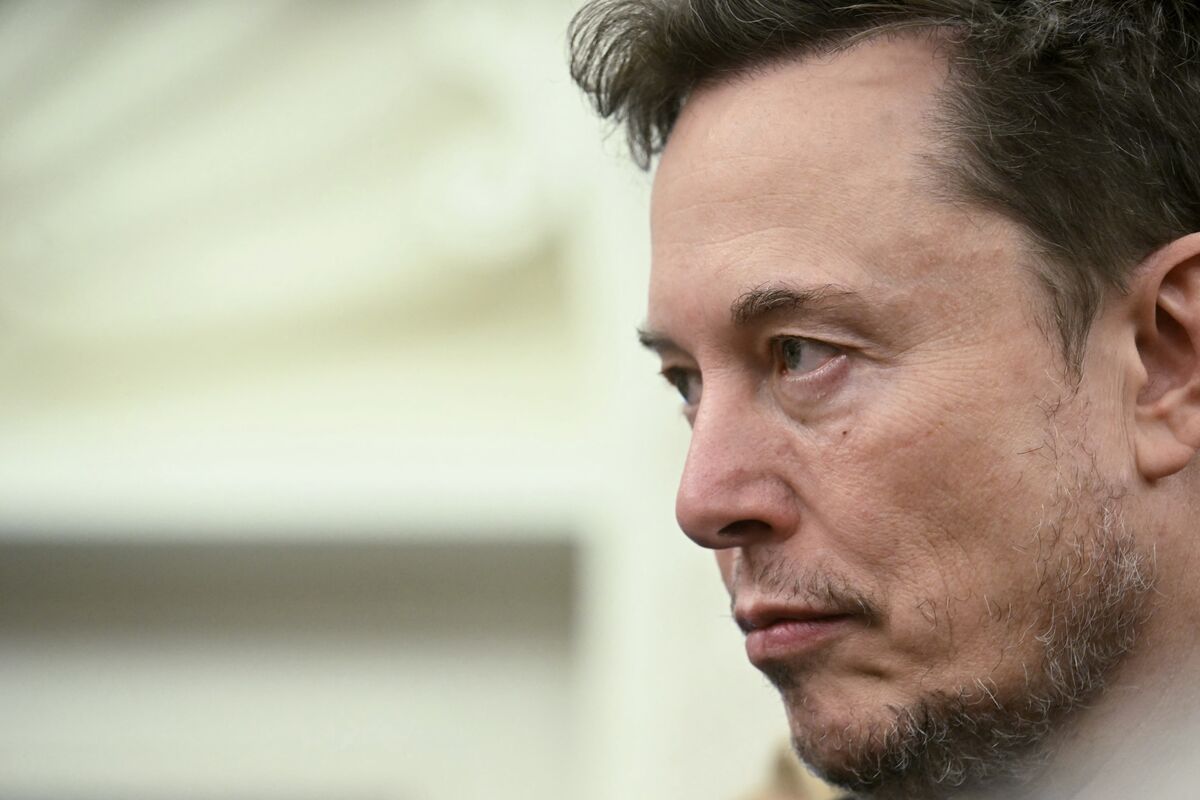
Elon Musk's departure from his government efficiency role follows a period of drastic cost-cutting measures, leaving agencies like the National Institute for Occupational Safety and Health strained and research projects, such as a virtual reality miner training program, facing potential termination due to funding concerns.
Elon Musk's departure from his role leading the 'Department of Government Efficiency' (DOGE) is reported to be creating significant operational challenges within affected government agencies. A 'drastic cost-cutting campaign' initiated under his tenure has left agencies, such as the National Institute for Occupational Safety and Health (NIOSH), with 'strained workers' and jeopardized research projects. Notably, a virtual reality program at NIOSH, designed to train miners for emergency situations, now faces potential termination due to funding uncertainties directly linked to these efficiency measures and Musk's exit. The overall sentiment surrounding these developments is 'strongly negative' (-0.8), reflecting concerns about the stability and future of initiatives within these agencies, although the direct market impact is assessed as low (0.1), suggesting limited immediate contagion to broader markets.
AI-powered research, real-time alerts, and portfolio analytics for institutional investors.
Request DemoOverall Sentiment
strongly negative
Sentiment Score
-0.80
