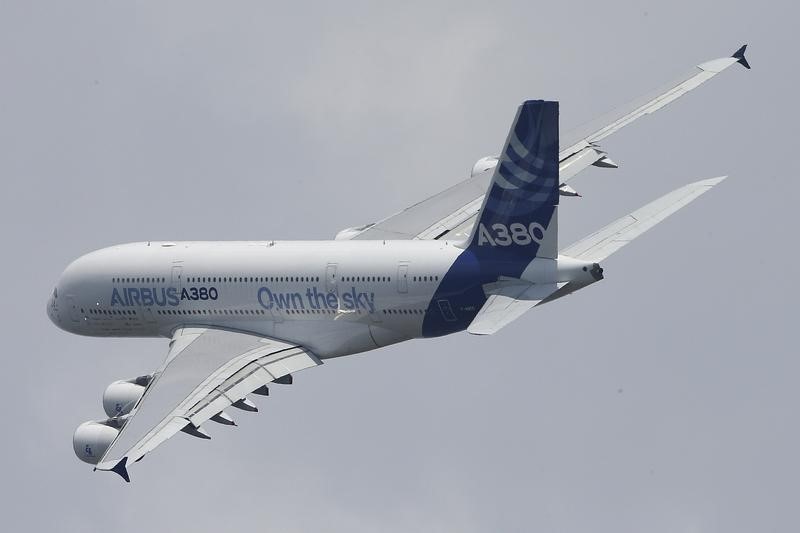
EASA ordered urgent inspections on 16 Airbus A380 aircraft after cracks were found in wing spars that could affect structural integrity; five planes must be checked before next flight and the rest within 25 flight cycles. Fifteen of the affected jets are operated by Emirates and one by Qantas, while Airbus said it is supporting inspections on a smaller group with similar operating histories. The issue is contained but creates operational and maintenance risk for Airbus and affected airlines.
This is less about one aircraft type and more about a reminder that the premium widebody supply chain is structurally aging just as airlines are trying to sweat assets harder. The immediate commercial loser is the operator base with the highest utilization and least flexibility on substitutions; the second-order winner is OEM aftermarket/service capture, because every structural inspection or repair becomes a high-margin maintenance event and tends to pull forward MRO demand across comparable fleets. For Airbus, the equity impact is usually limited unless findings broaden into a design-class issue, but the reputation risk can spill into future widebody ordering decisions if the market starts to discount durability rather than backlog quality.
The key catalyst window is days to weeks, not months: the market will care most about whether inspections are isolated or reveal a larger population with similar operating histories. If the inspection scope widens, expect temporary lift in lease rates and spare-aircraft demand, particularly for long-haul routes that cannot easily upgauge or swap in narrowbodies. That creates a subtle benefit for lessors with diversified widebody exposure and MRO names with composite/structural repair capabilities, while pressuring airline operators on both operating cost and schedule reliability.
The contrarian read is that this is probably not a broad thesis breaker for Airbus unless cracks appear in a materially larger cohort. The headline risk can overstate fundamental downside because the A380 is a shrinking installed base with limited relevance to future earnings power, so any selloff in AIR on this news alone would be more about sentiment than cash flow. The bigger issue is whether regulators and customers infer that other in-service legacy platforms may face similar life-extension scrutiny, which would make this a sector-wide maintenance cost story rather than a one-off Airbus issue.
AI-powered research, real-time alerts, and portfolio analytics for institutional investors.
Request DemoOverall Sentiment
mildly negative
Sentiment Score
-0.20
Ticker Sentiment
