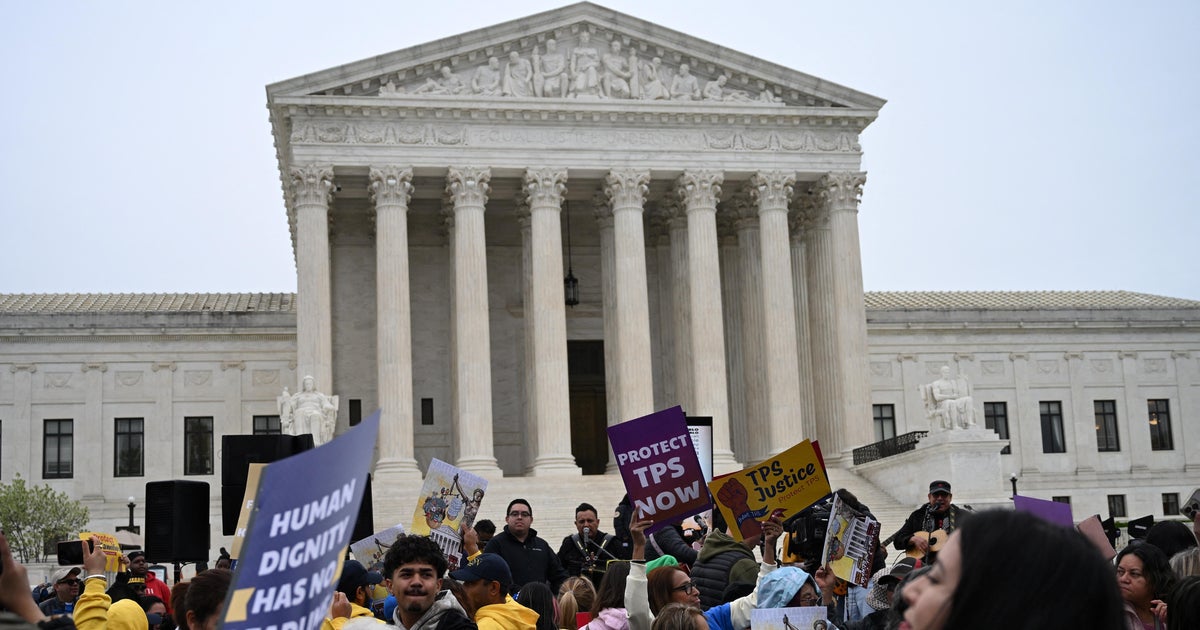
A federal judge blocked the Trump administration from ending Temporary Protected Status for more than 2,800 Yemeni nationals, keeping deportation protections in place while the lawsuit proceeds. The ruling found DHS likely violated congressionally mandated review procedures when it moved to terminate TPS for Yemen, which had been extended multiple times since its 2015 designation amid civil conflict and humanitarian crisis. The decision is legally significant but likely limited in immediate market impact.
This ruling is less about Yemen specifically and more about judicial friction around executive discretion in immigration enforcement. The second-order effect is that DHS now has to litigate on a compressed clock while preserving a broader policy agenda, which increases the odds of uneven implementation across other TPS reversals and raises procedural risk premia for future administrative actions. Markets tied to consumer labor, remittances, and low-wage service demand are unlikely to move on the headline alone, but the decision reduces the probability of abrupt labor-force disruption in communities with high TPS concentration.
The more relevant market lens is duration: this is a months-long legal overhang, not a clean policy reversal. If the administration loses on appeal or the Supreme Court sets a broader constraint in the Haiti/Syria case, the “reverse TPS first, sort out legality later” playbook becomes meaningfully less effective, which would slow the cadence of immigration-related enforcement initiatives into the election cycle. That matters for sectors with exposure to immigrant labor elasticity — especially hospitality, food processing, landscaping, and certain logistics nodes — because labor supply stays more stable than bearish policy scenarios implied.
Contrarian view: consensus may be overestimating the economic magnitude of this particular case while underestimating the precedent. The direct labor impact is small, but the legal signal can alter expected policy volatility, which compresses tail-risk premiums for companies sensitive to labor shocks. The trade is therefore not on Yemen exposure per se; it is on reduced probability of near-term labor disruption and on the market’s tendency to misprice political execution risk when courts start constraining headline policy moves.
If the ruling survives appeal, expect the administration to shift from blunt revocations toward slower, narrower enforcement steps, which is bearish for volatility but bullish for continuity in labor-intensive industries. The main reversal risk is a higher-court stay or a Supreme Court opinion that restores executive latitude, which would reintroduce policy shock risk over a 30-90 day horizon.
AI-powered research, real-time alerts, and portfolio analytics for institutional investors.
Request DemoOverall Sentiment
neutral
Sentiment Score
-0.10
