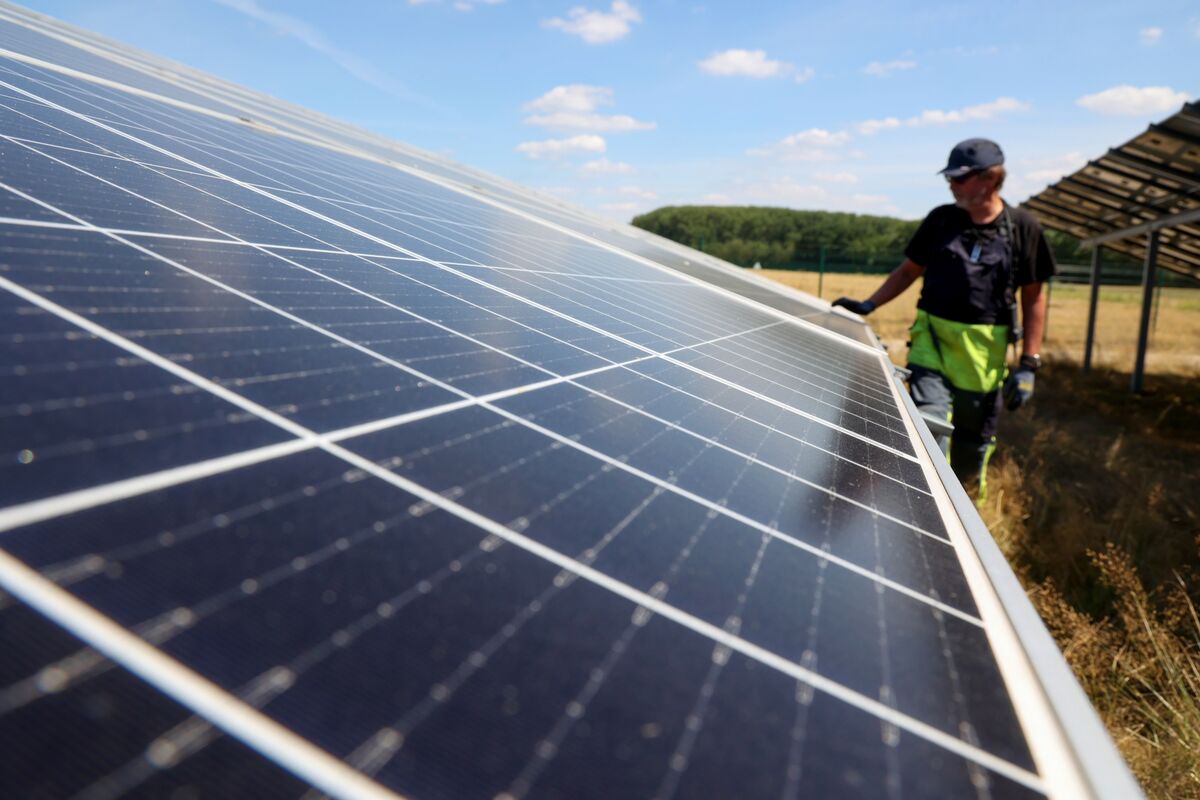
Germany curtailed a record 8% of solar and 5.3% of wind power in the first half of the year, more than doubling the previous year's solar curtailment, due to persistent grid constraints and insufficient battery storage. This significant curtailment highlights critical infrastructure bottlenecks preventing the full utilization of new renewable capacity and poses a material challenge to Germany's energy transition objectives.
Germany's energy transition is facing a significant structural bottleneck, as evidenced by record curtailment of renewable power in the first half of the year. The deliberate reduction of 8% of solar energy, a rate more than double the previous year, and 5.3% of wind power, underscores a critical mismatch between generation capacity growth and grid infrastructure capabilities. This inefficiency stems directly from inadequate grid transmission capacity and insufficient battery storage solutions, preventing the network from absorbing the full output of new renewable assets. The situation highlights that simply adding generation capacity is insufficient for decarbonization; the primary challenge has shifted to infrastructure modernization. This represents a material headwind for the profitability of renewable energy producers and a direct challenge to Germany's climate policy objectives, signaling an urgent need for massive investment in grid and storage solutions.
AI-powered research, real-time alerts, and portfolio analytics for institutional investors.
Request DemoOverall Sentiment
strongly negative
Sentiment Score
-0.65
