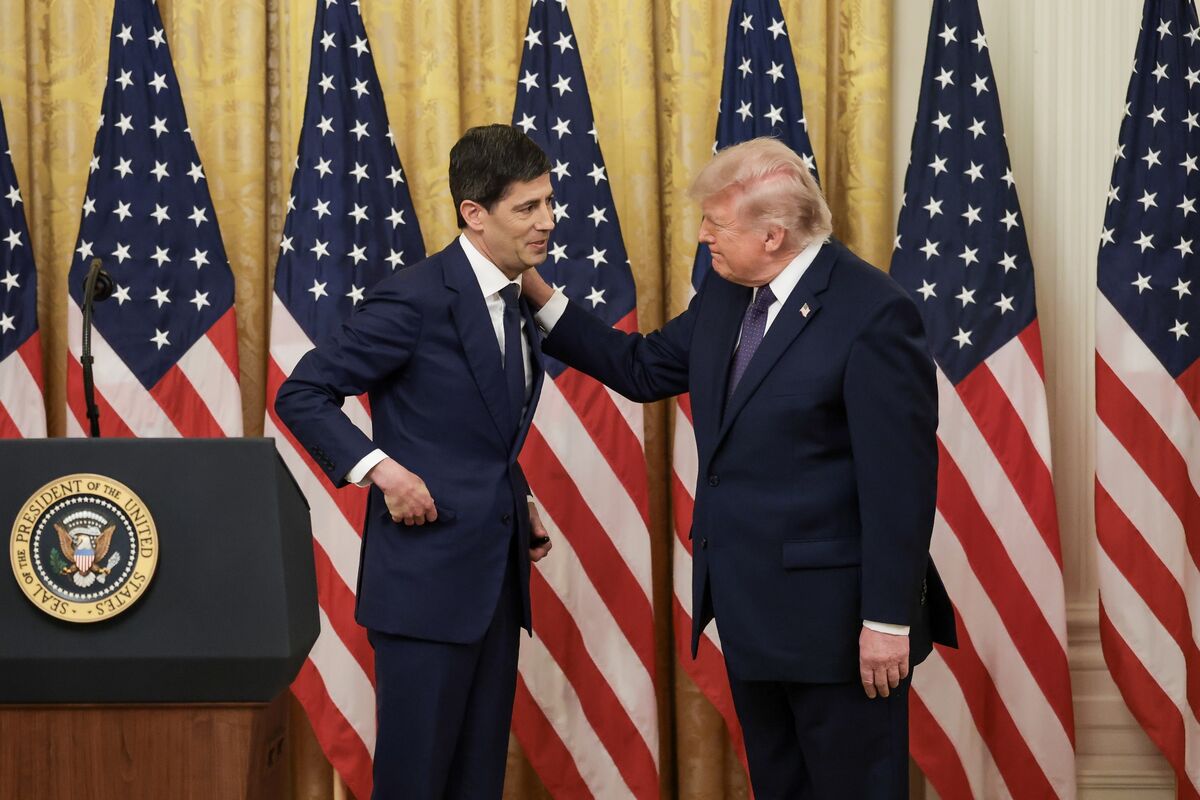
Markets are pricing a December Fed rate hike, forcing new Chair Kevin Warsh to backtrack on at least one campaign promise after signaling lower rates and less forward guidance. The article highlights a hawkish shift driven by higher energy prices from the US-Israeli conflict with Iran, with inflation already running well above the Fed's 2% target and likely to rise further when May data is released.
The key market implication is not just “higher for longer,” but a forced repricing of the policy path from easing optionality to asymmetric tightening risk. That matters most at the front end: if markets continue to price a near-term hike, the bear-flattening impulse should support the dollar and pressure rate-sensitive equity factor exposures, especially long-duration growth, REITs, and unprofitable software that still trades on distant cash flows.
The second-order winner is the funding complex, not simply “energy.” Higher inflation expectations and a more hawkish policy drift usually widen credit spreads first in lower-quality cyclicals before default data deteriorates. That creates a window where BBB/BB refinancings become more expensive over the next 1-2 quarters, while cash-rich balance sheets and commodity producers with hard assets gain relative leverage; the relative trade is more attractive than outright duration shorts once the market has already moved.
Geopolitics is the swing factor because the energy shock can reverse faster than core inflation. If oil retraces, the market may quickly reprice away from a hike and back toward cuts, creating a sharp rally in duration and risk assets; until then, the path of least resistance is higher real yields and tighter financial conditions. The risk is that policymakers tighten into a demand slowdown, which would not show up in labor or earnings data for several weeks, making this a classic “macro lags the tape” setup.
The contrarian point is that hawkish futures pricing may be too linear: one more energy leg higher can already be in the data, but it does not guarantee a sustained inflation regime unless wage and shelter components re-accelerate. If those remain sticky but contained, the market could be over-hedged for a prolonged hiking cycle and vulnerable to a violent short-covering rally in Treasuries on any benign CPI print.
AI-powered research, real-time alerts, and portfolio analytics for institutional investors.
Request DemoOverall Sentiment
moderately negative
Sentiment Score
-0.25
