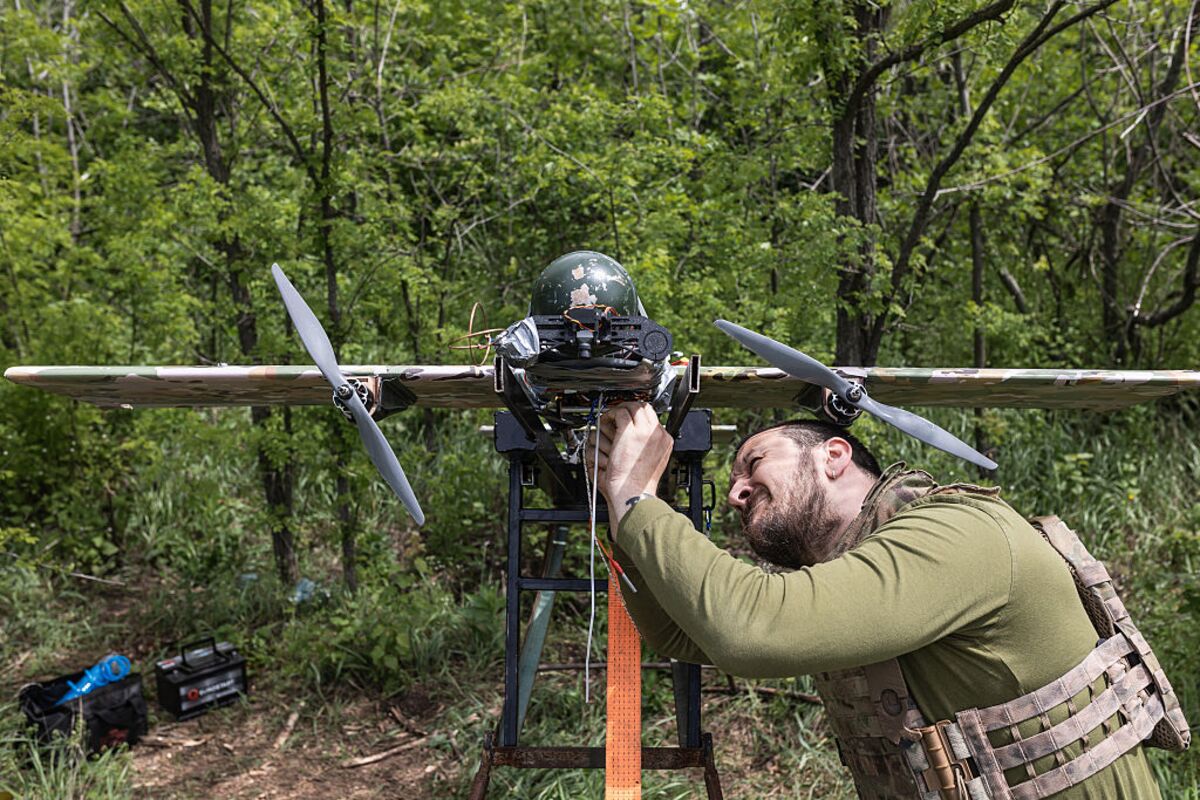
Ukraine and its allies are growing more confident that Russia’s invasion is losing momentum as Kyiv stabilizes the front line and disrupts Moscow’s spring offensive. The article cites heavier Russian troop losses from drone strikes, attacks deep inside Russia, and rising domestic criticism of Vladimir Putin, alongside economic slowdown and internet restrictions that are fueling war fatigue. The developments are supportive for Ukraine and potentially negative for Russia’s war effort, with broader geopolitical implications.
The first-order read is that Russia’s ability to force a near-term strategic breakthrough is degrading, but the more important market signal is erosion of war intensity rather than a clean path to peace. That distinction matters because conflict-duration trades often reprice on the perception of stalemate before they reprice on actual settlement; the next leg is likely a slower grind, not a sudden regime change. In that setup, defense procurement and ISR/drones remain structurally supported, while any assets tied to a fast normalization in regional risk premium are premature to chase.
Second-order, the pressure point is Russian domestic resilience, not just battlefield outcomes. Deep-strike disruptions, internet restrictions, and fatigue can raise the political cost of mobilization, which tends to push authoritarian systems toward more asymmetric escalation before they concede. That means tail risk is not a benign de-escalation path but a spike in sabotage, cyber activity, or coercive attacks on logistics and energy infrastructure over the next 1-3 months if Moscow tries to restore deterrence.
The contrarian miss is that fading offensive momentum does not automatically translate into a durable ceiling for escalation across Europe. If the Kremlin concludes it cannot win conventionally, it may shift toward lower-cost pressure campaigns that are harder to price into front-line narratives but more damaging for infrastructure, Baltic/Nordic risk premia, and European political cohesion. The market may be underestimating how long this can stay asymmetric: less battlefield progress can coexist with more disruption off the battlefield.
For investors, the opportunity is in owning the picks-and-shovels of a prolonged drone/counter-drone and air-defense cycle while avoiding overexposure to a quick peace trade. The best risk/reward likely sits in names with recurring upgrades, munitions replenishment, and electronics content rather than headline-heavy primes that depend on platform-cycle timing. Any short-volatility expression around Europe should be tightly hedged; geopolitical calm can persist for weeks, but repricing tends to happen abruptly when escalation risk reappears.
AI-powered research, real-time alerts, and portfolio analytics for institutional investors.
Request DemoOverall Sentiment
mildly positive
Sentiment Score
0.20
