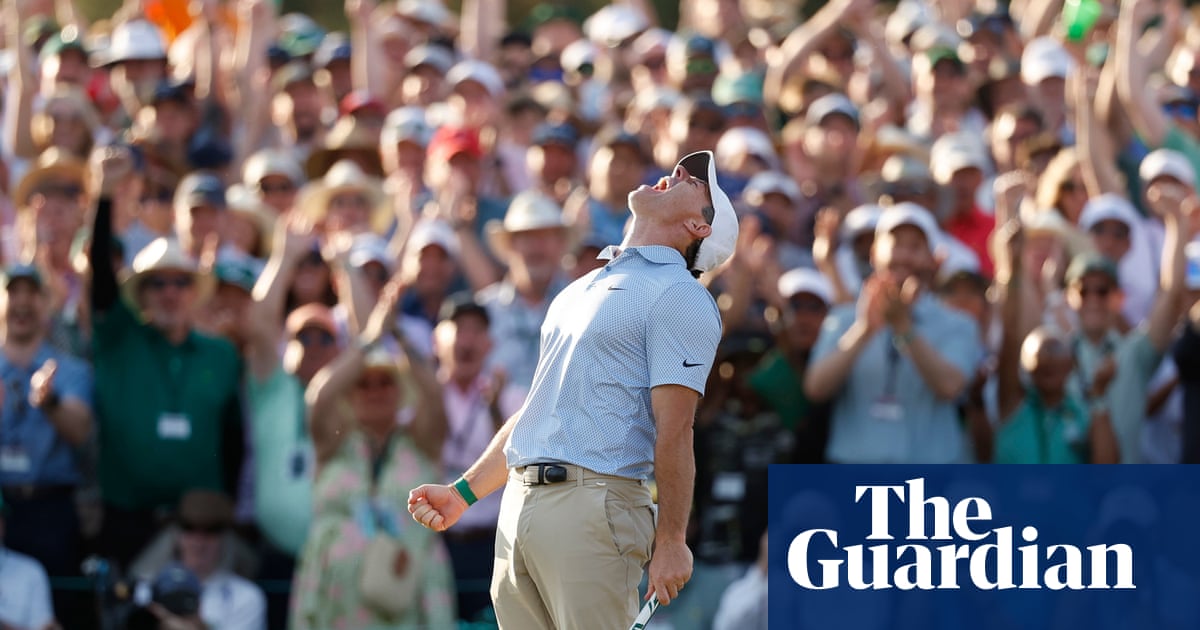
Rory McIlroy won the 2025 Masters by 1 stroke at 12 under par after a 71, becoming only the sixth golfer to complete a career grand slam and the fourth to successfully defend the Masters. Scottie Scheffler finished runner-up, while Justin Rose, Tyrrell Hatton, Russell Henley and Cameron Young tied for third at 10 under. The piece is primarily a sports recap with no direct market-moving implications.
This is a sentiment event more than a sports event: the incremental value sits in the monetization of elite persistence and in the halo it creates around Augusta-related media, hospitality, and premium-brand sponsorship ecosystems. A repeat champion with a “redemption” arc extends the lifecycle of the tournament into a year-round content asset, which tends to support advertising demand, hospitality pricing, and premium engagement metrics for event-adjacent rights holders over the next 1-2 quarters.
The second-order effect is on positioning in golf’s ecosystem. When the market gets another high-drama, high-awareness result, it usually lifts the ceiling on casual interest, but the biggest beneficiaries are the platforms that can package scarcity: live sports, betting-adjacent engagement, and luxury/travel inventory tied to destination golf. The risk is that the narrative overstates structural demand; golf fandom spikes after iconic moments, then reverts quickly unless converted into measurable participation, membership, or media retention over the next 1-2 event cycles.
Contrarianly, the move may be underpricing concentration risk: one superstar’s dominance can widen the gap between top-tier and mid-tier attention, which is good for premium rights, but not automatically good for the broader golf economy. If there’s any tradable angle, it is in names where Augusta-like inventory can support pricing power and incremental spending, rather than in generic leisure exposure where the revenue lift may be too diffuse to model cleanly.
The key reversal catalyst is weathering the post-event fade: if broadcast ratings, app engagement, or travel bookings do not show follow-through within 30-60 days, the sentiment premium should be faded. A second catalyst is the next major; if the same player remains in contention, the narrative compounds, but if he misses a cut or underperforms, the halo unwinds faster than the market will anticipate.
AI-powered research, real-time alerts, and portfolio analytics for institutional investors.
Request DemoOverall Sentiment
moderately positive
Sentiment Score
0.40
